
How Modern Businesses Can Improve Lead Management and Sales Follow-Ups
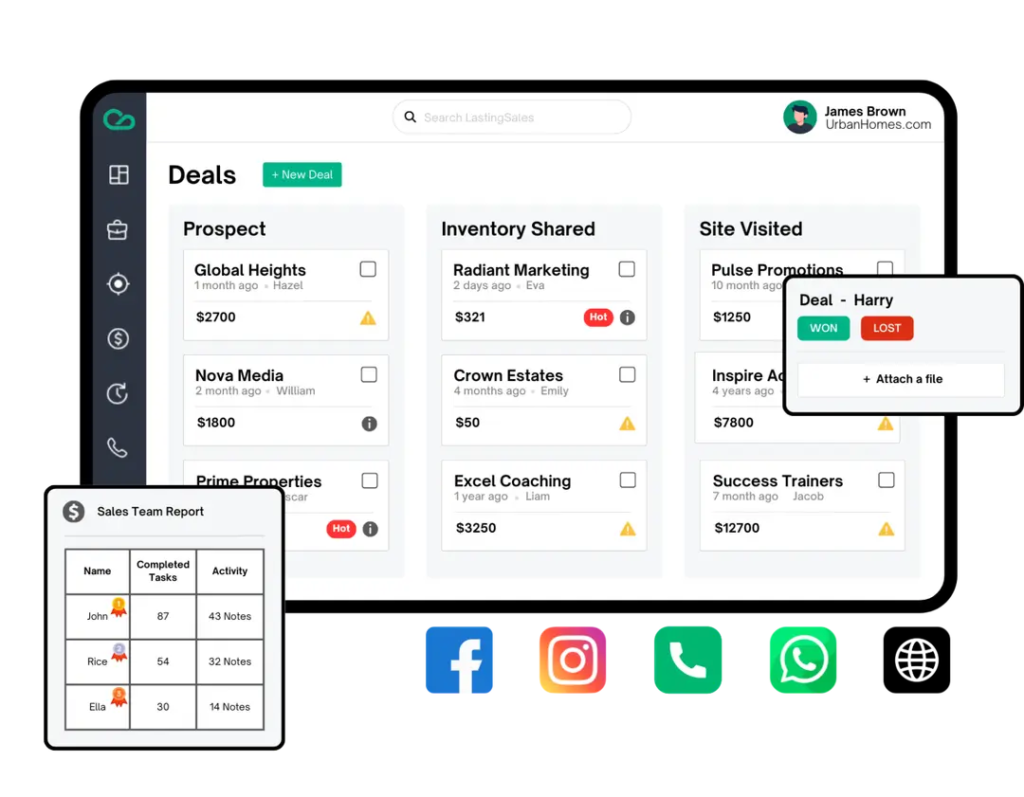
Lead management software has become an important tool for businesses that receive customer inquiries from multiple channels. Instead of managing leads through spreadsheets, emails, and separate messaging platforms, businesses can use a centralized CRM system to organize prospects, assign leads to sales representatives, track follow-ups, and monitor sales opportunities.
Why Lead Management Matters
Managing leads efficiently can have a direct impact on the sales process. When inquiries are not organized properly, sales teams may miss important follow-ups or respond too late. A centralized system allows businesses to keep customer information, conversations, notes, and sales activities together.
Modern CRM platforms can also help businesses consolidate leads from sources such as Facebook Ads, websites, WhatsApp, and other channels. This gives sales teams a clearer view of their prospects and makes it easier to prioritize opportunities.
Organizing Leads Through Sales Pipelines
A well-structured sales pipeline helps teams understand where each prospect is in the buying journey. Businesses can create different stages based on their sales process and move leads from initial inquiry to qualification, negotiation, and closing.
Sales pipelines also make it easier for managers to monitor team performance and identify opportunities that need attention. Follow-up reminders and notes can help sales representatives maintain consistent communication with potential customers.
The Role of a Mobile CRM App
A mobile CRM app gives sales teams access to important customer and lead information while they are away from their desks. Sales representatives can receive new lead notifications, respond to prospects, assign leads, and manage follow-up activities directly from their mobile devices.
For businesses with salespeople working remotely or meeting customers in different locations, mobile access can make everyday sales management more convenient. LastingSales provides mobile notifications, instant lead alerts, WhatsApp responses, lead assignment, and follow-up reminders to help sales teams stay connected with new opportunities.
Automating Lead Qualification
Automation can further improve the way businesses handle incoming inquiries. AI-powered tools can respond to new prospects, ask qualification questions, and identify leads that require attention from the sales team.
LastingSales uses Leadly, its AI Sales Agent, to engage new leads through channels such as WhatsApp. Leadly can ask predefined qualification questions, score leads, assign them according to business rules, and notify salespeople when a lead is ready for further action.
Better Follow-Ups and Team Collaboration
Consistent follow-ups are essential for converting interested prospects into customers. CRM systems can help salespeople create reminders, add notes, track interactions, and monitor deal progress.
Team members can also share lead information and assign opportunities to the appropriate salesperson. This reduces manual coordination and helps businesses maintain a more organized sales process.
Conclusion
Effective lead management requires more than simply collecting customer inquiries. Businesses need a structured system that combines lead capture, qualification, sales pipelines, follow-ups, team collaboration, and mobile access.
With centralized CRM features and AI-powered lead engagement, businesses can create a more organized workflow for managing prospects and sales opportunities. Solutions such as LastingSales help service-based businesses bring these activities together in one platform, making it easier for sales teams to manage leads and stay responsive throughout the customer journey.

