
Double chin removal in Dubai: Choosing a Surgeon
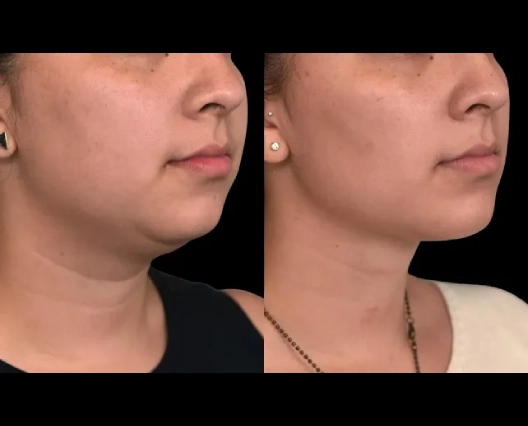
A well-defined jawline and balanced facial profile are important aspects of facial aesthetics. However, many individuals experience excess fullness beneath the chin, commonly known as a double chin. This concern can affect people of different ages and body types, including those who maintain a healthy weight and follow an active lifestyle.
A double chin can develop because of several factors, including genetics, aging, localized fat accumulation, loose skin, and natural facial structure. Although weight gain can contribute to this condition, it is not always the primary cause. Some individuals naturally have more prominent fat deposits beneath their chin because of hereditary characteristics.
Modern cosmetic procedures offer different approaches to improving the appearance of the chin, jawline, and neck. Depending on the underlying cause, treatment options may include surgical fat removal, injectable treatments, and non-surgical skin-tightening procedures.
Dubai has become a popular destination for cosmetic treatments, providing access to modern medical facilities and experienced aesthetic specialists. However, choosing the right surgeon is one of the most important decisions before undergoing any cosmetic procedure.
The surgeon’s qualifications, experience, understanding of facial anatomy, and approach to patient safety can influence the treatment experience and potential results.
This guide explains how to choose a suitable surgeon for double chin removal in Dubai, what qualifications to verify, which questions to ask, and how to evaluate treatment options, costs, and recovery.
Understanding Double Chin Removal in Dubai Before Selecting a Surgeon
Double chin removal in dubai refers to cosmetic treatments designed to reduce fullness beneath the chin and improve the definition of the lower face and neck. Depending on individual anatomy, treatment may involve removing localized fat, reducing fat deposits through non-surgical techniques, or addressing loose skin.
The main objective is to create a more defined transition between the chin, jawline, and neck.
Selecting a surgeon should begin with understanding the procedure and identifying the actual cause of the double chin. A treatment suitable for someone with localized fat may not be appropriate for someone whose primary concern is loose skin or a recessed chin.
What Causes a Double Chin?
Several factors can contribute to fullness beneath the chin.
- Genetics and Hereditary Factors
Genetics influence facial structure, fat distribution, and skin characteristics. Some individuals naturally develop more prominent fat deposits beneath the chin even when their body weight is within a healthy range.
- Weight Gain
Excess body weight can contribute to fat accumulation in different areas, including beneath the chin. However, weight loss does not always eliminate localized submental fullness.
- Aging and Skin Elasticity
As people age, collagen production and skin elasticity gradually decrease. This can cause the skin beneath the chin and around the neck to become looser.
- Natural Chin Structure
A smaller or recessed chin may make the area beneath it appear more prominent. In these situations, fat removal alone may not address the underlying concern.
- Localized Fat Accumulation
Some individuals naturally store more fat in the submental area independently of their overall body weight.
A qualified surgeon should evaluate these factors before recommending treatment.
Why Choosing the Right Plastic Surgeon in Dubai Matters
Best Plastic Surgeon in Dubai is an important consideration when researching cosmetic treatments for a double chin. Selecting an appropriately qualified and experienced surgeon is essential because treatment planning requires a detailed understanding of facial anatomy, fat distribution, skin elasticity, and neck structure.
The surgeon should focus on identifying the underlying cause and recommending an appropriate treatment rather than suggesting the same procedure to every patient.
1. Professional Knowledge of Facial Anatomy
The chin, jawline, neck, muscles, skin, and underlying fat compartments work together to create the facial profile.
A surgeon should understand how these structures influence appearance and how treatment may affect the surrounding tissues.
This knowledge is particularly important when removing localized fat because excessive removal may create uneven contours or an unnatural appearance.
2. Experience With Facial and Neck Contouring
Experience with facial cosmetic procedures is an important consideration.
Patients should ask specifically about the surgeon’s experience with submental liposuction, neck contouring, and other treatments relevant to their concerns.
Relevant experience helps patients understand the surgeon’s approach to treatment planning and managing potential complications.
3. Ability to Recommend Appropriate Alternatives
A responsible surgeon should explain when double chin removal may not be the most suitable option.
For example, someone with significant skin laxity may require skin-tightening or surgical lifting rather than fat removal alone.
The willingness to discuss alternatives is an important part of responsible medical care.
4. Patient Safety and Follow-Up Care
Surgical facilities, anesthesia arrangements, infection-control practices, and postoperative monitoring are essential.
Patients should understand who will provide follow-up care and how unexpected postoperative concerns will be managed.
How to Verify a Surgeon’s Qualifications and Professional Credentials
Before selecting a surgeon, patients should independently verify their professional qualifications and licensing.
Check Medical Qualifications
Review the surgeon’s medical education, relevant specialist qualifications, and professional registration.
Patients should also confirm that the professional holds the appropriate UAE healthcare licence to perform the proposed procedure.
Confirm Relevant Specialist Experience
Not every medical professional has the same training or experience in cosmetic surgery.
Ask whether the surgeon is appropriately qualified for the specific procedure being considered and how frequently they perform similar treatments.
Evaluate the Surgical Facility
If the treatment involves surgery, patients should understand where the procedure will take place and whether the facility has appropriate operating and emergency arrangements.
Important considerations include:
- Appropriate surgical facilities.
- Sterile equipment and infection-control procedures.
- Qualified anesthesia professionals, where required.
- Emergency medical arrangements.
- Postoperative monitoring.
- Clear follow-up instructions.
A professional clinic should be willing to explain its medical arrangements.
Reviewing Before-and-After Results and Patient Experiences
Before-and-after photographs can help patients understand a surgeon’s aesthetic approach. However, they should be evaluated carefully.
Look for Similar Facial Structures
Choose examples involving patients with concerns similar to yours.
For example, someone with localized fat and good skin elasticity may have different treatment requirements from someone with loose skin and a recessed chin.
Evaluate Natural-Looking Outcomes
The objective should be a balanced facial profile rather than an excessively sharp or unnatural jawline.
Look for results that appear proportionate to the patient’s overall facial structure.
Understand the Limitations of Patient Reviews
Online reviews may provide information about communication, clinic organization, waiting times, and patient support.
However, reviews cannot independently establish surgical competence or guarantee a particular outcome.
Consider feedback from multiple sources and prioritize verifiable professional information.
What Questions Should You Ask During Your First Consultation?
The consultation is an important opportunity to evaluate the surgeon’s approach and determine whether the recommended procedure is appropriate.
1. Am I a Suitable Candidate?
Ask whether your double chin is primarily caused by excess fat, loose skin, or natural facial structure.
2. Which Treatment Would You Recommend?
Ask why a particular procedure is appropriate for your anatomy and whether non-surgical alternatives are available.
3. What Results Can I Realistically Expect?
The surgeon should explain the expected improvement and the limitations of treatment.
4. What Are the Possible Complications?
Discuss infection, bleeding, asymmetry, changes in sensation, skin irregularities, and other procedure-specific risks.
5. What Type of Anesthesia Will Be Used?
Understand the anesthesia arrangements and any medical preparation required.
6. How Long Will Recovery Take?
Ask about swelling, bruising, activity restrictions, compression garments, and returning to normal routines.
7. What Happens if I Am Not Satisfied With the Results?
Discuss possible corrective options and understand that revision procedures may have limitations.
Patients should receive clear answers before making a decision.
Understanding Different Double Chin Removal Techniques
A surgeon’s ability to select an appropriate treatment is just as important as their surgical experience.
1. Submental Liposuction
Submental liposuction is a surgical procedure used to remove localized fat beneath the chin.
The surgeon makes small incisions and uses a thin cannula to remove selected fat deposits.
It may be suitable for individuals with localized fat and sufficient skin elasticity.
Potential benefits include:
- Reduced localized fat.
- Improved jawline definition.
- More refined chin and neck contours.
- Long-lasting reduction in treated fat deposits.
However, liposuction does not directly correct significant skin laxity.
2. Injectable Fat-Reduction Treatments
Certain injectable treatments are designed to reduce fat beneath the chin.
Depending on the product and treatment plan, multiple sessions may be required.
Temporary swelling, bruising, tenderness, and discomfort can occur. Some treatments also carry important risks, including nerve injury and swallowing difficulties.
These procedures should only be performed by appropriately qualified medical professionals.
3. Radiofrequency Skin Tightening
Radiofrequency treatments use controlled energy to heat tissue and encourage skin tightening.
They may be considered for individuals with mild skin laxity beneath the chin.
The results depend on the technology, treatment settings, and individual skin condition.
4. Ultrasound-Based Treatments
Some ultrasound-based technologies deliver focused energy to deeper tissue layers.
They may help improve mild skin laxity in selected patients. However, results vary and these treatments generally cannot replace surgery for significant excess skin.
5. Chin Augmentation
A recessed or smaller chin may contribute to the appearance of a double chin.
In these situations, chin augmentation may be considered as an alternative or complementary treatment to improve facial proportions.
A professional examination is necessary to determine whether structural correction is appropriate.
Understanding the Cost of Double Chin Removal in Dubai
The overall cost of treatment can vary depending on the surgeon’s qualifications, clinic facilities, selected procedure, anesthesia requirements, and individual treatment needs.
Factors That Influence Treatment Expenses
Surgeon’s Qualifications and Experience
Professional qualifications, specialist experience, and treatment complexity may influence the professional fee.
Type of Procedure
Surgical liposuction, injectable treatments, and energy-based procedures have different equipment, staffing, and medical requirements.
Clinic and Operating Facilities
The quality of medical infrastructure, operating facilities, and patient care arrangements can influence the total expense.
Anesthesia Requirements
Surgical treatments may involve additional anesthesia and operating facility charges.
Postoperative Care
Follow-up appointments, prescribed medications, and recovery monitoring should also be considered.
What Should a Treatment Quotation Include?
Before confirming treatment, patients should ask whether the quotation covers:
- Initial consultation.
- Professional treatment fees.
- Anesthesia, if required.
- Operating facility expenses.
- Preoperative medical investigations.
- Postoperative appointments.
- Prescribed medications.
- Additional treatment sessions, where applicable.
A detailed written quotation helps patients understand the complete financial commitment.
Recovery and Aftercare: What Should Patients Expect?
Recovery depends on the treatment method and the individual’s healing response.
First Few Days
After surgical liposuction, swelling, bruising, tenderness, and temporary discomfort may occur.
Patients may be advised to wear a compression garment if recommended by their surgeon.
First One to Two Weeks
Swelling and bruising generally begin to improve, although individual recovery varies.
Patients should follow medical instructions and avoid strenuous activities until cleared by their treating professional.
Following Several Weeks
As swelling continues to settle, the treated area may gradually appear more defined.
The timing of visible improvement depends on the procedure and individual healing.
Long-Term Results
Surgical fat removal can provide long-lasting reduction in treated fat deposits. However, aging, weight changes, and natural changes in skin elasticity can influence facial appearance over time.
Regular follow-up appointments help the surgeon monitor healing and evaluate results.
Understanding the Risks Before Choosing a Surgeon
Every cosmetic procedure carries potential risks. Patients should understand these before making a decision.
Possible complications of surgical double chin removal include:
- Swelling and bruising.
- Bleeding or infection.
- Changes in skin sensation.
- Skin irregularities or uneven contours.
- Fluid accumulation.
- Anesthesia-related complications.
- Unsatisfactory cosmetic results.
Non-surgical treatments also have procedure-specific risks.
For example, injectable fat-reduction treatments may cause significant swelling and can rarely result in nerve injury or swallowing difficulties.
A responsible surgeon should explain these risks, discuss alternatives, and obtain informed consent before treatment.
Why Selecting the Right Cosmetic Clinic in Dubai Matters
Selecting a clinic involves more than comparing advertisements, treatment prices, or location. Patients should evaluate professional qualifications, medical standards, communication, and postoperative support.
When researching Best doctors in dubai, patients should focus on verifiable qualifications, appropriate licensing, and relevant experience.
A clinic providing Double chin removal Dubai treatments should offer a proper assessment before recommending surgical or non-surgical procedures.
Individuals researching a double chin removal in dubai provider should also consider medical facilities, available treatment options, and follow-up arrangements.
For those exploring cosmetic services at Perfect Doctors Clinic, reviewing available treatment information and discussing individual concerns during a consultation may help clarify suitable options.
Patients searching for the best double chin removal surgeons in dubai should verify relevant specialist credentials, experience with chin and neck contouring, and their approach to patient safety.
Similarly, when researching the best double chin removal surgeon in dubai, it is important to evaluate individual qualifications rather than relying only on online rankings or promotional statements.
Online searches may also include references such as dr perfect celebrity. Celebrity associations and marketing claims should never replace independent verification of medical credentials, licensing, and relevant clinical experience.
Ultimately, the right clinic should prioritize patient suitability, informed consent, realistic expectations, and safe treatment practices.
Frequently Asked Questions (FAQs)
1. Why Is Choosing the Right Surgeon Important for Double Chin Removal?
The procedure involves facial structures and requires careful treatment planning. A qualified surgeon can identify the underlying cause, recommend an appropriate technique, and explain potential complications.
2. What Qualifications Should a Double Chin Removal Surgeon Have?
Patients should verify appropriate medical and specialist qualifications, professional registration, and licensing to perform the proposed procedure in Dubai.
3. How Can I Check a Surgeon’s Experience?
Ask about specific experience with submental liposuction, chin contouring, and neck procedures. You can also review relevant before-and-after photographs and discuss previous treatment approaches.
4. Is the Cheapest Treatment Package the Best Option?
Not necessarily. Patients should compare the complete treatment package, including professional fees, anesthesia, facilities, and postoperative care.
5. How Long Does Double Chin Removal Surgery Take?
The duration depends on the treatment method. Submental liposuction commonly takes around one to two hours, although the actual time varies.
6. Can a Double Chin Be Removed Without Surgery?
Yes. Certain injectable and energy-based treatments may help selected patients. Their suitability depends on the amount of fat, skin elasticity, and individual medical circumstances.
7. How Long Does Recovery Take?
Recovery varies according to the procedure. Surgical treatments generally involve more downtime than non-surgical options. Swelling may take several weeks or longer to resolve fully.
8. Will Double Chin Removal Improve My Jawline?
Reducing localized fullness beneath the chin may improve jawline definition in suitable patients. The outcome also depends on chin projection, skin elasticity, and facial anatomy.
9. Can Double Chin Removal Make My Skin Loose?
If significant excess skin is already present, removing fat alone may not provide satisfactory results. A surgeon should assess skin elasticity before recommending treatment.
10. What Should I Do Before Confirming Surgery?
Verify professional credentials, arrange a detailed consultation, discuss possible complications, understand the total cost, and ensure your expectations are realistic.
Conclusion
Choosing a surgeon for double chin removal requires careful research and consideration. Although different cosmetic procedures may help reduce fullness beneath the chin and improve jawline definition, the appropriate treatment depends on individual anatomy, skin elasticity, and medical suitability.
Patients should verify professional qualifications, evaluate relevant experience, review previous results, and discuss potential complications before making a decision.
Treatment cost is another consideration, but it should never outweigh professional expertise, medical standards, and patient safety.
An individualized treatment plan is essential because the same procedure does not produce identical results for everyone.
Final Thoughts
The right surgeon should understand that successful double chin treatment is not simply about removing fat. It is about improving facial definition while preserving natural proportions and considering how the face may change with age.
Before choosing a clinic or scheduling treatment in Dubai, take time to research your options, verify professional credentials, and arrange a detailed consultation.
Discuss your expectations openly and ask about the advantages, limitations, risks, and long-term results of the recommended procedure.
A well-informed decision, realistic expectations, and an individualized treatment plan can help you approach cosmetic treatment with greater confidence.
