
Buccal Fat Removal in Dubai: Choosing a Surgeon
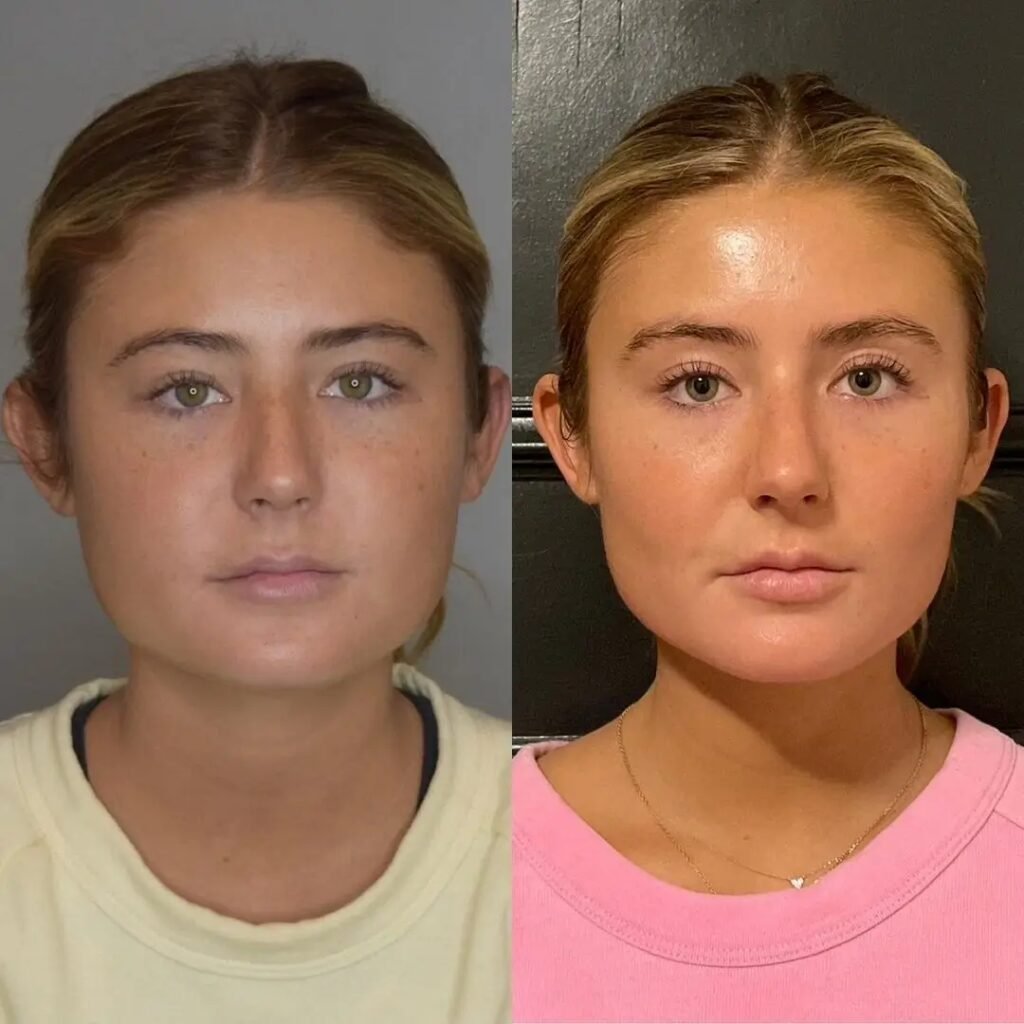
Choosing the right surgeon is one of the most important decisions when considering cosmetic facial surgery. While buccal fat removal has become a popular option for people seeking slimmer cheeks and more defined facial contours, the quality of treatment planning and surgical expertise can significantly influence the outcome.
Buccal fat removal is a cosmetic procedure that involves reducing selected fat pads located deep within the cheeks. It is generally considered by individuals who have naturally fuller cheeks and want a more sculpted facial appearance. However, achieving natural-looking results requires more than simply removing fat. A surgeon must understand facial anatomy, evaluate existing facial volume, and consider how the face may change with age.
Dubai offers access to a wide range of cosmetic surgery services, modern healthcare facilities, and medical professionals with different areas of expertise. With so many options available, patients may find it difficult to decide which surgeon is appropriate for their needs.
Before scheduling surgery, it is important to examine professional qualifications, relevant experience, surgical techniques, patient safety standards, and communication during consultations.
This guide explains how to choose a suitable surgeon for buccal fat removal, what questions to ask, how to evaluate treatment costs, and which factors should influence your final decision.
Understanding Buccal Fat Removal in Dubai Before Selecting a Surgeon
Buccal fat removal in dubai is a cosmetic surgical procedure designed to reduce fullness in the lower cheek area by removing an appropriate amount of buccal fat. These naturally occurring fat pads are located deep within the cheeks and contribute to the overall shape of the face.
The procedure is generally performed through small incisions inside the mouth. The surgeon accesses the buccal fat pads, carefully removes selected fat tissue, and closes the incisions with appropriate sutures.
Because the procedure involves delicate facial structures, selecting an experienced and appropriately qualified surgeon is essential.
What Makes Buccal Fat Removal Different From Other Facial Procedures?
Unlike treatments that add volume or address skin laxity, buccal fat removal specifically targets fat compartments within the cheeks.
Dermal fillers, for example, add volume to selected facial areas, while masseter Botox addresses muscle size. Buccal fat removal changes the volume of the lower cheek by surgically removing part of the fat pad.
This distinction is important because not every person with round cheeks needs buccal fat removal. Facial fullness can also result from genetics, bone structure, enlarged muscles, or overall facial fat distribution.
A suitable surgeon should identify the actual cause of facial fullness before recommending treatment.
Why Does Surgical Experience Matter?
The buccal fat pads are located near important facial structures, including the facial nerve branches and parotid duct. Surgical planning therefore requires a detailed understanding of facial anatomy.
Removing too much fat can create excessive hollowing and may affect the natural balance of the face. A surgeon should focus on conservative treatment and facial harmony rather than removing the maximum possible amount of fat.
Why Choosing the Right Plastic Surgeon Matters
The surgeon you select can influence several aspects of your treatment experience, including surgical planning, patient safety, recovery guidance, and the final aesthetic outcome.
1. Facial Anatomy and Surgical Knowledge
A qualified surgeon should understand the relationship between buccal fat pads, facial muscles, surrounding tissues, and other anatomical structures.
This knowledge helps determine whether the procedure is appropriate and how much fat can reasonably be removed.
2. Natural-Looking Results
The objective of facial contouring should be to improve existing features without making the face appear excessively hollow.
A surgeon should consider the patient’s age, facial proportions, existing cheek volume, and long-term appearance.
3. Individualized Treatment Planning
Every patient has different facial characteristics. A treatment approach that works for one person may not be appropriate for another.
The surgeon should evaluate individual anatomy rather than recommending the same surgical technique or fat removal amount to everyone.
4. Patient Safety and Postoperative Support
The quality of care extends beyond the operation itself. Proper medical assessment, appropriate anesthesia arrangements, sterile surgical facilities, and postoperative monitoring are all important.
Patients should understand who will provide follow-up care and whom to contact if unexpected symptoms develop.
Evaluating the Best Plastic Surgeon in Dubai Through Professional Qualifications
Best Plastic Surgeon in Dubai is an important search consideration for people researching facial cosmetic surgery. However, patients should evaluate surgeons based on verifiable professional qualifications, relevant experience, and appropriate licensing rather than relying only on online rankings or promotional claims.
Check Medical Qualifications and Specialist Registration
Start by verifying the surgeon’s medical education, specialist qualifications, and professional registration.
Patients should also confirm that the surgeon holds the appropriate Dubai Health Authority or other relevant UAE healthcare licence for their practice.
These checks help establish whether the professional is authorized and appropriately qualified to provide the proposed treatment.
Ask About Experience With Facial Cosmetic Surgery
General surgical experience does not automatically mean a surgeon has extensive experience with every facial procedure.
Ask specifically about experience with buccal fat removal and other facial contouring treatments.
Useful questions include:
- How frequently do you perform this procedure?
- What factors determine whether a patient is suitable?
- How do you decide how much fat to remove?
- What complications do you discuss with patients?
- How do you approach patients with naturally thin faces?
Clear answers can help patients understand the surgeon’s approach and level of relevant experience.
Understand the Surgeon’s Treatment Philosophy
A responsible surgeon should prioritize facial balance and long-term appearance.
If a patient has naturally thin cheeks or existing facial volume loss, the surgeon should be willing to explain why buccal fat removal may not be appropriate.
The willingness to recommend against unnecessary surgery is an important part of responsible medical practice.
Understanding Buccal Fat Removal Cost in Dubai Before Making a Decision
Buccal fat removal Cost in dubai is another important consideration when selecting a surgeon. The total expense may vary depending on the surgeon’s qualifications, clinic facilities, anesthesia arrangements, and individual treatment requirements.
Patients should avoid choosing a provider based exclusively on the lowest advertised price. A complete treatment quotation should explain the services included and any additional expenses.
Factors That Influence the Overall Treatment Cost
- Surgeon’s Professional Experience
A surgeon’s specialist qualifications, relevant experience, and professional reputation may influence the treatment fee.
- Clinic and Operating Facilities
The clinic’s infrastructure, surgical equipment, operating environment, and patient care arrangements can affect the overall expense.
- Anesthesia Requirements
Depending on the treatment plan, surgery may be performed under local anesthesia, sometimes with sedation, or general anesthesia.
The selected anesthesia approach can influence the total quotation.
- Medical Assessment and Investigations
Some patients may require additional consultations, examinations, or laboratory investigations before surgery.
- Postoperative Care
Follow-up appointments, prescribed medication, and postoperative monitoring should also be considered when evaluating the total treatment cost.
Questions to Ask About the Treatment Quotation
Before confirming surgery, request a written breakdown explaining whether the quotation includes:
- Initial consultation.
- Surgeon’s professional fee.
- Anesthesia charges.
- Operating facility expenses.
- Preoperative medical investigations.
- Postoperative appointments.
- Prescribed medication.
- Additional charges, if required.
Comparing complete treatment packages provides a clearer understanding of the financial commitment.
How to Evaluate a Surgeon’s Previous Results and Patient Experience
Reviewing previous results can help patients understand a surgeon’s aesthetic approach. However, photographs and testimonials should be considered carefully.
Review Before-and-After Photographs
Look for photographs showing patients with facial structures similar to yours.
Pay attention to whether the results appear balanced and natural rather than excessively hollow.
Also consider whether photographs represent comparable lighting, camera angles, facial expressions, and stages of recovery.
Understand the Limitations of Patient Reviews
Online reviews may provide useful information about communication, clinic organization, waiting times, and patient support.
However, reviews cannot independently establish a surgeon’s technical competence or guarantee a particular surgical result.
Look for consistent feedback across different sources rather than relying on one highly positive or negative comment.
Ask About Complication Management
A useful consultation should explain how the surgeon handles potential complications and what postoperative support is available.
Patients should know whom to contact if they experience unusual swelling, persistent bleeding, increasing pain, or signs of infection.
Questions to Ask During Your First Surgical Consultation
A consultation is an opportunity to evaluate whether the surgeon understands your concerns and whether the proposed procedure is appropriate.
Consider asking the following questions:
- Am I a Suitable Candidate?
Ask whether your facial fullness is actually caused by prominent buccal fat pads or another anatomical feature.
- How Much Fat Should Be Removed?
The surgeon should explain the treatment approach and why conservative removal may be appropriate.
- What Results Can I Realistically Expect?
Ask how the procedure may change your facial contours and what limitations apply to your individual anatomy.
- What Are the Possible Complications?
Discuss infection, bleeding, asymmetry, nerve injury, injury to the parotid duct, and excessive facial hollowing.
- What Type of Anesthesia Will Be Used?
Understand the proposed anesthesia method and the associated medical arrangements.
- How Long Will Recovery Take?
Ask about expected swelling, dietary restrictions, oral hygiene, and returning to normal activities.
- What Happens if I Am Not Satisfied With the Results?
Discuss the available options and understand that correcting excessive fat removal can be challenging.
A professional consultation should provide clear explanations rather than pressure to schedule surgery immediately.
Understanding the Ideal Candidate for Buccal Fat Removal
Not everyone with round cheeks is an appropriate candidate. A surgeon must evaluate facial anatomy, medical history, existing cheek volume, and personal expectations.
Potential candidates generally include adults who:
- Have naturally prominent buccal fat pads.
- Maintain relatively stable body weight.
- Are in good general health.
- Have realistic expectations.
- Want a more defined lower-cheek appearance.
- Understand the permanent nature of fat removal.
Who Should Be Cautious About Surgery?
People with naturally narrow faces, limited facial volume, or existing signs of facial aging may not benefit from additional fat removal.
Younger adults should also consider that facial proportions and fat distribution can change naturally with age.
A surgeon may recommend delaying treatment or exploring alternative options when the potential for excessive hollowing is a concern.
Understanding the Surgical Process and Recovery
Knowing what happens during surgery and recovery can help patients prepare more confidently.
Before the Procedure
The surgeon reviews the patient’s medical history, medications, allergies, and previous procedures.
A facial examination helps determine whether buccal fat removal is appropriate. Depending on medical circumstances, additional tests may be recommended.
Patients should follow all instructions regarding food, medication, smoking, and anesthesia preparation.
During Surgery
The procedure generally involves the following steps:
- Administration of the selected anesthesia.
- Preparation of the treatment area.
- Small incisions inside the cheeks.
- Careful identification and removal of selected fat.
- Closure of the incisions using appropriate sutures.
The procedure commonly takes around 30 to 60 minutes, although the duration varies.
First Few Days After Surgery
Swelling, tenderness, and mild discomfort are common.
Patients may need to consume soft foods and follow specific oral hygiene instructions.
First Two to Three Weeks
Swelling generally improves gradually, although individual recovery varies.
Normal activities can be resumed according to the surgeon’s recommendations.
Final Results
Final facial contours may take several weeks or a few months to become apparent as swelling resolves and tissues settle.
Patients should avoid judging the outcome too early.
Understanding Risks Before Selecting a Surgeon
Like every surgical procedure, buccal fat removal carries potential complications.
These may include:
- Bleeding or hematoma.
- Persistent swelling.
- Changes in sensation.
- Injury to nearby facial structures.
- Unsatisfactory cosmetic outcomes.
- Excessive cheek hollowing.
One of the most important long-term considerations is excessive fat removal. Facial fat naturally contributes to youthful volume, and its loss may become more noticeable with aging.
A qualified surgeon should explain these risks and discuss whether the potential benefits justify undergoing surgery.
How to Identify a Reliable Cosmetic Clinic in Dubai
Selecting a clinic requires evaluating more than its website, location, or advertising.
When researching Best doctors in dubai, patients should focus on verifiable qualifications, appropriate professional licensing, relevant surgical experience, and transparent communication.
A reputable buccal fat removal clinic in dubai should provide individualized consultations, appropriate surgical facilities, and clear postoperative instructions.
For individuals exploring Buccal fat removal Dubai, reviewing treatment information at Perfect Doctors Clinic may help them understand the procedure and prepare questions for a medical consultation.
Patients researching Best buccal fat removal surgeons in Dubai should also examine professional credentials, experience with facial procedures, and the surgeon’s approach to preserving natural facial proportions.
Online searches may include promotional references such as dr perfect celebrity. However, celebrity associations or marketing claims should not replace independent verification of medical qualifications, licensing, and clinical experience.
Ultimately, the right clinic is one that prioritizes patient suitability, informed consent, realistic expectations, and safety.
Common Mistakes to Avoid When Choosing a Surgeon
Patients can make better decisions by avoiding several common mistakes.
Choosing Based Only on Price
The lowest quotation does not necessarily represent the best treatment option. Consider the surgeon’s qualifications, facilities, and complete care arrangements.
Following Cosmetic Trends Without Medical Advice
A procedure that is popular on social media may not be suitable for your facial structure.
Ignoring Long-Term Facial Changes
Removing facial fat can have implications as the face naturally ages. Discuss these considerations before proceeding.
Overlooking Postoperative Care
Recovery support is an important part of surgical treatment. Confirm that follow-up appointments and appropriate medical assistance are available.
Not Asking Enough Questions
Never feel uncomfortable asking about qualifications, surgical experience, possible complications, and treatment alternatives.
Frequently Asked Questions (FAQs)
1. Why Is Choosing the Right Surgeon Important for Buccal Fat Removal?
The procedure involves delicate facial structures and permanent fat removal. A qualified surgeon can assess facial anatomy, plan conservative treatment, and explain potential complications.
2. What Qualifications Should a Buccal Fat Removal Surgeon Have?
Patients should verify appropriate medical and specialist qualifications, professional registration, and licensing to perform the procedure in Dubai.
3. How Can I Check a Surgeon’s Experience?
Ask about specific experience with buccal fat removal, previous results, surgical techniques, and how the surgeon selects suitable candidates.
4. Is the Cheapest Treatment Package the Best Option?
Not necessarily. Patients should compare the complete treatment package, including professional fees, anesthesia, facilities, and postoperative care.
5. How Long Does Buccal Fat Removal Surgery Take?
The procedure commonly takes approximately 30 to 60 minutes, depending on the surgical approach and individual circumstances.
6. Will Buccal Fat Removal Leave Visible Scars?
The standard technique uses small incisions inside the mouth, so external facial scars are generally not expected.
7. How Long Does Recovery Take?
Initial recovery may take several days to a few weeks. Final facial contours may take several weeks or a few months to develop fully.
8. Can Buccal Fat Removal Make My Face Look Older?
Excessive fat removal can contribute to a hollow appearance and make facial aging more noticeable. Appropriate patient selection and conservative surgical planning are important.
9. Can I Choose a Surgeon Based on Before-and-After Pictures?
Photographs can help you understand a surgeon’s aesthetic approach, but they should not be the only selection criterion. Verify qualifications, experience, licensing, and patient safety standards.
10. What Should I Do Before Confirming Surgery?
Arrange a detailed consultation, verify professional credentials, discuss potential risks, understand the total treatment cost, and make sure your expectations are realistic.
Conclusion
Choosing a surgeon for buccal fat removal requires careful research and consideration. Although the procedure may help reduce lower-cheek fullness and create more defined facial contours, the outcome depends on appropriate patient selection, surgical planning, and an understanding of facial anatomy.
Patients should verify professional qualifications, evaluate relevant surgical experience, review previous results, and discuss potential complications before making a decision.
Treatment cost is another consideration, but it should never outweigh professional expertise, medical standards, and patient safety.
Final Thoughts
The right surgeon should understand that successful facial contouring is not simply about removing fat. It is about maintaining natural facial proportions while addressing an individual’s specific aesthetic concerns.
Before choosing a clinic or scheduling surgery in Dubai, take time to research your options, ask detailed questions, and obtain a professional assessment.
A well-informed decision, realistic expectations, and an individualized treatment plan can help you approach cosmetic surgery with greater confidence and a clearer understanding of the possible outcomes.
