
What Are Dermal Fillers and How Do They Work? | Hristin Beauty Academy
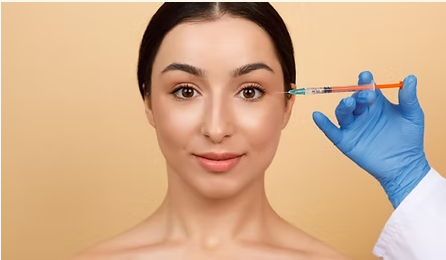
Dermal fillers are popular aesthetic treatments designed to restore facial volume, enhance natural features, and soften the appearance of certain lines and wrinkles. Many people explore these treatments to achieve a refreshed appearance without undergoing surgery. If you are researching Filler Treatment in East London, understanding how dermal fillers work, their potential benefits, and the importance of choosing a qualified practitioner can help you make an informed decision.
At Hristin Beauty Academy, individuals interested in aesthetic treatments can learn about different approaches to facial enhancement and the importance of personalised consultations. Understanding the treatment process and possible risks is an essential first step before considering any cosmetic procedure.
What Are Dermal Fillers?
Dermal fillers are injectable substances placed beneath the skin to add volume, improve facial contours, or soften certain facial lines. Many modern fillers contain hyaluronic acid, a substance naturally found in the body that helps the skin retain moisture and maintain its structure.
Depending on the product and treatment area, dermal fillers may be used to enhance the lips, define the cheeks, improve the appearance of selected facial folds, or create more balanced facial contours.
People searching for Dermal Fillers East London may have different aesthetic goals. Some want subtle lip enhancement, while others are interested in restoring volume or improving facial proportions. A professional consultation helps determine whether fillers are suitable for an individual’s needs.
How Do Dermal Fillers Work?
Dermal fillers work by adding volume beneath the skin in carefully selected areas. The precise technique and product depend on the treatment goal, facial anatomy, and the type of filler being considered.
Hyaluronic acid fillers attract and bind water, helping create a fuller appearance in the treated area. Results may be visible immediately, although temporary swelling or bruising can affect the initial appearance.
The treatment process generally involves:
- Consultation: A qualified practitioner discusses your goals, medical history, expectations, and suitability for treatment.
- Facial assessment: The practitioner evaluates your facial anatomy and identifies appropriate treatment options.
- Treatment planning: The product, placement, expected results, and potential risks are discussed before proceeding.
- Treatment: If suitable, the filler is administered using an appropriate technique by a qualified professional.
- Aftercare: You receive instructions on caring for the treated area and recognising possible complications.
Results and recovery vary according to the product, treatment area, individual characteristics, and practitioner technique.
What Areas Can Dermal Fillers Treat?
Dermal fillers may be used in several areas of the face, depending on the product and the practitioner’s assessment.
- Lips: To enhance lip volume, shape, or definition.
- Cheeks: To restore volume and improve facial contours.
- Nasolabial folds: To soften the appearance of lines running from the nose towards the corners of the mouth.
- Chin: To improve the appearance of chin projection or facial proportions.
- Selected facial folds: To address volume loss and certain lines where treatment is appropriate.
Not every area is suitable for every filler. Treatment around the nose, forehead, and eyes can carry particularly serious risks, so careful assessment and appropriate clinical expertise are essential.
What Are the Benefits of Dermal Fillers?
When appropriately selected and administered, dermal fillers can offer several aesthetic benefits.
Non-surgical facial enhancement: Fillers can improve selected facial features without requiring surgery.
Volume restoration: They may help address volume loss associated with ageing or natural facial structure.
Facial definition: Certain treatments can enhance the appearance of the lips, cheeks, and chin.
Customised treatment planning: Product selection and treatment amounts can be adjusted to suit individual anatomy and aesthetic goals.
Temporary results: Many hyaluronic acid fillers gradually break down over time. Duration varies by product and treatment area, and maintenance may be required.
However, fillers are medical procedures, not risk-free beauty treatments. Possible complications include bruising, swelling, infection, lumps, and, rarely, vascular occlusion that can cause tissue damage or vision loss.
How to Choose a Dermal Filler Practitioner in East London
When considering Filler Treatment in East London, choosing an appropriately qualified and experienced medical professional is essential. Check their relevant qualifications, registration where applicable, experience with the proposed treatment, and ability to manage complications.
Ask which product will be used, what results are realistic, what the risks are, and what emergency arrangements are available. You should never feel pressured to proceed.
Hristin Beauty Academy can be a starting point for exploring aesthetic treatment information and learning more about relevant services. Before booking, confirm the specific treatments offered, practitioner credentials, and consultation arrangements directly with the academy.
Frequently Asked Questions
1. How long do dermal fillers last?
The duration varies depending on the filler, treatment area, individual metabolism, and amount used. Some results last several months, while others may last longer. Your practitioner can explain what to expect from a specific product.
2. Are dermal fillers painful?
Some people experience mild discomfort during treatment. Certain products contain local anaesthetic, and additional numbing may be used when appropriate. Sensitivity varies between individuals.
3. Is there any downtime after filler treatment?
Swelling, redness, tenderness, and bruising can occur after treatment. These effects often improve over several days, although recovery varies. Follow your practitioner’s aftercare advice.
4. Are dermal fillers suitable for everyone?
No. Suitability depends on medical history, allergies, the treatment area, and other individual factors. A qualified practitioner should assess you before recommending treatment.
5. Where can I learn about Dermal Fillers in East London?
You can contact Hristin Beauty Academy to enquire about relevant aesthetic services, practitioner qualifications, and consultation options. Verify the available treatments directly before making an appointment.
Conclusion
Dermal fillers can help enhance facial features, restore selected areas of lost volume, and soften certain lines without surgery. However, results depend on the product, treatment area, individual anatomy, and practitioner’s expertise. Understanding the benefits, limitations, and potential risks is essential before making a decision.
If you are researching Filler Treatment in East London or Dermal Fillers East London, Hristin Beauty Academy can be a starting point for enquiries about relevant aesthetic services. Confirm the practitioner’s qualifications, discuss your goals during a consultation, and make an informed decision based on your individual needs and safety.

