
Upper Blepharoplasty in London: Understanding Different Surgical Techniques
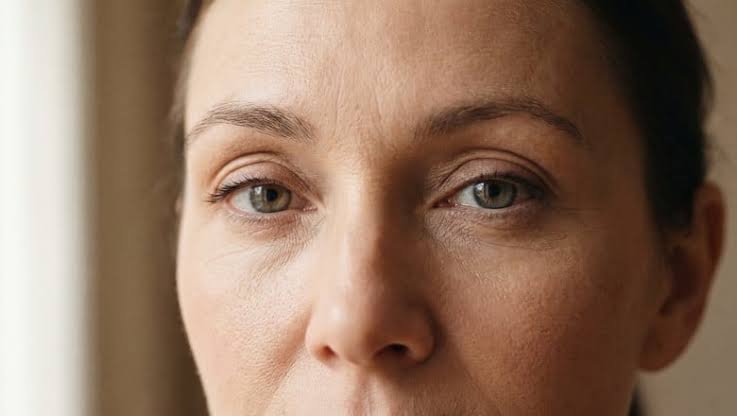
The eyes are one of the most noticeable features of the face. However, as people get older, the skin around the upper eyelids can gradually lose its elasticity. This may lead to loose skin, wrinkles, puffiness, and a tired appearance. For some people, excess upper eyelid skin can also make everyday activities, such as reading or driving, more difficult if it affects their field of vision.
Upper blepharoplasty is a surgical procedure designed to remove or reposition excess skin and, when appropriate, adjust underlying fat from the upper eyelids. It can help create a more refreshed appearance while maintaining the natural shape of the eyes.
People considering Upper Blepharoplasty in London often want to understand the different surgical techniques, how the procedure works, and which approach may be suitable for their needs. The right technique depends on several factors, including eyelid anatomy, skin condition, the amount of excess tissue, and individual expectations.
At Bodyvie Clinic, patients can discuss their concerns and explore suitable treatment options following a professional assessment. Understanding the available techniques can help patients make informed decisions before undergoing upper eyelid surgery.
What Is Upper Blepharoplasty in London and How Does the Procedure Work?
Upper blepharoplasty, also known as upper eyelid surgery, is a cosmetic or functional procedure that addresses excess skin and other age-related changes around the upper eyelids.
The procedure generally involves making an incision along the natural crease of the upper eyelid. Through this incision, the surgeon can remove excess skin and, when necessary, adjust or remove selected fat and tissue.
Why Do People Consider Upper Eyelid Surgery?
There are several reasons why people consider upper eyelid surgery.
- Loose or sagging upper eyelid skin.
- A tired or heavy-looking appearance around the eyes.
- Excess skin affecting the natural eyelid crease.
- Difficulty applying eye makeup because of loose skin.
- Reduced upper visual field caused by excess eyelid tissue.
- Changes in eyelid appearance associated with ageing.
Not every concern requires surgery. A professional assessment is important to identify the actual cause of the problem.
How Upper Blepharoplasty Improves Eyelid Appearance
The main aim of upper blepharoplasty is to address excess tissue while maintaining a natural eyelid shape.
The surgeon carefully assesses how much skin can be removed without affecting normal eyelid closure. The goal is to create a refreshed appearance rather than an overly tight or unnatural result.
At Bodyvie Clinic, patients can discuss their expectations and understand what improvements may be realistic for their individual eyelid anatomy.
Different Surgical Techniques Used for Upper Blepharoplasty in London
There is no single surgical technique that is suitable for everyone. The approach depends on the patient’s eyelid structure, skin condition, fat distribution, and medical requirements.
Traditional Upper Eyelid Surgery Technique
Traditional upper blepharoplasty involves making an incision along the natural crease of the upper eyelid.
Through this incision, the surgeon can remove carefully selected amounts of excess skin and, if required, adjust underlying fatty tissue.
One benefit of this approach is that the incision is generally positioned within the natural eyelid fold. Once healing is complete, the resulting scar is usually less noticeable.
This technique may be suitable for patients with significant excess skin or changes in the upper eyelid contour.
Skin-Only Upper Blepharoplasty Technique
Some patients mainly have excess upper eyelid skin without significant fat protrusion.
In these cases, a skin-only approach may be considered. The surgeon removes a carefully measured amount of loose skin while preserving the surrounding structures.
This technique may be suitable for patients whose main concern is skin laxity rather than prominent fat deposits.
The amount of skin removed must be carefully planned to maintain comfortable eyelid closure.
Upper Blepharoplasty with Fat Repositioning
Ageing can change the way fat is distributed around the upper eyelids. Some people develop prominent fat deposits, while others experience changes in volume that create a hollow appearance.
Fat repositioning may be considered when the surgeon believes that adjusting the existing fat can create a more balanced contour.
Rather than removing all visible fat, the surgeon may preserve or reposition selected tissue according to the patient’s anatomy.
Combined Upper Eyelid Correction
Some patients have more than one concern affecting their upper eyelids. They may experience excess skin, prominent fat, and changes in eyelid position.
A combined surgical approach may address multiple concerns during the same procedure when clinically appropriate.
However, the treatment plan should be based on a detailed assessment rather than assuming that every patient needs the same combination of techniques.
How to Choose the Best Upper Blepharoplasty in London for Your Needs
Choosing an appropriate surgical approach is an important part of the treatment journey. Patients researching the Best Upper Blepharoplasty in London should focus on surgeon qualifications, relevant experience, patient safety, and realistic treatment planning.
Understanding Your Eyelid Anatomy
Every person’s eyelids have different characteristics. Some people have naturally heavy upper eyelids, while others develop loose skin as they age.
A surgeon should assess the eyelid crease, skin elasticity, fat distribution, eyebrow position, and eyelid function before recommending surgery.
This assessment helps determine which technique may be appropriate.
Considering Natural-Looking Results
Many patients want their eyes to look refreshed without changing their natural appearance.
Careful surgical planning helps preserve the natural eyelid contour and avoid removing too much skin or fat.
The amount of tissue removed should be based on the patient’s anatomy and ability to close their eyes comfortably.
Reviewing Surgeon Experience and Qualifications
Patients should check the surgeon’s relevant qualifications, professional registration, experience with eyelid procedures, and approach to managing complications.
It is also helpful to ask about previous patient outcomes and what to expect during recovery.
At Bodyvie Clinic, patients can discuss their concerns and understand the treatment options available following an appropriate consultation.
Who Is a Suitable Candidate for Upper Blepharoplasty?
Upper blepharoplasty may be suitable for adults who have excess upper eyelid skin or other eyelid changes that affect their appearance or vision.
However, suitability depends on individual health and eyelid anatomy.
People Experiencing Sagging Upper Eyelid Skin
People with loose skin that folds over the natural eyelid crease may consider surgery.
The procedure can remove selected excess skin and improve the appearance of the upper eyelids.
People with a Heavy or Tired Eye Appearance
Excess skin and changes in fat distribution can make the eyes appear tired.
Upper eyelid surgery may help create a more open and refreshed appearance when these changes are caused by excess upper eyelid tissue.
People Experiencing Visual Obstruction
In some cases, excess upper eyelid skin can extend over the eyelashes and interfere with the upper field of vision.
A medical assessment can determine whether the problem is caused by excess skin, eyelid muscle weakness, or another condition.
Functional eyelid surgery may be appropriate when excess tissue affects vision.
Upper Blepharoplasty Cost in London: What Affects the Price?
The Upper Blepharoplasty cost in London can vary depending on the surgical approach, the surgeon’s experience, the treatment facility, and the patient’s individual requirements.
Understanding these factors can help patients prepare for their consultation.
Surgical Technique and Complexity
A straightforward skin-only procedure may involve a different surgical plan from a procedure that also requires fat adjustment or additional eyelid correction.
The complexity of the surgery can influence the overall cost.
Surgeon’s Experience and Professional Fees
The surgeon’s qualifications, experience, and specialist expertise may influence treatment pricing.
Patients should prioritise appropriate medical qualifications and patient safety rather than selecting a surgeon based only on the lowest advertised price.
Anaesthesia and Clinical Facilities
The overall cost may include the operating facility, anaesthesia, medical assessments, and post-operative appointments.
Patients should ask for a clear breakdown of all included services before making a decision.
Consultation and Personalised Treatment Planning
At Bodyvie Clinic, patients can discuss their eyelid concerns and ask about suitable surgical techniques.
A personalised consultation can help explain the recommended approach, expected recovery, possible risks, and the overall Upper Blepharoplasty cost in London.
How to Prepare for Upper Blepharoplasty Surgery
Proper preparation is important for patient safety and a smoother surgical experience.
Attend a Detailed Medical Consultation
Before surgery, patients should discuss their medical history, previous eye procedures, allergies, medications, and any existing eye conditions.
The surgeon may also assess eyelid function, tear production, and eyebrow position.
These details help determine whether surgery is appropriate.
Follow Pre-Operative Instructions
Patients should follow all instructions provided by their surgical team.
These may include guidance about medications, supplements, smoking, alcohol, and fasting before surgery.
Do not stop prescribed medication without discussing it with the relevant healthcare professional.
Arrange Support During Recovery
Patients should arrange transportation after surgery and consider having someone available to help during the early recovery period.
It is also useful to prepare a comfortable resting area and keep recommended supplies nearby.
What to Expect During Upper Blepharoplasty Recovery
Recovery is an important part of the upper eyelid surgery journey. The healing timeline varies depending on the surgical technique and individual response.
First Few Days After Surgery
Swelling, bruising, tightness, and mild discomfort around the eyelids are common during the initial recovery period.
Cold compresses may be recommended to help manage swelling. Patients should use them only as directed by their surgical team.
Keeping the head elevated while resting may also help reduce swelling.
One to Two Weeks After Surgery
Bruising and swelling usually begin to improve during the first couple of weeks.
If non-dissolvable stitches are used, they may be removed according to the surgeon’s instructions.
Patients should avoid strenuous exercise and activities that place pressure on the eyes until they receive medical clearance.
Long-Term Healing and Final Results
Although many patients feel more comfortable after the first few weeks, the eyelids can take several months to heal fully.
Scars gradually mature and become less noticeable over time.
The final appearance should be assessed after sufficient healing rather than immediately after surgery.
Possible Risks and Complications of Upper Blepharoplasty
Like all surgical procedures, upper blepharoplasty carries potential risks. Understanding them is an important part of informed decision-making.
Common Temporary Side Effects
Some patients experience:
- Swelling around the eyelids.
- Bruising and temporary discolouration.
- Mild discomfort or tightness.
- Temporary dryness or irritation.
- Temporary blurred vision from ointments or swelling.
These effects generally improve as healing progresses.
Less Common Surgical Complications
Possible complications include infection, bleeding, visible scarring, asymmetry, difficulty closing the eyes, dry eyes, and changes in eyelid position.
Excessive skin removal can cause problems with eyelid closure and eye protection.
Sudden vision changes, severe eye pain, or rapidly increasing swelling after surgery require urgent medical attention.
Patients should discuss all potential risks with their surgeon before proceeding.
Why Consider Bodyvie Clinic for Upper Blepharoplasty in London?
Choosing a clinic for eyelid surgery involves considering professional expertise, patient communication, treatment planning, and aftercare.
At Bodyvie Clinic, patients can discuss their concerns about loose upper eyelid skin, tired-looking eyes, and changes in eyelid appearance.
A personalised consultation provides an opportunity to understand different surgical techniques and determine which approach may be suitable.
Patients should receive clear information about the procedure, recovery expectations, possible complications, and follow-up requirements.
When researching the Best Upper Blepharoplasty in London, it is important to evaluate the surgeon’s qualifications, relevant experience, and commitment to patient safety.
Conclusion: Choosing the Right Upper Blepharoplasty Technique in London
Upper blepharoplasty offers a surgical option for people concerned about excess upper eyelid skin, changes in eyelid shape, or visual obstruction caused by sagging tissue. Different techniques, including traditional upper eyelid surgery, skin-only removal, and fat repositioning, can address different concerns.
Choosing the right approach depends on individual eyelid anatomy, medical history, and desired results. Understanding the Upper Blepharoplasty cost in London, recovery process, and possible risks is also important before making a decision.
At Bodyvie Clinic, patients can explore suitable treatment options through personalised consultation and professional guidance. Careful surgical planning, realistic expectations, and appropriate aftercare are important parts of achieving a refreshed appearance while preserving natural eyelid function.
