
Solar Module Mounting Structure Nashik: Complete Guide
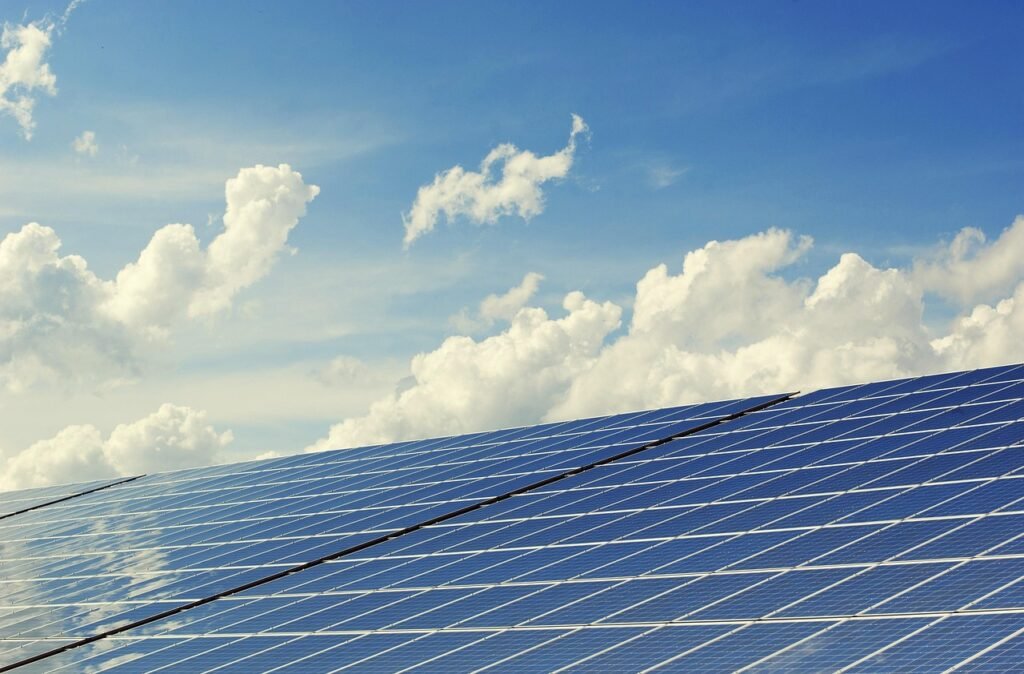
India’s solar energy sector is expanding rapidly, and businesses, industries, institutions, and property owners are increasingly looking for dependable solar solutions that can deliver long-term performance. While solar panels receive most of the attention, the mounting structure supporting them is equally important. A properly engineered structure keeps panels secure, maintains the required orientation and tilt, and helps the overall solar installation withstand environmental conditions.
For projects in Maharashtra, choosing the right Solar Module Mounting Structure Nashik can make a meaningful difference in installation quality, structural stability, maintenance, and long-term energy generation. A well-designed mounting system should be selected according to the roof or land conditions, panel configuration, wind loads, material requirements, and project scale.
What Is a Solar Module Mounting Structure?
A solar module mounting structure is the framework used to securely install photovoltaic panels on rooftops, open land, parking areas, or other suitable locations. It acts as the supporting foundation between the solar modules and the installation surface.
The structure is designed to:
- Hold solar panels securely in position
- Maintain the required panel angle and orientation
- Distribute structural loads appropriately
- Provide resistance against wind and weather conditions
- Support safe and efficient installation
- Allow easier inspection and maintenance
- Help protect the solar modules from unnecessary movement or misalignment
The quality of this framework directly affects the stability and durability of a solar project. For this reason, structural engineering should be considered at the beginning of the project rather than treated as an afterthought.
Why the Mounting Structure Matters in Nashik
Nashik has a growing industrial, commercial, agricultural, and residential landscape, creating opportunities for rooftop and ground-mounted solar installations. However, every site has different structural and environmental requirements.
A suitable Solar Module Mounting Structure Nashik should account for factors such as:
Wind Resistance
Solar panels have a relatively large surface area, making wind loading an important consideration. The mounting system needs appropriate structural strength, connections, and foundations for the installation location.
Roof and Ground Conditions
Rooftop projects require careful evaluation of the existing roof and its load-bearing capacity. Ground-mounted systems, meanwhile, require attention to soil conditions, foundation design, terrain, and available space.
Tilt and Orientation
The mounting structure should position solar modules at an appropriate angle to support effective sunlight exposure. Poor alignment can affect the overall performance of the solar installation.
Material Durability
Outdoor solar structures remain exposed to rain, humidity, heat, dust, and changing weather conditions. Materials and protective finishes therefore play an important role in reducing corrosion and extending service life.
Types of Solar Mounting Structures
Different solar projects require different structural designs. A professional manufacturer can help select a configuration based on the project’s technical requirements.
Rooftop Solar Structures
Rooftop structures are commonly used for residential, commercial, and industrial installations. Depending on the roof design, mounting systems can be installed on RCC surfaces, metal roofs, or other suitable structures.
Lightweight aluminium and galvanized steel options can be used for different applications. RCC mounting systems, for example, need careful consideration of roof penetration, waterproofing, load distribution, and panel positioning.
Ground-Mounted Structures
Ground-mounted systems are suitable when sufficient open land is available or when a rooftop does not provide the required installation area.
They can be designed in configurations such as:
- Single-pole structures
- Double-pole structures
- Fixed-tilt systems
- Seasonal adjustment systems
- Utility-scale mounting arrangements
Ground-mounted solutions can also be adapted to different terrain and foundation requirements. SOLSTR provides ground-mounted systems using materials such as hot-dip galvanized steel and Galvalume, with configurations designed around project-specific requirements.
Solar Car Parking Structures
Solar carports combine parking infrastructure with solar generation. Panels are mounted above parking spaces, allowing the same area to serve both functional and energy-generation purposes.
This approach can be particularly useful for:
- Commercial properties
- Factories
- Educational institutions
- Hospitals
- Office campuses
- Large parking facilities
Cable Trays and Accessories
A complete solar installation involves more than the primary frame. Cable management, clamps, fasteners, grounding components, and other accessories also contribute to installation quality.
SOLSTR’s product range includes aluminium and galvanized steel mounting accessories, along with clamps, strut channels, fasteners, and related components.
Key Factors to Consider Before Choosing a Structure
Selecting a mounting system should involve more than comparing prices. A structurally appropriate solution can help reduce installation problems and improve long-term reliability.
Consider the following:
- Project capacity – Determine the size and number of solar modules.
- Installation location – Identify whether the project is rooftop, ground-mounted, or a solar carport.
- Wind conditions – Structural design should account for applicable wind loads.
- Foundation requirements – Ground installations require suitable foundation planning.
- Roof condition – Existing roofs should be evaluated before installation.
- Material selection – Galvanized steel and aluminium may be selected according to application requirements.
- Tilt and orientation – The structure should support appropriate module positioning.
- Corrosion protection – Outdoor structures need suitable protection against environmental exposure.
- Maintenance access – Adequate spacing can make future inspection and maintenance easier.
Benefits of Choosing an Engineered Mounting Solution
A professionally engineered structure provides more than physical support for solar modules. It can contribute to smoother installation and dependable project performance.
Important benefits include:
- Better structural stability
- Improved module alignment
- Efficient load distribution
- Reduced risk of premature structural damage
- Easier installation and maintenance
- Greater protection against weather exposure
- Better utilization of available roof or land area
- Long-term support for solar infrastructure
SOLSTR focuses on precision-engineered photovoltaic structures and offers rooftop, ground-mounted, car parking, PEB, cable tray, and accessory solutions. Its stated capabilities include hot-dip galvanized steel solutions, weather-resistant structures, and designs intended for high wind conditions.
Why Choose SOLSTR for Solar Mounting Requirements?
When evaluating a mounting structure manufacturer, experience, engineering capability, material quality, delivery reliability, and product range are important considerations.
SOLSTR states that it has more than eight years of experience and provides solar mounting solutions across multiple Indian states. Its Maharashtra project hub includes industrial and commercial projects, reflecting its presence in the state.
The company emphasizes:
- Precision engineering
- Quality-focused manufacturing
- Timely delivery
- Weather-resistant designs
- Corrosion protection
- Rooftop and ground-mounted solutions
- Solar car parking structures
- Mounting accessories
- Project-specific structural solutions
For businesses planning a solar installation, SOLSTR can help evaluate the structural requirements and identify an appropriate mounting configuration based on the project’s application.
Final Thoughts
The mounting system is one of the fundamental components of any solar installation. Choosing the right structure helps keep modules stable, correctly positioned, and supported throughout their operating life. From rooftop installations to large ground-mounted projects and solar carports, structural design should match the site’s physical and environmental requirements.
For companies and property owners planning a solar project, investing in a properly engineered Solar Module Mounting Structure Nashik can support installation reliability, efficient space utilization, and long-term system performance. Careful consideration of materials, foundations, wind resistance, panel orientation, and installation conditions can make the entire solar project more dependable.
With its range of photovoltaic mounting solutions and engineering-focused approach, SOLSTR offers options for different solar applications while emphasizing durability, precision, and timely project support.
