
Reliable Construction Contractors for Concrete in South Sound
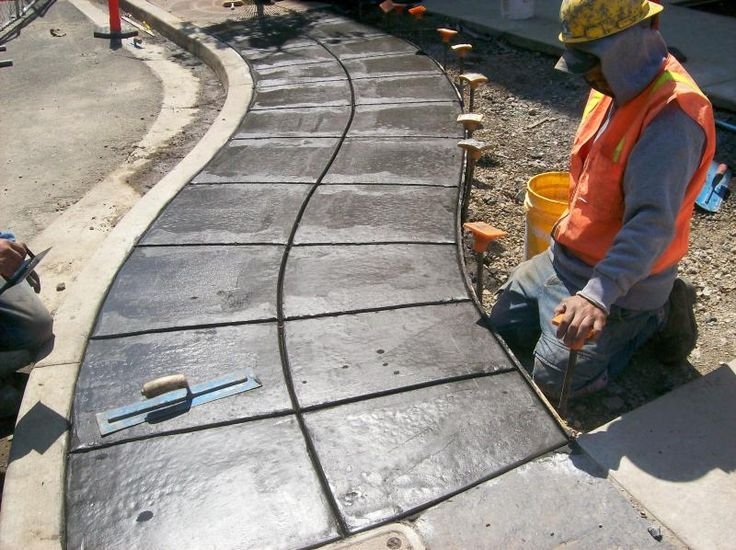
A cracked driveway, uneven walkway, or worn patio can make a property feel older than it really is. In the South Sound, wet weather, soft ground, tree roots, and seasonal moisture can make concrete work more complicated than simply pouring a slab. North Cascades Concrete approaches these projects with a focus on site conditions, preparation, placement, and long-term performance.
What Concrete Construction Actually Involves
Concrete construction covers far more than mixing material and smoothing a surface. Residential and commercial projects may include driveways, patios, sidewalks, steps, slabs, foundations, parking areas, walkways, and replacement of deteriorated concrete.
A successful project starts below the finished surface. The existing soil needs to be evaluated, unsuitable material may need to be removed, and the area must be graded before a stable base is prepared. Depending on the project, reinforcement such as rebar or welded wire mesh may be incorporated before the concrete is placed.
Forms establish the shape and elevation of the slab. Once the concrete arrives, the crew places, consolidates, levels, and finishes it before controlling joints are installed at appropriate locations. The surface then needs adequate curing time before it receives normal use.
In the South Sound, we’ve noticed that most homeowners initially pay attention to the visible finish. That makes sense, but the hidden preparation often determines whether the concrete stays level and functional.
The region’s wet climate creates another consideration. Rain can saturate soil and affect site access, excavation, grading, and the condition of the base. A contractor may need to account for groundwater, runoff, drainage paths, or areas that remain damp after storms.
Driveways also need different planning from pedestrian surfaces. A residential driveway carrying cars and SUVs needs a suitable base and thickness for its intended loads. A patio has different structural demands, while a walkway may place greater emphasis on slope, transitions, and safe footing.
The Real Challenge in South Sound
The most common problem is not necessarily the concrete itself. It is often what happens beneath or around it.
For homeowners planning concrete installation services, the finished appearance is only one measure of quality. Proper drainage, base preparation, thickness, reinforcement, joint placement, and curing can have a much greater effect on how the surface performs over the years.
A client in South Sound reached out after noticing a driveway developing a low area near one edge. Water collected there after heavy rain, and a visible crack eventually appeared. The surface looked like the main problem, but the more useful question was why that section had settled. Addressing the grade and base condition was more important than simply filling the crack.
That is one area generic contractor pages often under-explain. Local providers advertise driveways, patios, sidewalks, demolition, and other concrete work, but homeowners still need to know what preparation is included in the quoted price.
Another question worth asking is whether an existing slab really needs total replacement. Some damaged concrete can be repaired, depending on the severity and cause of the problem. Extensive settlement, widespread cracking, drainage failures, or structural deterioration may justify replacement, while isolated surface issues may call for a different approach.
A recent South Sound discussion about replacing an older driveway also illustrates how homeowners compare contractors based on price, experience, and the contractor’s ability to explain why certain work is recommended.
The unique point here is simple: the best concrete estimate is not always the cheapest estimate or the most expensive one. It is the one that clearly explains what is happening below the finished surface.
How North Cascades Concrete Approaches It Differently
North Cascades Concrete approaches a concrete project by assessing the property before deciding how the work should be built. The company’s existing service information covers concrete pouring and finishing, driveways, patios, sidewalks, decorative work, repair, demolition, and related surface preparation.
The first stage is understanding the project itself. A driveway replacement may require demolition and removal of an existing slab, while a new patio may require excavation, grading, and preparation of an undeveloped area.
Site preparation is treated as part of the finished system rather than an afterthought. The area can be cleared, excavated, shaped, and prepared for the selected concrete application. Where the existing soil is unsuitable, additional base material may be required before placement.
Joint placement deserves special attention. Concrete naturally undergoes shrinkage as it cures and responds to temperature changes. Properly located control joints help manage where cracking is more likely to occur. They cannot guarantee a crack-free slab, but they provide a planned location for movement.
A concrete driveway installation in South Sound should receive particular attention to drainage and grade. Water should not be directed toward the garage, foundation, neighboring property, or another area where it can create a problem.
Curing also matters. A freshly finished surface can look complete long before it has developed its intended strength. Protecting the slab during the early curing period helps reduce avoidable damage and gives the material time to develop properly.
Many local pages explain the sequence from consultation through pouring and finishing, but homeowners are less often told which questions reveal the quality of that process. Ask about excavation, base material, compaction, reinforcement, control joints, drainage, finishing, and curing. Those answers provide a much clearer picture than a gallery of attractive finished projects.
Practical Tips: What to Know Before You Decide
Start with the purpose of the concrete surface. A driveway, garage slab, patio, walkway, retaining-area pad, and commercial surface can have different requirements. Tell the contractor how the area will be used and what loads it is expected to carry.
Working with clients in South Sound, our team found that homeowners often compare estimates by square-foot price alone. That can be misleading because two properties with identical dimensions may require very different amounts of excavation, demolition, grading, base material, drainage work, and cleanup.
Before signing an agreement, ask for a written scope covering:
- Demolition and concrete removal
- Excavation depth
- Base material and preparation
- Reinforcement
- Concrete thickness
- Control and expansion joints
- Finished slope and drainage
- Surface finish
- Curing expectations
- Cleanup and disposal
- Warranty or workmanship terms
- Procedures for unexpected site conditions
Think about transitions, too. Driveways meet garages, sidewalks, streets, and existing slabs. Small elevation differences can create drainage or trip concerns if the finished grades are not planned carefully.
For patios, consider furniture placement before the forms are built. A dining table, grill, outdoor sofa, or fire feature can take up more room than expected. Planning those locations early can prevent a finished patio from feeling crowded.
Walkways deserve their own review. The path should provide comfortable access while maintaining appropriate slope and transitions. Steps may require additional planning for rise, run, handrails, and local requirements depending on the project.
One South Sound-specific tip is to pay attention to the weather window. Wet conditions can make excavation and site preparation difficult, while rain during certain stages of concrete work can interfere with finishing. Ask how the contractor handles weather delays rather than assuming every scheduled pour will proceed regardless of conditions.
Material selection also deserves attention. Standard gray concrete can provide a clean, practical appearance, while exposed aggregate, stamped concrete, integral color, or other decorative approaches can change the visual character of a property.
Cost should be judged by the entire scope. A quote that excludes demolition or base preparation may appear cheaper initially but become more expensive after additional work is identified. Ask what assumptions were used to calculate the price and what happens if hidden conditions are discovered.
Finally, do not expect concrete to remain perfectly unchanged forever. Minor surface variations and some cracking can occur as concrete responds to temperature, moisture, soil movement, and normal use. Good installation aims to control these risks rather than promise something concrete cannot realistically provide.
Start With the Ground Beneath the Concrete
Durable concrete starts with more than a good-looking finish. For South Sound properties, soil, drainage, excavation, reinforcement, joint placement, weather, and curing all deserve attention before the concrete truck arrives. If you are planning a new concrete project, North Cascades Concrete can assess the site and help define the appropriate scope for construction contractors working in South Sound.
4. FAQs
1. How much does a concrete project cost in the South Sound?
Concrete project pricing depends on square footage, demolition, excavation, soil conditions, base preparation, reinforcement, thickness, finish, drainage, access, and cleanup. A basic walkway may cost much less than a full driveway replacement. Request an itemized estimate so you can compare the actual scope rather than relying only on a square-foot price.
2. How long does new concrete take to install?
The installation itself may take a day or several days depending on project size and preparation. The larger timeline includes demolition, excavation, base work, forming, placement, finishing, curing, and weather delays. Concrete also needs time before normal vehicle or heavy use, so ask the contractor for project-specific access guidance.
3. Can an old concrete driveway be repaired instead of replaced?
Sometimes. Repair may be reasonable for limited cracks, minor surface deterioration, or isolated damage where the underlying base remains stable. Replacement is more appropriate for widespread settlement, major cracking, drainage problems, or significant structural deterioration. A site inspection can help determine whether repair is likely to provide a lasting result.
4. How do I know a concrete contractor is trustworthy?
Ask for licensing information, insurance, references, recent project examples, and a written scope of work. A trustworthy contractor should explain site preparation, concrete specifications, reinforcement, joints, curing, payment terms, and warranty coverage clearly. Be cautious of bids that are unusually low but provide little information about what is actually included.
5. What should I ask before hiring construction contractors?
Ask who handles excavation, base preparation, forming, reinforcement, concrete placement, finishing, cleanup, and disposal. Confirm how drainage will be addressed and what happens if poor soil or hidden damage appears. You should also understand the expected schedule, weather policy, payment milestones, and how changes to the original scope are documented.
