
PRP Hair Treatment in Riyadh: A Guide to Scalp and Hair Recovery
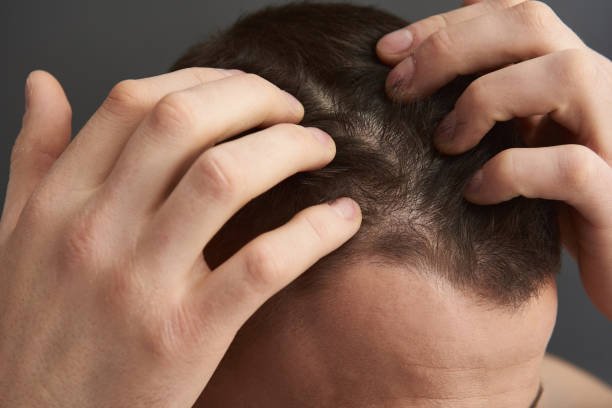
Hair thinning, excessive shedding, and weakened strands can affect both the appearance of the hair and overall confidence. Since different factors can contribute to hair loss, understanding the condition of the scalp and follicles is an important part of choosing an appropriate treatment. prp riyadh is a minimally invasive approach that uses the patient’s own platelet-rich plasma to support existing hair follicles and promote healthier-looking hair.
Scalp and hair recovery is a gradual process rather than an overnight change. During PRP Hair Treatment in Riyadh, a small blood sample is collected and processed to concentrate platelets and growth-related components. The prepared plasma is then carefully introduced into selected areas of the scalp. This approach is designed to provide supportive signals around viable follicles and may help improve the overall appearance of thinning hair over time.
Understanding Scalp and Hair Recovery
Healthy-looking hair depends on the condition of the scalp and the activity of individual hair follicles. When follicles become weakened or produce progressively thinner strands, changes in density may become noticeable.
Hair recovery therefore involves more than simply focusing on visible hair. A proper assessment considers the scalp, follicle condition, hair-growth pattern, and possible reasons behind the thinning.
The Hair Growth Cycle
Hair naturally passes through different stages of growth, transition, and shedding. Because follicles operate according to these cycles, treatments designed to support hair growth generally require time before visible changes appear.
This is one reason realistic expectations are important when considering PRP. Improvements may develop gradually as follicles progress through their natural growth cycle.
How PRP Supports the Scalp
PRP is prepared from the patient’s own blood. After the blood is collected, it is processed to separate the platelet-rich portion. Platelets contain substances involved in natural tissue repair and cellular communication.
The concentrated plasma is introduced into targeted areas of the scalp. The goal is to provide supportive components around existing follicles that may be weakened or producing finer hair.
PRP does not create new follicles or restore follicles that have been permanently lost. Its potential benefits are therefore generally focused on supporting viable follicles.
Assessing the Scalp Before Treatment
A personalized scalp evaluation can help determine whether PRP is appropriate. The medical professional may examine the distribution of thinning, the condition of the scalp, and the appearance of existing follicles.
Identifying the Hair Loss Pattern
Hair loss can appear as diffuse thinning, a widening part, a receding hairline, or thinning concentrated around specific areas. Recognizing the pattern can help guide the treatment approach.
Considering Possible Causes
Genetics, hormonal changes, nutritional deficiencies, stress, certain medical conditions, and other factors may contribute to hair loss. If shedding is sudden or unusual, identifying the underlying cause may be important before beginning a cosmetic treatment.
What Happens During PRP Treatment?
The treatment generally starts with a consultation and scalp assessment. Once PRP is considered suitable, a small amount of blood is drawn from the patient.
The blood is processed to separate the platelet-rich plasma from other components. After preparing the scalp, the concentrated plasma is administered into selected areas using fine needles.
Because the treatment is targeted, the injection areas can be adjusted according to the individual’s pattern of thinning. This makes the treatment plan more personalized than applying the same approach to every scalp.
What Can You Expect After Treatment?
PRP is minimally invasive, so recovery is generally straightforward. Some patients may experience temporary redness, tenderness, swelling, or sensitivity around the injection sites.
Following the provider’s aftercare instructions can help support a comfortable recovery. Patients should also avoid unnecessarily irritating the treated scalp and follow any specific recommendations given after the session.
The absence of an extended recovery period does not mean that hair changes will appear immediately. The biological process of hair growth takes considerably longer than the recovery of the injection sites.
When Can Hair Improvements Become Visible?
Results can vary significantly between individuals. Some people may notice changes in hair shedding or texture before more visible improvements in density become apparent.
Early Stage
During the initial period after treatment, the scalp is primarily recovering from the injections. Visible hair growth should not be expected immediately.
Developing Stage
Over the following weeks and months, suitable follicles may gradually respond. Changes can include the appearance of stronger-looking strands or improved coverage in areas of thinning.
Ongoing Stage
A provider may recommend additional sessions or maintenance treatment depending on the individual’s response. Regular evaluation can help determine whether the existing plan should continue or be adjusted.
Factors That Influence Recovery
Several factors can affect the outcome of PRP treatment.
Follicle Condition
PRP generally focuses on viable follicles. The condition of follicles in the thinning area can therefore influence how much improvement may be possible.
Cause and Severity of Hair Loss
Early or moderate thinning may be approached differently from advanced hair loss. The underlying cause also plays an important role in determining whether PRP is appropriate.
Individual Health and Hair Cycle
Genetics, age, general health, nutritional status, and natural hair-growth cycles can all influence the treatment response.
Treatment Plan
Following a professionally recommended schedule and attending appropriate follow-up assessments can help monitor progress and determine whether further sessions may be useful.
PRP and Other Hair Restoration Options
PRP is one option within a broader range of hair-restoration approaches. Depending on the diagnosis, a provider may discuss medications, topical treatments, scalp therapies, or surgical options.
Hair transplantation is different from PRP because transplantation involves moving follicles from a donor area to another part of the scalp. PRP does not transfer follicles; instead, it is intended to support existing follicles.
For some patients, PRP may be considered alongside other treatments as part of a comprehensive hair-care or restoration plan.
Maintaining Scalp and Hair Health
Professional treatment can be complemented by healthy hair-care habits. Maintaining a balanced diet, avoiding unnecessary chemical or physical stress on the hair, managing scalp hygiene appropriately, and following professional recommendations may help support overall scalp health.
Patients should also seek professional evaluation if they experience sudden, severe, or patchy hair loss, as these patterns may have an underlying cause requiring specific attention.
Choosing PRP Hair Treatment in Riyadh
Selecting an experienced medical provider is an important part of the treatment journey. A proper consultation should include a scalp evaluation, discussion of the likely cause of hair loss, assessment of follicle condition, and an explanation of realistic treatment expectations.
A personalized approach can help ensure that PRP is recommended only when it is considered suitable for the individual’s condition and goals.
Book Your Appointment at Royal Clinic Saudia
If you are concerned about thinning hair or scalp health, Royal Clinic Saudia can provide a professional consultation to assess your condition and discuss suitable hair-restoration options. Understanding your scalp and hair-loss pattern can help create a more personalized treatment plan.
FAQs:
Is PRP suitable for damaged hair follicles?
It may support viable weakened follicles, but follicles that are permanently lost cannot be restored through PRP.
How long does scalp recovery take after PRP?
Mild redness or tenderness may occur temporarily, while visible hair changes generally take much longer.
Can PRP stop hair loss permanently?
PRP is not a guaranteed permanent solution. Results and duration can vary depending on the underlying cause and individual response.
Does PRP require multiple sessions?
Some patients may benefit from multiple sessions, depending on their scalp condition and response to treatment.
