
Making Smarter Stock Decisions When Customer Demand Keeps Changing
Customer demand rarely stays the same for long. A product that sells steadily today may lose popularity next month, while an unexpected increase in orders can leave a business struggling to replenish its shelves. For retailers, wholesalers, distributors, and manufacturers, responding to these changes requires a careful balance between product availability and financial discipline. Poor inventory decisions can result in missed sales, excess stock, and cash flow problems that affect the entire operation.
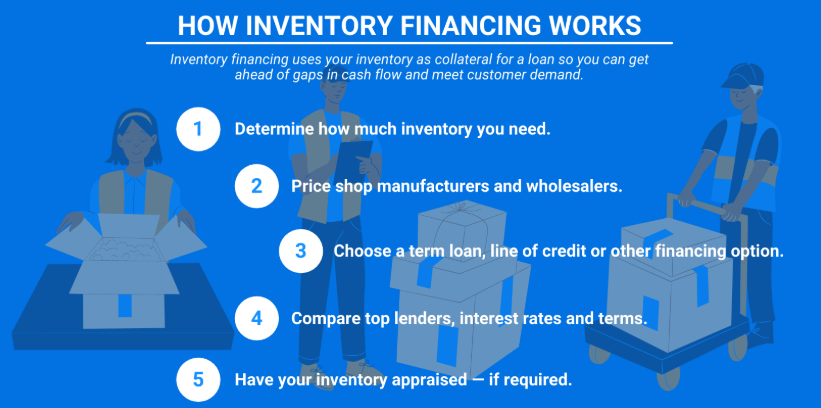
For companies seeking ways to manage purchasing costs during periods of uncertainty, Inventory Financing in Texas may be worth exploring as part of a broader working capital strategy. Financing can help eligible businesses obtain products when needed, but its value depends on accurate demand estimates, manageable repayment obligations, and a realistic understanding of how quickly inventory will sell.
The most effective inventory strategies combine reliable data with flexible purchasing plans. Rather than relying entirely on past sales or placing large orders whenever an opportunity appears, businesses can monitor customer behavior, evaluate supplier reliability, and adjust stock levels as conditions change. This approach supports better decisions without unnecessarily tying up money in products that may take months to sell.
Recognize the Difference Between Temporary Spikes and Lasting Demand
A sudden increase in sales does not always mean a product will continue selling at the same rate. Temporary promotions, one-time commercial orders, unusual weather, or short-lived online trends can create demand that disappears quickly.
Before increasing purchasing quantities, businesses should investigate what caused the change. Compare recent orders with longer-term sales records and determine whether customers are making repeat purchases. If the increase comes from a single large client, consider whether the order is recurring or a one-time requirement. This distinction matters because inventory purchased to meet temporary demand may remain unsold afterward. A measured response can help companies capture additional revenue without committing more capital than the opportunity justifies.
Establish Reorder Points That Reflect Real Operating Conditions
A reorder point identifies when inventory should be replenished to reduce the risk of running out. The calculation generally considers average demand during supplier lead time, along with a safety stock allowance for unexpected delays or demand changes.
For example, a business selling 20 units daily with a supplier lead time of five days may need at least 100 units to cover expected sales while waiting for replenishment. Additional safety stock may be appropriate if delivery times vary or demand is unpredictable. These calculations should be updated when sales patterns or supplier performance change. Inventory Financing in Texas can be considered when planned replenishment creates a funding gap, but the reorder point should come from operational needs rather than the amount a business can borrow.
Use Safety Stock Without Overfilling the Warehouse
Safety stock provides protection against uncertainty. It can be particularly useful for essential products, items with long delivery times, and goods supplied by vendors whose schedules are inconsistent. However, excessive safety stock can increase storage costs and leave cash tied up unnecessarily.
Businesses should determine which products justify this protection instead of applying the same buffer to every item. A widely used component that would halt production if unavailable may deserve more safety stock than a product with several easy-to-source alternatives. Review supplier reliability, demand variability, and the financial consequences of a stockout. The objective is to maintain a practical cushion against disruption while avoiding the assumption that every possible shortage must be addressed by purchasing substantially more inventory.
Improve Forecasting With Information From Multiple Sources
Historical sales are a useful starting point, but they do not provide a complete picture of future demand. Businesses can improve forecasts by considering current customer inquiries, confirmed purchase orders, promotional calendars, market changes, and feedback from sales teams.
For companies selling to other businesses, information about clients’ upcoming projects may help indicate when particular products will be needed. Retailers may gain useful insights from website searches, abandoned carts, product reviews, and repeat purchasing patterns. These signals should be evaluated carefully because interest does not always turn into completed sales. Combining several information sources creates a more balanced forecast and helps purchasing managers distinguish credible demand signals from speculation.
Build Flexibility Into Supplier Agreements
Inventory planning becomes more difficult when suppliers require large minimum orders or impose long lead times. Businesses may have to commit significant funds before knowing whether customers will purchase all the goods. Negotiating more flexible terms can reduce this pressure.
Depending on the supplier and product, possible arrangements include smaller initial orders, staggered deliveries, scheduled replenishment, or payment terms that better align with the sales cycle. Companies can also identify backup suppliers for critical items. Alternative sources may cost slightly more, but they can provide valuable protection if the primary supplier experiences a delay. Before accepting any arrangement, compare its complete cost with the operational flexibility it provides.
Understand How Product Variety Affects Available Capital
Offering more products can attract new customers, but every additional product line introduces purchasing and management requirements. A business that expands its catalog too quickly may spread its available capital across many items, leaving insufficient funds to replenish the products that sell most consistently.
Before adding a new category, estimate its expected demand, purchase cost, storage requirements, and likely gross margin. Where possible, test the category with a limited quantity and review actual customer response before committing to larger orders. Businesses should also consider whether new products complement existing purchases or require separate storage and handling arrangements. A focused selection of well-performing products can sometimes support stronger cash flow than a much larger catalog with inconsistent turnover.
Evaluate Financing Against Different Sales Scenarios
Financing decisions should not depend on a single forecast. If expected sales are delayed or lower than anticipated, repayment obligations may arrive before enough cash has been collected. A useful assessment examines both normal operating conditions and less favorable outcomes.
Companies evaluating Inventory Financing in Texas should estimate the total financing cost, expected inventory turnover, repayment schedule, and available cash after regular expenses. They should also consider what happens if customers pay late or a portion of the stock remains unsold. If the business cannot meet repayments under a reasonable downside scenario, it may need to reduce the purchase quantity, negotiate better supplier terms, or reconsider the timing of the order. Stress-testing the plan makes borrowing decisions more disciplined.
Measure the Financial Impact of Stockouts
A stockout can cost more than the profit from one missed sale. Customers may switch to another supplier, delay a project, or decide not to return. For businesses serving repeat clients, unreliable product availability can gradually weaken commercial relationships.
However, the financial impact varies by product. A temporary shortage of an easily substituted item may have little lasting effect, while an unavailable component needed to complete a larger order could delay the entire transaction. Track stockout frequency, missed orders, backorders, and customer complaints to identify the products that require better replenishment planning. These records can help businesses decide where additional inventory investment is justified and where a different supplier or ordering process would be more effective.
Review Inventory Performance Before Expanding Purchasing Budgets
Inventory plans should be reviewed regularly rather than treated as permanent rules. Monthly or quarterly reviews can reveal products with declining demand, suppliers whose delivery times have changed, and categories that require more capital than their sales justify.
Useful measures include inventory turnover, gross margin, stockout frequency, carrying costs, and the average time required to collect customer payments. Reviewing these figures together provides a clearer picture than looking at sales revenue alone. Hub City Lending is one resource businesses may consider when researching inventory funding, but any financing decision should follow a thorough review of operational needs and financial performance. Funding works best when it supports a clear plan for purchasing and selling stock.
Conclusion
Changing customer demand makes inventory management an ongoing process rather than a one-time purchasing decision. Businesses can respond more effectively by distinguishing lasting demand from temporary spikes, setting practical reorder points, maintaining appropriate safety stock, and improving communication with suppliers. Regular performance reviews also help identify when inventory investment is producing value and when adjustments are necessary.
For businesses considering Inventory Financing in Texas, the goal should be to secure the stock needed to serve customers without creating repayment pressure that weakens daily operations. Hub City Lending can be one option to research as part of that evaluation. With accurate forecasts, flexible purchasing practices, and realistic financial projections, businesses can adapt to changing markets while keeping their inventory decisions grounded in sound commercial judgment.
