
Making Room for What Matters With a Well-Planned Property Cleanup
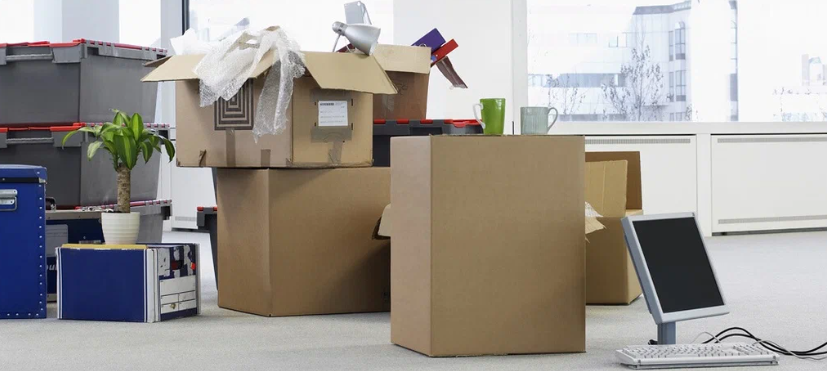
Homes and businesses naturally collect belongings as years pass. Seasonal decorations, outdated electronics, unwanted furniture, old supplies, and remnants from previous projects can gradually occupy areas that were once easy to use. When clutter begins limiting movement or taking over valuable storage space, a carefully planned cleanup can restore a sense of order.
For property owners exploring a Junk Removal Service in Ashland, MA, knowing how to prepare can make the process more straightforward. A clear understanding of the materials involved, their locations, and their condition can help create a removal plan that fits the property rather than treating every cleanout in exactly the same way.
The most productive cleanouts focus on more than simply making things disappear. They consider what should remain, what might be reused, how large objects can be moved safely, and how the recovered areas will function afterward. This makes the cleanup an opportunity to improve the property rather than just a temporary exercise in clearing space.
Identify Spaces That Have Lost Their Purpose
A room or storage area can gradually stop serving its original function when too many belongings accumulate inside it. A garage may become a storage room, an office may become a box-filled area, or a basement may become difficult to navigate.
Walk through the property and ask whether each space can still be used as intended. Areas that have effectively lost their purpose should receive particular attention. Restoring these locations can provide a practical reason for removing items rather than simply organizing clutter into smaller piles.
Set Aside Items That Have Immediate Importance
Before beginning a large cleanup, protect possessions that are currently needed. Important paperwork, frequently used tools, household equipment, personal keepsakes, and other essential belongings should be moved away from the removal area.
This step is especially helpful when several people are involved. A clearly separated area for essential possessions reduces confusion and prevents valuable or necessary items from being mixed with materials that are leaving the property.
Use the Condition of Items to Guide Decisions
Condition is an important factor when evaluating accumulated belongings. An item that is functional and regularly used has a different role from one that is damaged and has been sitting untouched for years.
Inspect furniture, appliances, equipment, and household goods individually. Consider whether repair is realistic and whether the item has a genuine purpose. If restoration would cost more effort or space than the object is worth, removal may be more practical.
Create a Temporary Sorting Station
Large cleanouts can become disorganized when every item is handled independently. Establishing a temporary sorting station can provide a central place for belongings that need a decision.
Use broad categories such as keep, reuse, recycle, and remove. Items can then be moved to the appropriate area as each room is reviewed. This method makes progress easier to see and reduces the chance of repeatedly sorting the same belongings.
Review Items Left Behind by Previous Projects
Properties often contain materials from home improvements that ended years ago. Extra hardware, damaged fixtures, pieces of flooring, old cabinets, paint supplies, and miscellaneous construction materials can remain in garages or basements long after the original work is complete.
Review these materials according to their current condition and realistic usefulness. Keeping a small amount of genuinely useful supplies may make sense, but large quantities of outdated or deteriorated materials can consume valuable storage space without providing a practical benefit.
Give Heavy Equipment Its Own Plan
Some properties contain more than ordinary household clutter. Lawnmowers, exercise machines, workshop equipment, large shelving systems, and other substantial objects may require additional planning.
Determine how each item can be moved from its current position to an accessible location. Clear surrounding objects and inspect the route for narrow passages or changes in elevation. Planning separately for heavy equipment can prevent it from becoming the obstacle that holds up the rest of the cleanup.
Make the Property Easier to Navigate
A cleanout is also an opportunity to improve movement throughout the property. Cluttered hallways, blocked doors, crowded staircases, and overfilled storage areas can create unnecessary obstacles.
As unwanted materials are removed, maintain clear pathways instead of allowing cleared areas to become temporary dumping grounds. Better circulation can make a property feel more spacious while also making everyday cleaning and maintenance easier.
Consider How Seasonal Belongings Are Stored
Seasonal possessions can be useful without needing to occupy prime storage space throughout the year. Holiday decorations, outdoor equipment, winter items, and similar belongings should be reviewed periodically.
Discard damaged items before storing them again and group similar possessions together. Use clearly designated storage areas so that seasonal belongings do not gradually spread into rooms meant for everyday activities. This can reduce future clutter while preserving items that genuinely have recurring value.
Approach Business Cleanouts Around Operations
Businesses may need to clear offices, work areas, storage rooms, or commercial spaces without disrupting normal activity. Outdated desks, chairs, equipment, supplies, and packaging can take up room that could otherwise support current operations.
Before beginning, identify materials that employees still need and separate them from obsolete items. Scheduling the work around operational requirements can make the transition smoother. A business cleanup should ultimately support a more functional workplace rather than simply create temporary empty space.
Prepare Materials With Different Disposal Requirements
Some items found during a property cleanup require more consideration than ordinary household belongings. Electronics, batteries, chemicals, paints, and certain equipment may be subject to different handling or disposal practices.
Identify these materials before the main removal stage and keep them separated. Check applicable local guidance for the correct disposal options. This preparation helps prevent unsuitable materials from becoming mixed with ordinary junk and makes the overall project more orderly.
Estimate the Work Before Removal Begins
Understanding the approximate quantity of unwanted material can help determine how much preparation is needed. Consider the number of large objects, boxes, appliances, bags, and outdoor materials involved.
Also note where these items are located. A Junk Removal Service in Ashland, MA may need different planning for materials gathered in one accessible garage compared with belongings distributed throughout a multi-level property.
Give Newly Cleared Areas a Purpose
Once unwanted belongings have been removed, avoid immediately filling the available space. Decide what the area should accomplish and organize the remaining possessions around that purpose.
A designated storage system can make frequently used items easier to find while keeping pathways open. Number 1 Junk Removal can be considered as part of a larger cleanup when the volume of unwanted material has become difficult to manage through ordinary disposal methods.
Conclusion
A property cleanup can do more than remove accumulated belongings. It can restore rooms to their intended purposes, improve accessibility, and create storage systems that are easier to maintain. The process becomes more effective when possessions are evaluated carefully and large or specialized materials receive appropriate attention.
For homeowners and businesses in Ashland, thoughtful preparation can make a substantial cleanout more manageable. By deciding what truly belongs on the property and giving recovered spaces a clear function, owners can create an environment that remains useful long after the unwanted materials have been cleared away.
