
Lane’s Contracting & Roofing, Inc. Helping Homeowners Recover Through Storm Damage Restoration
Severe weather can cause unexpected damage to residential properties, affecting roofs, siding, windows, gutters, and other exterior components. Strong winds, heavy rainfall, hail, and falling tree branches can weaken protective materials and create openings that allow moisture to enter a home. Even when damage appears minor, hidden problems may develop beneath roofing materials or behind exterior surfaces. Professional storm damage restoration helps homeowners identify affected areas, address immediate concerns, and restore their property’s protective features. Acting quickly after severe weather is important because untreated damage can lead to additional repairs, interior deterioration, and unnecessary expenses. A careful inspection provides a clearer understanding of the property’s condition and helps determine which improvements are necessary.
Homeowners often face several challenges after a major storm, including concerns about water intrusion, damaged roofing materials, insurance documentation, and the safety of their property. Working with an experienced storm damage restoration professional can make the recovery process more organized and manageable. Qualified exterior specialists understand how different parts of a home may be affected by severe weather and can recommend appropriate repair or replacement solutions. From addressing missing shingles to replacing damaged siding and windows, professional services help restore the exterior while reducing the risk of further deterioration. Choosing a dependable company with experience, quality workmanship, and clear communication is an important step toward protecting a residential investment.
Understanding the Different Types of Storm Damage
Storm damage can affect residential properties in several ways, depending on the severity of the weather and the condition of existing exterior materials. High winds may lift shingles, damage roof edges, loosen siding, or cause tree branches to strike the structure. Hail can leave dents, cracks, or other visible marks on roofing and exterior surfaces. Heavy rainfall may expose weaknesses in flashing, gutters, and drainage systems, allowing water to enter vulnerable areas. Windows can also suffer damage from flying debris or pressure changes during severe storms. Some problems are immediately noticeable, while others remain hidden until homeowners discover water stains, damp insulation, or damaged interior finishes. Understanding these different forms of damage is important because each requires an appropriate assessment and repair approach. A thorough professional inspection helps identify affected components and establish priorities for restoring the property’s exterior.
Why Immediate Storm Damage Inspections Matter
Arranging a professional inspection soon after severe weather can help homeowners identify problems before they become more extensive. A damaged roof may allow water to enter the attic, while loose siding can expose underlying materials to moisture. Small openings around windows, doors, and roof intersections may also create opportunities for water intrusion. Homeowners should examine their property from a safe location and avoid climbing onto damaged or slippery surfaces. Visible signs such as missing shingles, fallen branches, broken windows, loose gutters, and water stains should be taken seriously. Professional inspectors can examine accessible exterior components and identify concerns that may not be obvious from the ground. They can also explain which repairs require immediate attention and which improvements can be scheduled later. Prompt evaluations support better decision-making and help homeowners avoid overlooking damage that could affect the property’s long-term condition.
Restoring Roofing Systems After Severe Weather
The roof is often one of the most vulnerable parts of a home during severe weather because it receives direct exposure to wind, rain, and hail. Storms may remove shingles, damage flashing, loosen ridge caps, or create openings around vents and other roof penetrations. When water enters through these areas, it can affect roof decking, insulation, ceilings, and interior walls. Depending on the extent of the damage, restoration may involve replacing individual shingles, repairing flashing, addressing damaged decking, or completing a full roof replacement. Professional roofing assessments help determine the most practical solution for the property’s condition. Material compatibility and correct installation techniques are especially important because poorly completed repairs may leave surrounding areas vulnerable. Homeowners should also discuss ventilation, drainage, and the condition of existing roofing materials when planning restoration work. A properly evaluated roofing system provides an important foundation for protecting the home against future weather exposure.
Repairing Damaged Siding and Windows
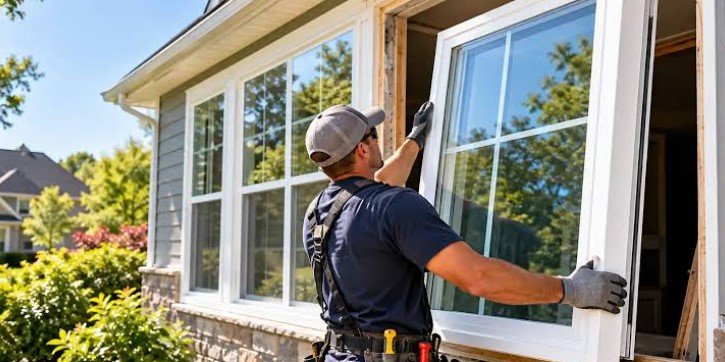
Roofing is not the only exterior component that may require attention after a storm. High winds and flying debris can crack siding panels, loosen exterior trim, damage window frames, and break glass. These problems may affect both the property’s appearance and its ability to prevent moisture from entering the structure. Damaged siding should be evaluated to determine whether individual sections can be repaired or whether larger areas require replacement. Window damage deserves particular attention because broken glass, compromised seals, and damaged frames can create safety concerns and allow outdoor air and water inside. Professional installation helps ensure that replacement materials fit correctly and connect properly with surrounding surfaces. Homeowners should also consider whether the storm affected exterior caulking, flashing, or other protective details. Addressing these components as part of a coordinated restoration project can help restore the home’s appearance and improve its overall exterior protection.
Working With Insurance During Storm Recovery
Insurance documentation is an important part of the recovery process for homeowners whose properties have experienced storm damage. After a severe weather event, property owners should photograph visible damage, record the approximate date of the incident, and keep copies of relevant repair estimates and inspection reports. Maintaining organized records can make communication with the insurance company easier. Homeowners should review their policy to understand coverage, deductibles, exclusions, and reporting requirements. It is important to avoid assuming that every type of damage will automatically qualify for coverage. Insurance adjusters evaluate claims according to the applicable policy terms and the circumstances surrounding the loss. Professional roofing and exterior companies may provide inspection findings and estimates that help homeowners understand the work involved. However, coverage decisions remain with the insurance provider. Clear documentation, timely communication, and an accurate understanding of policy requirements can help make the claims process more manageable.
Choosing a Reliable Restoration Company
Selecting an experienced restoration company is essential because storm-related projects often involve several exterior components and different types of repairs. Homeowners should evaluate a company’s experience, licensing, insurance, certifications, communication practices, and previous workmanship before making a decision. A dependable professional should provide a detailed assessment and explain why specific repairs or replacements are recommended. Written estimates should clearly identify materials, labor, project responsibilities, and applicable warranties. Homeowners should also be cautious of contractors who demand immediate decisions, make unrealistic promises, or recommend extensive replacement work without properly inspecting the property. Lane’s Contracting & Roofing, Inc. is a family-owned, faith-based exterior remodeling company that has served North Carolina homeowners since 2005. Its services include roofing inspections, emergency repairs, storm damage restoration, roof replacement, siding installation, and window replacement. Its GAF Master Elite certification is an additional credential homeowners may consider when evaluating roofing professionals.
Preventing Future Weather-Related Problems
Although homeowners cannot control severe weather, regular exterior maintenance can help reduce the risk of certain types of damage. Roof inspections can identify aging shingles, deteriorating flashing, and loose roofing components before they become more vulnerable during storms. Keeping gutters clean supports proper water drainage and helps prevent water from collecting near roof edges. Trees surrounding the property should also be maintained to reduce the possibility of branches striking the home during strong winds. Siding, window seals, exterior trim, and other exposed components should be checked periodically for signs of deterioration. Homeowners may also benefit from maintaining records of previous repairs and improvements to make future maintenance decisions easier. Preventive care cannot eliminate storm-related risks, but it can help property owners maintain stronger exterior systems and respond more effectively when severe weather occurs.
Conclusion
Recovering from severe weather requires careful planning, timely inspections, and professional attention to damaged exterior components. Roofing problems, broken windows, damaged siding, and drainage concerns should be evaluated promptly to prevent additional complications. Quality storm damage restoration focuses on identifying the full extent of damage, selecting suitable materials, and completing repairs with attention to safety and workmanship. Homeowners should also maintain accurate insurance documentation and choose experienced professionals who communicate clearly throughout the project. For North Carolina property owners, Lane’s Contracting & Roofing, Inc. offers established experience in roofing and exterior remodeling services that can support residential recovery projects. Taking the right steps after a storm helps protect the property, restore its appearance, and prepare its exterior for changing weather conditions.
