
Insulation Nation and the Benefits of Professional Residential Insulation Services
A comfortable home requires more than an effective heating and cooling system. Proper insulation plays an important role in maintaining indoor temperatures, reducing energy waste, and protecting living spaces from seasonal weather changes. Homeowners dealing with cold rooms, excessive summer heat, uncomfortable drafts, or rising utility bills may benefit from evaluating the condition of their existing insulation. Professional residential insulation services help address these concerns by improving the thermal barrier between indoor and outdoor environments. From attic spaces and exterior walls to crawl spaces and floors, suitable insulation can make a meaningful difference in how a home performs throughout the year. As homeowners become increasingly aware of energy efficiency and long-term property maintenance, insulation improvements have become an important part of responsible homeownership.
Choosing appropriate residential insulation services requires an understanding of the property’s construction, local climate, existing materials, and specific comfort concerns. Homes in Colorado, for example, must handle freezing winter temperatures, strong winds, and warm summer conditions. These seasonal changes make insulation quality especially important for maintaining a consistent indoor environment. Homeowners need solutions that address heat transfer, unwanted air movement, and potential moisture problems without overlooking the unique requirements of individual buildings. Professional insulation contractors can assess these factors and recommend improvements based on the property’s actual condition. A carefully planned insulation project can support better temperature control, reduce unnecessary heating and cooling demands, and contribute to a more comfortable living environment.
Understanding the Importance of Residential Insulation
Insulation works by slowing the movement of heat between areas with different temperatures. During winter, it helps retain indoor warmth, while in summer, it reduces the amount of outdoor heat entering the home. Without adequate insulation, heating and cooling equipment may operate more frequently to compensate for unwanted temperature changes. This can contribute to higher energy consumption and uneven comfort between rooms. The effectiveness of an insulation system depends on several factors, including material type, thickness, installation quality, and the amount of coverage throughout the building. Homeowners should pay particular attention to attics, exterior walls, floors, and crawl spaces because these areas can contribute to heat loss or heat gain when insulation is insufficient. Understanding how insulation works makes it easier to identify improvement opportunities and choose solutions that support the property’s overall energy performance.
Attic Insulation and Its Impact on Indoor Temperatures
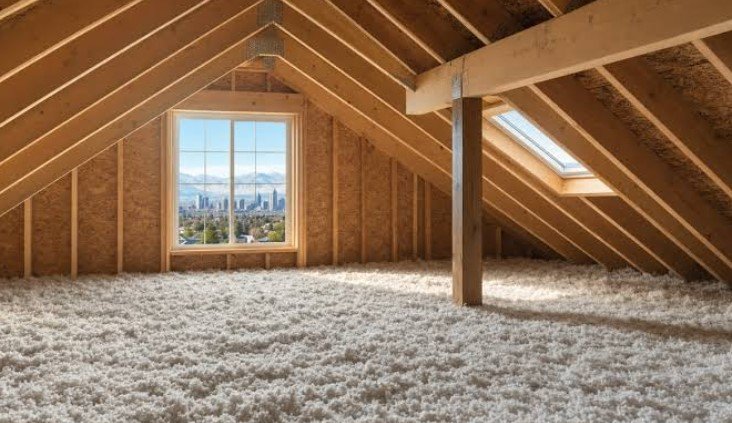
Attics are among the most important areas to consider when planning insulation improvements. Since warm air naturally rises, an inadequately insulated attic can allow indoor heat to escape during colder months. During summer, sunlight heats the roof, increasing attic temperatures and potentially transferring unwanted heat into the rooms below. Proper attic insulation helps reduce this temperature transfer and supports a more comfortable living environment. Depending on the home’s structure, fiberglass batts or blown-in insulation may be suitable options. Blown-in materials can be particularly effective for covering irregular spaces and reaching areas that are difficult to access using traditional installation methods. Before adding insulation, the attic should be examined for existing material damage, moisture concerns, ventilation issues, and air leakage. Addressing these conditions before installation helps create a more reliable insulation system and prevents underlying problems from reducing its effectiveness.
Selecting Suitable Insulation Materials for Different Areas
Every section of a home has different insulation requirements, making material selection an important part of the improvement process. Fiberglass batt insulation is commonly used between wall studs, floor joists, and ceiling framing because it can be fitted into accessible cavities. Blown-in fiberglass and cellulose provide alternative solutions for attic spaces and certain existing wall cavities where consistent coverage may be difficult to achieve with traditional materials. Radiant barriers may also be useful in some attic applications because they reflect radiant heat away from the living areas below. Crawl spaces require additional consideration because insulation must be selected alongside appropriate moisture-management measures. Homeowners should evaluate the material’s R-value, which indicates its resistance to heat flow, and consider the requirements of the specific installation area. Rather than selecting products based only on initial cost, property owners should consider suitability, durability, installation requirements, and expected performance over time.
Air Sealing and Draft Prevention for Better Efficiency
Insulation and air sealing work together to improve a home’s thermal performance. Even when walls and ceilings contain sufficient insulation, small gaps around plumbing pipes, electrical wiring, windows, doors, and attic access points can allow conditioned air to escape. These openings may also allow outdoor air to enter, creating drafts and temperature inconsistencies. Air sealing addresses these weaknesses by closing unwanted openings with appropriate materials, including caulk and expanding foam where suitable. This process is especially important in attic areas because gaps in ceilings can allow warm indoor air to move into unconditioned spaces. Homeowners should understand that insulation alone does not necessarily prevent air leakage. A comprehensive assessment should identify both insulation deficiencies and areas where uncontrolled airflow occurs. Ventilation must also remain appropriate to help manage moisture and maintain healthy indoor conditions. Combining these improvements provides a more complete approach to residential energy efficiency.
Crawl Space Insulation and Moisture Management
Crawl spaces are often overlooked during home improvement projects, even though their condition can affect indoor comfort and building performance. Cold air beneath a home can contribute to uncomfortable floors and additional heating demands, particularly during winter. Moisture entering these spaces may also create conditions that affect insulation materials and nearby structural components. An effective crawl space improvement plan should therefore consider thermal protection and moisture management together. Depending on the building’s construction, suitable solutions may include insulation along appropriate surfaces, vapor barriers, and measures to reduce unwanted air movement. Before installation begins, contractors should inspect the area for water intrusion, condensation, damaged materials, and existing ventilation conditions. Addressing these concerns first helps prevent moisture-related problems from compromising the insulation system. When crawl spaces are included in a broader efficiency plan, homeowners can improve areas that might otherwise continue contributing to energy loss and uncomfortable indoor temperatures.
Choosing a Professional Insulation Contractor
Selecting a qualified contractor is an important part of achieving dependable insulation results. Homeowners should look for professionals who begin with a property assessment rather than recommending the same materials and installation methods for every building. A detailed inspection can identify insufficient coverage, air leaks, damaged insulation, and moisture-related concerns that may require attention before new materials are installed. Written estimates should clearly explain the project scope, recommended products, preparation requirements, and expected costs. It is also sensible to evaluate relevant experience, insurance coverage, customer feedback, and communication practices. Insulation Nation provides Colorado homeowners with residential insulation solutions that include attic insulation, crawl space improvements, blown-in insulation, air sealing, and radiant barriers. Homeowners may also benefit from understanding whether their project qualifies for available energy incentives. Clear recommendations and appropriate installation practices help property owners make informed decisions and avoid unnecessary improvements.
Long-Term Benefits of Improving Home Insulation
Insulation improvements can provide several benefits beyond immediate temperature control. A properly insulated home may experience reduced heat transfer, fewer uncomfortable drafts, and more consistent conditions between different living spaces. Because heating and cooling systems do not have to compensate as frequently for unwanted temperature changes, suitable insulation may also help reduce energy consumption. The actual results depend on the property’s existing condition, climate, building design, and quality of installation. Homeowners should also consider the importance of regular property inspections to identify insulation damage, moisture concerns, or changes that may affect performance over time. In addition, certain utility providers offer financial incentives for qualifying insulation and air-sealing projects. Checking current eligibility requirements before beginning work can help homeowners understand whether rebates are available. Taking a complete approach to insulation allows property owners to consider comfort, energy performance, and long-term maintenance together rather than treating each improvement as an isolated project.
Conclusion
A properly insulated home offers important advantages for indoor comfort, energy efficiency, and long-term property performance. From attic insulation and suitable material selection to air sealing and crawl space improvements, each part of the building should receive attention according to its specific requirements. Homeowners should prioritize professional assessments, appropriate installation methods, and effective moisture management when planning improvements. Investing in reliable residential insulation services can help address temperature inconsistencies, reduce unwanted heat transfer, and support more efficient heating and cooling throughout the year. Understanding the property’s insulation needs and selecting a contractor with relevant experience are essential steps toward achieving dependable results. With thoughtful planning and quality workmanship, homeowners can create a more comfortable living environment while making practical improvements that support their property’s performance for years to come.
