
How to Make Your Manicure Last Longer Without Damaging Your Nails
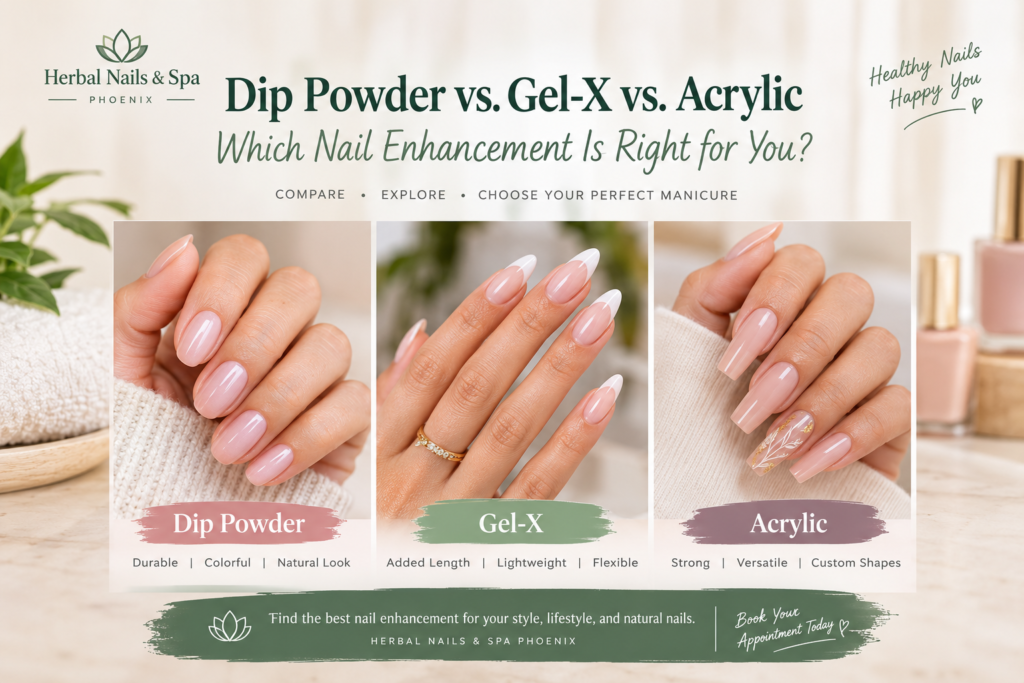
A fresh manicure can make your hands look neat, polished, and well cared for. However, chipped polish, dry cuticles, and peeling nail coatings can shorten the life of a manicure. The good news is that a few simple habits can help you maintain your manicure longer without putting unnecessary stress on your natural nails.
Whether you prefer regular nail polish, gel manicures, or nail enhancements, proper preparation, everyday protection, and gentle aftercare all play an important role. Here are practical ways to keep your manicure looking its best while caring for your natural nails.
1. Start With Clean, Dry Nails
Good manicure maintenance begins before the polish is applied. Oil, moisture, and leftover products on the nail surface can affect how well some nail coatings adhere.
Before applying regular nail polish at home, remove any old polish and clean your nails gently. Make sure your hands and nails are completely dry before beginning. If you use a nail-preparation product, follow its instructions and avoid applying harsh chemicals unnecessarily.
Do not soak your nails immediately before a polish application unless your chosen service specifically requires it. Natural nails can temporarily absorb water and change shape, which may affect how a coating fits as the nails dry.
For salon manicures, allow your nail technician to prepare the nail surface appropriately without excessive filing or scraping.
2. Choose a Manicure That Fits Your Lifestyle
Not every manicure works equally well for every person. Your daily activities, preferred nail length, and willingness to maintain your nails can help determine which option suits you.
Regular nail polish is easy to change and remove, making it a practical choice if you enjoy changing colors frequently. Gel polish generally requires curing under a suitable lamp and may offer longer wear, but removal must be handled carefully. Acrylic and other nail enhancements can provide additional length and shape, although they require appropriate maintenance and professional removal when needed.
Consider your routine before choosing a service. If you frequently type, cook, clean, or work with your hands, shorter nails may be easier to maintain.
A manicure should suit your everyday life rather than require constant repairs.
3. Protect Your Nails During Household Tasks
Frequent contact with water, cleaning products, and rough surfaces can contribute to dryness and wear around your nails.
When washing dishes or using household cleaning products, wear suitable protective gloves. This helps reduce direct exposure to detergents and limits prolonged contact with water.
After washing your hands, dry them thoroughly and apply hand cream, paying attention to the skin around your nails. If you wash your hands frequently throughout the day, keep a moisturizer nearby so you can use it whenever needed.
Avoid using your nails to open cans, remove stickers, scratch surfaces, or pry open packaging. These activities place unnecessary pressure on the nail plate and can cause polish to chip or natural nails to split.
Small changes in everyday habits can make a noticeable difference to manicure maintenance.
4. Moisturize Your Hands and Cuticles Regularly
A manicure looks more polished when the surrounding skin is comfortable and well moisturized. Dry cuticles and rough skin can make even freshly painted nails appear less tidy.
Apply a suitable hand cream throughout the day, particularly after washing your hands. Cuticle oil or another appropriate moisturizer can also help soften the skin around your nails.
Avoid cutting living skin around the nail or pushing the cuticles back aggressively. This area provides a protective barrier, and unnecessary trauma can lead to irritation.
If you notice redness, swelling, persistent discomfort, or a reaction to a nail product, stop using the suspected product and seek appropriate advice.
5. Prevent Chipping Without Picking at Your Polish
A small chip can be frustrating, but peeling or picking at the remaining polish is not a good solution. Pulling away nail coatings can remove layers of the natural nail surface, leaving nails rough or more vulnerable to breakage.
For regular polish, a small touch-up may help disguise a minor chip if the surrounding coating is still secure. Follow the instructions for the products you use and allow each layer to dry properly.
For gel polish or nail enhancements, avoid scraping or forcibly removing lifted areas. If significant lifting, cracking, or damage occurs, contact your nail professional for advice.
Using your nails to pick at polish may seem harmless, but repeated pulling can cause more damage than the original chip.
6. Maintain Your Nail Length and Shape
Long nails can be attractive, but additional length may make them more vulnerable to catching or breaking during everyday activities.
Choose a length that feels comfortable for your lifestyle. Gently file rough edges with a clean nail file, and avoid excessive buffing or aggressive filing of the nail surface.
If a nail breaks, trim or file the rough edge carefully rather than pulling at it. For painful breaks or injuries involving the surrounding skin, seek appropriate medical advice.
Keeping your nails at a manageable length can make routine activities easier and reduce the temptation to use them as tools.
7. Follow the Right Aftercare for Your Manicure
Different nail services require different aftercare routines. Regular polish needs sufficient drying time, while gel products require appropriate curing and careful removal. Nail enhancements may also need professional maintenance depending on the product and how quickly your natural nails grow.
Follow the specific aftercare instructions provided by your nail technician. Avoid attempting to fix significant cracks or lifting with household adhesives, and never force an enhancement off your natural nail.
If your nails become unusually thin, tender, or damaged, consider pausing cosmetic services until you have received suitable advice.
For professional manicure guidance and available nail-care services, you can explore Herbal Nails & Spa Phoenix, where you can learn more about the salon and contact the business with questions about its services.
8. Create a Simple Nail Care Routine
Consistency is often more useful than buying a large collection of nail products. A straightforward routine can help you maintain your manicure between appointments.
Daily: Apply hand cream as needed and moisturize the skin around your nails.
After cleaning: Dry your hands thoroughly and reapply moisturizer.
During household chores: Wear suitable gloves to reduce exposure to cleaning products and prolonged moisture.
Weekly: Check your nail length, smooth rough edges gently, and look for signs of lifting or damage.
Before your next manicure: Consider how well your current style suited your routine and whether you want to adjust the length, shape, or finish.
Remember that a manicure should never require you to tolerate persistent pain or irritation. Unusual discoloration, swelling, nail separation, or suspected infection should be assessed by an appropriate healthcare professional rather than covered with another nail product.
Final Thoughts
Making your manicure last longer does not mean applying more products or avoiding every everyday activity. It means preparing your nails carefully, choosing a suitable manicure, protecting your hands during chores, moisturizing regularly, and removing nail coatings gently.
With consistent care and the right maintenance habits, you can enjoy a neat manicure while reducing unnecessary stress on your natural nails. If you are unsure which nail service best fits your lifestyle, ask a qualified nail professional about suitable options and their aftercare requirements.
Beautiful nails begin with thoughtful care, both at the salon and at home.
