
How Can Forensic Forgery Experts Help Attorneys Challenge Questioned Documents in Court?
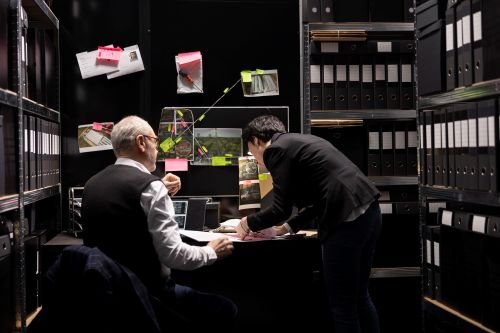
A single signature can decide a case. Wills, contracts, deeds, and checks often sit at the center of a dispute. When one of them looks wrong, attorneys need proof, not a hunch. Forensic forgery experts give them that proof. They study handwriting, ink, and paper with set methods. Then they explain each finding in plain words for the court. This article shows how their work supports a challenge to questioned documents.
The Short Answer
Experts help in three ways. They test whether a document is genuine. They write a clear report. They explain the findings under oath. Each step turns a doubt into evidence a judge can weigh.
What Makes a Document “Questioned”?
A questioned document is any paper with a doubtful source. The doubt may involve a signature, a date, or added text. Wills, loan papers, medical records, and contracts are common examples. Courts do not accept doubt alone. A party must show why the paper is unreliable. Examiners fill this gap with science.
How Examiners Test a Document
A forensic document expert follows a step-by-step method. First, the expert gathers the questioned item and known samples. Next, the expert compares them side by side. Common checks include:
- Handwriting features: Slant, spacing, letter shape, and pen pressure show writing habits. Forgers rarely copy all of them.
- Signature flow: A real signature moves with speed. A copied one often shows pauses, tremor, or patching.
- Ink and paper: Different inks can suggest added text. Lab tools help show whether two entries match in type.
- Indented impressions: Faint grooves on a page can reveal what was written on the sheet above it.
- Alterations: Erasures, overwriting, and cut-and-paste edits leave marks under magnification.
Known samples matter a great deal. Experts prefer originals over copies. They also want writing from the same period. A signature from 2010 may not match one from 2024.
What the Research Shows
Numbers help attorneys judge expertise. A 2002 study in the Journal of Forensic Sciences tested 17 examiners and 13 laypeople. Each group reviewed 150 questioned signatures. Trained examiners made errors in 3.4% of their opinions. The lay group erred in 19.3% of cases. The gap is nearly six times.
A 2010 study on disguised writing adds another point. Examiners gave inconclusive opinions in 23.1% of cases. Laypeople did so in 8.4%. In short, careful forensic forgery experts say “inconclusive” when the evidence is thin. This restraint can build trust with a judge.
Building the Case Early
Early review saves time and money. An expert can study the file before depositions begin. The findings guide the questions an attorney asks. They also help the team decide between settlement and trial. Protect the originals from day one. Do not fold, mark, or laminate them. Copies hide details such as pen pressure and ink. A weak copy can limit what any forensic document expert can say.
Strong Testimony in Court
In federal court, Rule 702 sets the bar for expert testimony. Judges look for sound methods and reliable results. The 1993 Daubert ruling gave them this gatekeeping role. A good examiner shows every step. Photos, charts, and enlarged images help jurors see the same marks. Clear notes also hold up better under cross-examination.
Sometimes the expert finds the signature is real. The result still helps. It keeps the client from a weak argument. A second review can also expose red flags in the other side’s report, such as a skipped step or a thin sample set.
What to Look for in an Expert
Not every examiner fits every case. Attorneys can check a few key points:
- Training: Look for lab-based study and supervised casework. Professional membership or board certification shows peer review.
- Court record: Ask how often the expert has testified, and in which courts.
- Clear reports: A solid report states the methods, the samples, and the limits in plain words.
- Fair opinions: The expert should be willing to give a neutral or inconclusive result.
A forensic document expert with these traits gives the court something reliable to weigh.
Final Remarks
Questioned documents can make or break a case. Attorneys who plan early, protect originals, and hire qualified examiners stand on firmer ground. The research shows trained examiners outperform laypeople by a wide margin. Clear reports and honest testimony then carry that skill into the courtroom. For these reasons, forensic forgery experts remain a practical ally in document disputes. Readers who want to learn more about handwriting and document examination can visit America’s Handwriting Expert.

