
Garbage Compactor: Types, How It Works, Benefits, and Complete Buying Guide
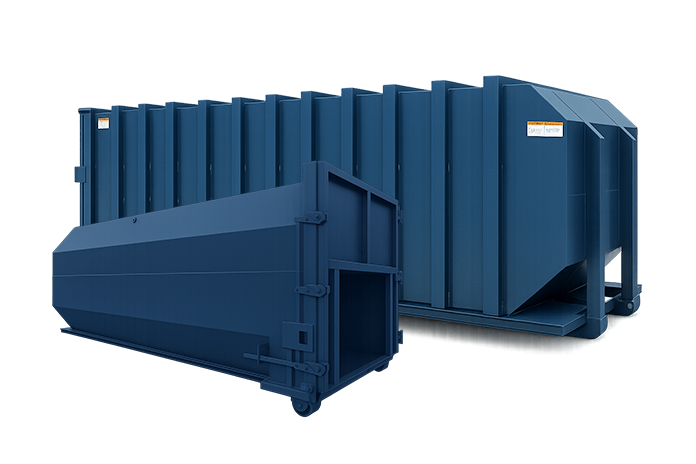
Garbage compactors are waste management machines designed to compress loose waste into smaller, denser loads. By reducing the volume of garbage, these machines help businesses, industrial facilities, residential properties, and municipal organizations manage waste more efficiently.
They are commonly used in shopping centers, warehouses, restaurants, manufacturing plants, apartment complexes, hospitals, and waste collection facilities. Depending on the equipment configuration, a garbage compactor can handle general waste, packaging materials, cardboard, and other suitable materials.
Understanding the different types of garbage compactor, their operating mechanisms, and their specifications helps businesses select equipment that meets their waste management requirements.
What Is a Garbage Compactor?
A garbage compactor is a mechanical or hydraulic machine that compresses waste into a smaller volume. It applies pressure to loose materials, reducing the space they occupy inside a container or compaction chamber.
Unlike ordinary waste containers, which simply store garbage, compactors actively compress materials. This allows facilities to accommodate more waste within a given storage area.
The primary purpose of a garbage compactor is to reduce waste volume, improve storage efficiency, and simplify waste collection.
Main Components of a Garbage Compactor
A typical garbage compactor consists of several components that work together during the compression process.
- Compaction chamber: The area where waste is collected and compressed.
- Hydraulic cylinder: Produces the force required to move the compaction plate.
- Compaction plate: Applies pressure to the waste materials.
- Hydraulic power unit: Supplies hydraulic pressure to operate the system.
- Control panel: Allows authorized operators to control the machine.
- Container: Stores compressed waste until collection or disposal.
- Safety mechanisms: Help prevent unsafe operation and protect operators.
The exact components depend on whether the equipment is stationary, self-contained, vertical, or mobile.
How Does a Garbage Compactor Work?
Garbage compactors use mechanical or hydraulic force to compress waste. Most commercial and industrial systems rely on hydraulic technology because it can generate substantial compression force.
The operating process generally follows several stages.
1. Waste Loading
Waste materials are placed into the compactor through an appropriate loading opening. Depending on the equipment design, materials may be loaded manually, through a chute, or using compatible handling equipment.
2. Compression
Once the waste reaches the appropriate loading level, the compaction cycle begins. A hydraulic cylinder moves the compaction plate against the waste, reducing the space occupied by the materials.
3. Waste Storage
Compressed materials remain inside the compaction chamber or connected container. Additional waste can be added according to the machine’s operating cycle and capacity.
4. Container Collection
When the container reaches its designated capacity, it can be emptied or transported for disposal or further processing. Some systems use removable containers, while others require collection through specialized equipment.
The compaction process reduces the physical volume of waste, but it does not eliminate the need for proper sorting, transportation, or disposal.
Types of Garbage Compactors
Garbage compactors are available in several configurations. Each type is designed for particular waste volumes, operating environments, and material-handling requirements.
1. Stationary Garbage Compactors
Stationary garbage compactors are permanently installed at a designated waste collection location. The compaction unit remains in place while waste is compressed into an attached or compatible detachable container.
These systems are commonly used by:
- Manufacturing facilities.
- Distribution centers.
- Shopping malls.
- Large retail stores.
- Commercial warehouses.
- Industrial properties.
Stationary compactors are particularly useful for businesses that generate consistent volumes of dry general waste.
2. Self-Contained Garbage Compactors
Self-contained garbage compactors combine the compaction equipment and waste container into an integrated unit.
Their enclosed design helps contain liquids and odors, making them suitable for locations where waste may contain moisture or food residue.
Common applications include:
- Restaurants and food processing facilities.
- Grocery stores and supermarkets.
- Hotels and hospitality businesses.
- Hospitals and healthcare facilities.
- Properties generating wet general waste.
The container and compactor are typically transported together when the unit is serviced.
3. Vertical Garbage Compactors
Vertical garbage compactors use a vertically moving compaction plate to compress waste inside a container or chamber.
They generally occupy less floor space than some horizontal systems, making them useful for businesses with limited installation areas.
Typical applications include smaller commercial facilities, retail locations, apartment buildings, and warehouses.
4. Portable Garbage Compactors
Portable garbage compactors are designed to be moved or repositioned according to operational requirements.
Depending on their configuration, they can support temporary projects, smaller facilities, and locations where a permanent installation is impractical.
5. Mobile Garbage Compactors
Mobile garbage compactors are associated with vehicle-mounted waste collection systems. They compress waste during transportation or collection operations.
These systems are commonly used in municipal waste collection, commercial waste transportation, and residential garbage collection.
Common Applications of Garbage Compactors
Garbage compactors serve a wide range of industries because businesses generate different types and quantities of waste.
Commercial Waste Management
Shopping centers, supermarkets, restaurants, and retail stores often produce substantial quantities of packaging, general waste, and discarded materials.
Commercial garbage compactors help reduce the volume of these materials before collection.
Industrial Facilities
Manufacturing plants and industrial warehouses generate waste such as packaging, scrap materials, and production-related refuse.
Suitable industrial compactors can improve waste storage arrangements and support organized material handling.
Residential Buildings
Apartment complexes and residential developments may use garbage compactors to manage waste generated by multiple households.
Centralized compaction can help reduce the space required for waste storage in designated collection areas.
Healthcare Facilities
Hospitals and healthcare facilities may use specialized compaction equipment for appropriate non-hazardous waste streams.
Medical, infectious, pharmaceutical, and other regulated waste must follow applicable handling and disposal requirements. Ordinary garbage compactors should not be used for these materials unless specifically designed and approved for that purpose.
Municipal Waste Collection
Municipal organizations use vehicle-mounted garbage compactors to collect and compress household waste during transportation.
These systems allow collection vehicles to carry compressed waste to designated disposal or processing facilities.
Benefits of Using a Garbage Compactor
Garbage compactors provide several practical advantages for organizations managing regular waste streams.
Reduced Waste Volume
The most significant benefit is the reduction in the space occupied by loose waste.
Compressed waste can fit into a smaller storage volume, helping facilities manage limited waste collection areas.
Improved Storage Efficiency
Compactors help businesses organize waste in designated containers instead of allowing loose materials to accumulate in multiple locations.
Potentially Fewer Collection Trips
When waste volume is reduced, containers may accommodate more material before reaching their collection threshold.
Depending on waste density, container capacity, and collection arrangements, this may reduce collection frequency.
Better Workplace Organization
A dedicated compaction area can help businesses maintain more organized waste handling operations.
Appropriate equipment placement and operating procedures can also reduce the accumulation of loose waste around collection points.
Improved Operational Planning
Garbage compactors provide businesses with a more structured way to handle recurring waste volumes.
This can support waste collection scheduling, container management, and facility maintenance planning.
Important Garbage Compactor Specifications
Selecting a garbage compactor requires evaluating several technical specifications. Equipment should match the type and quantity of waste generated by the facility.
| Specification | Why it matters |
|---|---|
| Compaction force | Determines the pressure applied during compression |
| Container capacity | Defines the available waste storage volume |
| Loading opening | Affects the size and type of waste that can be introduced |
| Power requirements | Determines electrical or hydraulic operating needs |
| Machine dimensions | Helps establish installation and clearance requirements |
| Cycle time | Indicates how long a compression cycle takes |
| Waste compatibility | Determines which materials the equipment can safely process |
| Safety features | Supports safer operation and maintenance |
Compaction Force
Compaction force describes the pressure generated by the machine’s hydraulic or mechanical system.
The required force depends on the waste material, its characteristics, and the intended operating conditions.
Container Capacity
Container capacity determines how much compressed waste can be stored before collection.
Businesses should consider both the container’s physical volume and the permitted weight of the collected materials.
Power Requirements
Some garbage compactors require an electrical supply to operate their hydraulic power units.
The required voltage, phase, power rating, and installation conditions should be confirmed before purchasing equipment.
Waste Compatibility
Not every compactor can process every material. Businesses should identify whether the equipment will handle cardboard, packaging, general waste, or other suitable materials.
Hazardous, pressurized, combustible, and regulated waste requires specialized handling rather than ordinary compaction.
Garbage Compactor vs. Garbage Compactor Truck
A stationary garbage compactor and a garbage compactor truck perform related but different functions.
A stationary compactor is installed at a facility to compress waste before collection. A garbage compactor truck collects waste and compresses it during transportation.
| Feature | Stationary garbage compactor | Garbage compactor truck |
|---|---|---|
| Main purpose | Compress waste at a fixed location | Collect and transport waste |
| Installation | Usually fixed at a facility | Vehicle-mounted |
| Mobility | Generally stationary | Mobile |
| Main application | Commercial and industrial waste storage | Municipal and commercial waste collection |
| Waste handling | Compresses waste into a container | Collects and compresses waste during collection |
Both systems can support waste management operations, but their selection depends on whether compression is needed at the collection point or during transportation.
How to Choose the Right Garbage Compactor
Choosing the appropriate equipment involves understanding waste generation patterns, available installation space, and operational requirements.
Evaluate Waste Type
The first step is identifying the materials the machine will process.
Businesses should consider whether their waste consists primarily of:
- General commercial waste.
- Cardboard and packaging.
- Food-related waste.
- Industrial refuse.
- Other suitable recyclable or non-recyclable materials.
Different materials require different equipment configurations.
Estimate Daily Waste Volume
Businesses should evaluate the amount of waste generated each day or week.
A facility with high waste generation may require a larger stationary or self-contained compactor, while a smaller business may benefit from a vertical system.
Consider Available Space
The installation area must accommodate the machine, container, loading access, maintenance clearance, and collection vehicle movements.
Review Operating Costs
Equipment selection should consider more than the initial purchase price.
Important cost factors include:
- Installation and electrical requirements.
- Routine maintenance.
- Replacement components.
- Electricity consumption.
- Container servicing and transportation.
- Operator training.
Check Safety and Compliance
The selected machine should include suitable guarding, emergency stops, interlocks, warning systems, and other protective features required for its design and applicable regulations.
Garbage Compactor Maintenance and Safety
Regular maintenance helps maintain equipment performance and reduces the likelihood of unexpected operational problems.
Important maintenance activities include:
- Inspecting hydraulic hoses and connections for leaks.
- Checking cylinders and moving components for damage.
- Inspecting the compaction plate and chamber.
- Monitoring hydraulic fluid according to manufacturer instructions.
- Testing emergency stops and safety interlocks.
- Cleaning the loading area and removing accumulated debris.
- Checking electrical components and control systems.
- Following recommended servicing intervals.
Safe Operating Practices
Operators should receive appropriate training before using garbage compaction equipment.
Key precautions include:
- Keeping hands and body parts away from the compaction chamber.
- Never bypassing safety interlocks or protective devices.
- Keeping unauthorized personnel away from operating equipment.
- Avoiding overloading beyond manufacturer specifications.
- Isolating power before maintenance or clearing blockages.
- Following lockout and tagout procedures where applicable.
Safety devices must remain functional, and maintenance should only be performed by appropriately trained personnel.
Frequently Asked Questions
What is the main purpose of a garbage compactor?
A garbage compactor reduces the volume of loose waste by applying mechanical or hydraulic pressure. It helps businesses store waste more efficiently and manage collection operations.
What are the main types of garbage compactors?
Common types include stationary, self-contained, vertical, portable, and mobile garbage compactors. Each configuration serves different operational requirements.
Are garbage compactors suitable for commercial businesses?
Yes. Retail stores, restaurants, warehouses, shopping centers, and other commercial facilities can use appropriately selected compactors to manage regular waste generation.
Do garbage compactors reduce waste disposal costs?
They may reduce costs associated with waste storage and collection frequency. Actual savings depend on waste volume, collection agreements, equipment expenses, and operating conditions.
What materials can a garbage compactor process?
Depending on its design, a compactor may process general waste, cardboard, packaging, and other suitable materials. Hazardous or regulated waste requires specialized equipment and procedures.
How often should a garbage compactor be serviced?
Service frequency depends on equipment design, operating hours, waste type, and manufacturer recommendations. Regular inspections should be combined with scheduled preventive maintenance.
Conclusion
Garbage compactors are valuable waste management machines for businesses, industrial facilities, residential properties, and municipal organizations. They compress loose materials into smaller volumes, helping improve waste storage and collection arrangements.
Different configurations, including stationary, self-contained, vertical, and mobile compactors, address different waste-handling requirements.
Selecting the right garbage compactor requires evaluating waste type, daily volume, container capacity, compaction force, installation space, and safety features. With appropriate equipment selection and regular maintenance, businesses can establish a more organized and efficient waste management process.
