
From Digital Artwork to Thread: The Role of Embroidery Digitizing in Modern Apparel
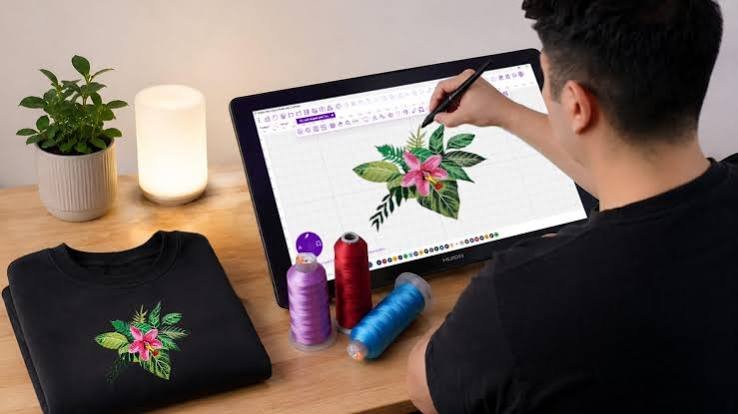
Custom embroidery has become an effective way for businesses, fashion brands, and organizations to make their products more distinctive. From personalized clothing to branded workwear, embroidered designs offer a professional appearance and long-lasting visual appeal. However, behind every successful embroidered logo is a carefully prepared digital file.
This is where embroidery digitizing plays an important role. It converts artwork into instructions that an embroidery machine follows to reproduce a design using thread. The quality of this process can influence the clarity, texture, durability, and overall appearance of the finished product.
For businesses that depend on embroidery for branding or product manufacturing, understanding digitizing can help them make better decisions and achieve more consistent results.
Why Embroidery Requires More Than a Digital Image
A digital logo may look perfect on a computer screen, but thread behaves differently from pixels. Fine lines can become difficult to reproduce, small text may lose readability, and overlapping shapes can create unwanted bulk.
Embroidery digitizing addresses these challenges by translating visual elements into stitch patterns. The digitizer determines which stitch types are suitable, how different sections should connect, and how the machine should move across the fabric.
Factors such as material thickness, design dimensions, thread characteristics, and garment placement all influence these decisions. A well-prepared file accounts for these practical requirements rather than simply copying the original artwork.
How Custom Embroidery Digitizing Supports Different Projects
Every embroidery project has its own requirements. A small logo on a uniform needs a different approach from a detailed illustration covering the back of a jacket.
Custom embroidery digitizing allows designs to be prepared according to the intended application.
Business Logos and Corporate Clothing
Companies frequently use embroidered logos on uniforms, polo shirts, aprons, and workwear. These designs need to remain recognizable across multiple garments and production batches.
A digitizer can adjust lettering, borders, stitch direction, and spacing to help maintain the logo’s appearance. Where the original artwork contains extremely small details, minor modifications may be necessary to achieve a clean embroidered result.
Fashion and Streetwear
Clothing brands often use embroidery to add texture and character to their collections. Decorative lettering, symbols, and custom artwork can help products stand out without relying entirely on printed graphics.
The digitizing process must consider how the design will look and feel on the garment. Stitch density, placement, and the size of filled areas can affect both the visual result and the flexibility of the fabric.
Caps and Headwear
Caps present specific challenges because their front panels are curved and may have limited space for embroidery. Designs must be planned with the cap’s structure and the direction of stitching in mind.
Suitable stitch sequencing and adjustments to the design can help reduce distortion and improve the appearance of embroidered logos.
Jackets and Large Embroidered Designs
Large designs require careful planning to balance coverage, texture, and garment comfort. Excessive stitching can make an embroidered area unnecessarily heavy, while insufficient coverage may affect the finished appearance.
A properly prepared file considers the dimensions of the design and the characteristics of the material before production begins.
The Technical Decisions Behind a Good Stitch File
Although the finished embroidery may appear simple, several technical decisions contribute to its quality.
Selecting the Right Stitch Structure
Running stitches, satin stitches, and fill stitches each serve different purposes. Running stitches are useful for fine outlines, satin stitches often work well for narrow lettering and borders, and fill stitches cover larger areas.
Choosing the right structure helps reproduce the artwork while accounting for the limitations of thread-based designs.
Managing Stitch Density
Stitch density determines how closely the stitches sit together. If the density is too high, the design may become stiff or cause puckering. If it is too low, the underlying fabric may show through.
The appropriate setting depends on the material, design size, thread, and backing used during embroidery.
Accounting for Fabric Movement
Fabric can shift or stretch while an embroidery machine operates. Digitizers may use underlay and pull compensation to help maintain the intended shape.
These adjustments are especially important for lettering, narrow outlines, and designs that require precise alignment. The final outcome also depends on hooping, stabilizer selection, and machine settings.
Planning the Stitching Order
The sequence in which design elements are embroidered can affect alignment, thread changes, and the overall finish.
A logical sequence helps the machine complete the design efficiently while reducing unnecessary movement. It can also improve how overlapping colors and shapes appear in the final product.
Common Embroidery Digitizing Mistakes to Avoid
Poorly prepared stitch files can create problems that become expensive when discovered during bulk production. Understanding common mistakes can help businesses avoid unnecessary delays.
- Using artwork without considering embroidery limitations: Very thin lines and tiny details may not translate well into thread.
- Ignoring the fabric type: Settings suitable for a stable woven material may not work equally well on stretch fabric or thick outerwear.
- Applying excessive stitch density: Too many stitches can increase stiffness, thread consumption, and the risk of fabric distortion.
- Resizing files without proper adjustments: Changing a design’s dimensions can affect stitch coverage and detail.
- Skipping sample testing: A test stitch-out can reveal issues that are not obvious when viewing the design on a screen.
Working with an experienced digitizer and testing the design on the intended material can help identify these problems before production starts.
How to Prepare Your Artwork for Digitizing
Customers can help streamline the process by providing clear project information before submitting their designs.
Start with the best available version of your logo or artwork. Vector files are often helpful because they preserve clean shapes, although high-resolution raster images may also be suitable.
Next, specify the finished design dimensions and where the embroidery will appear. Mention whether the design is intended for a cap, shirt, jacket, patch, or another product.
It is also useful to identify the embroidery machine or required file format. Formats such as DST, PES, EXP, and JEF are used by different machine systems, so the correct format should be confirmed in advance.
Finally, explain any special requirements, including thread colors, lettering, or placement restrictions. Providing this information helps the digitizer make appropriate technical decisions from the beginning.
Choosing an Embroidery Digitizing Partner
A suitable digitizing provider should understand both artwork and the practical requirements of embroidery production. Before selecting a service, review its experience with different design categories, available file formats, communication process, and revision options.
Ask how the provider handles complex logos, small text, curved surfaces, and designs intended for different fabrics. If your business regularly processes large orders, consistent results and dependable turnaround times may also be important.
Businesses looking for professional digitizing solutions can explore Risedigitizing to learn more about preparing artwork for embroidery projects.
The right provider should focus on creating a stitch file that suits the intended product, not simply converting an image into a machine-readable format.
Conclusion
Embroidery quality begins long before the machine starts stitching. The preparation of the digital file determines how artwork is translated into thread, making digitizing a key part of the production process.
From corporate uniforms and branded merchandise to fashion apparel and custom headwear, carefully planned embroidery designs can help businesses achieve cleaner details and more consistent results.
By understanding stitch structures, fabric requirements, design dimensions, and sample testing, businesses can make more informed decisions about their embroidery projects. Investing in professional embroidery digitizing and application-specific design preparation helps turn creative ideas into practical embroidery files ready for production.
