
Early Detection and Treatment Options for Melanoma
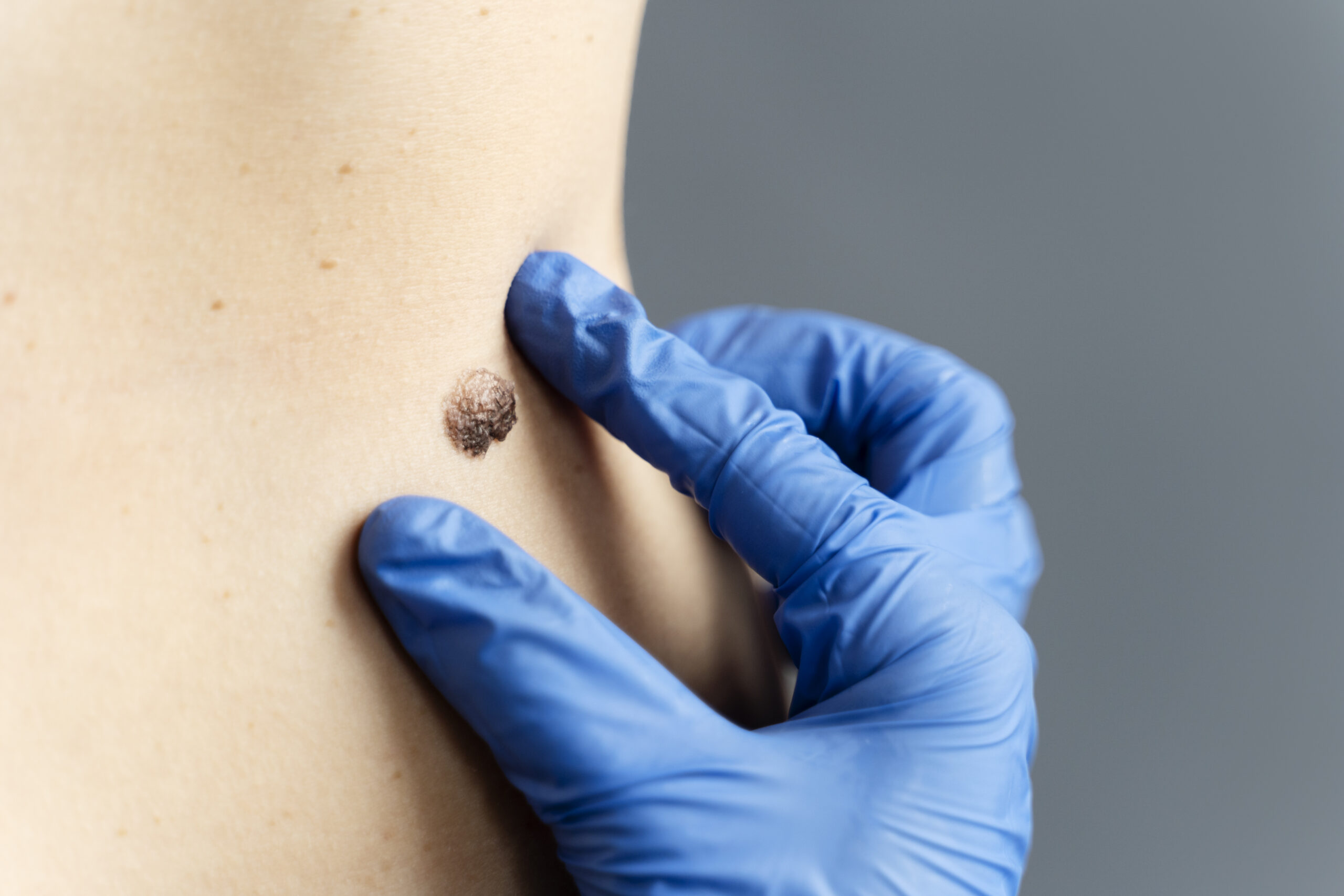
Melanoma is a type of skin cancer that develops when pigment-producing cells, known as melanocytes, grow abnormally. Early detection plays an important role in managing this condition and understanding suitable care options. People looking for melanoma cancer treatment in Canberra should understand the warning signs, diagnostic procedures and available treatment approaches. Regular skin checks, awareness of unusual skin changes and timely medical advice can help identify suspicious areas early. Knowing what to expect can also help patients make informed decisions about their skin health.
1. What Is Melanoma and Why Does Early Detection Matter?
Melanoma develops in the cells responsible for producing melanin, the pigment that gives skin its colour. Although it can develop in different parts of the body, it most commonly appears on the skin.
Exposure to ultraviolet (UV) radiation from sunlight and tanning beds is an important risk factor. People with a history of sunburn, multiple moles or a family history of melanoma may have a higher risk.
Early detection is important because melanoma can spread to other parts of the body if it progresses. When doctors identify melanoma at an early stage, treatment options are generally more straightforward.
2. Common Warning Signs of Melanoma
Recognising unusual changes in your skin can help you seek medical advice at the right time. Melanoma may develop from an existing mole or appear as a new spot.
The ABCDE method is a useful way to understand some common warning signs:
- A for Asymmetry: One half of the mole looks different from the other half.
- B for Border: The edges appear irregular, uneven or poorly defined.
- C for Colour: The spot has different shades of brown, black, red, white or blue.
- D for Diameter: The spot may be larger than 6 mm, although melanoma can also be smaller.
- E for Evolving: The mole changes in size, shape, colour or appearance over time.
Other warning signs include itching, bleeding, crusting or a sore that does not heal. Not every changing spot is melanoma, but it is important to have unusual skin changes assessed by a qualified medical professional.
3. Importance of Regular Skin Checks
Regular skin checks help people become familiar with their skin and notice changes that may need medical attention.
You can examine your skin at home by checking your face, neck, arms, legs, back and other areas. Using a mirror can help you see areas that are difficult to inspect.
Professional skin examinations provide a more detailed assessment. A doctor may examine suspicious moles and spots using specialised equipment such as a dermatoscope.
People with increased risk factors may need more frequent checks. Your doctor can recommend a suitable schedule based on your personal and medical history.
4. How Is Melanoma Diagnosed?
If a doctor notices a suspicious spot during a skin examination, they may recommend further investigations.
Common diagnostic steps include:
Physical Skin Examination: The doctor examines the size, shape, colour and appearance of suspicious spots.
Dermatoscopy: A specialised magnifying device helps the doctor examine skin structures more closely.
Skin Biopsy: If melanoma is suspected, the doctor may remove the suspicious area or take a suitable tissue sample for laboratory examination.
Further Tests: Depending on the biopsy results and suspected stage, additional investigations may help determine whether melanoma has spread.
An accurate diagnosis helps doctors understand the condition and recommend suitable treatment options.
5. Understanding Melanoma Cancer Treatment Options
The right approach to melanoma cancer treatment depends on several factors, including the stage, thickness and location of the melanoma, whether it has spread and the patient’s overall health.
Some commonly used treatment approaches include:
Surgical Removal
Surgery is the main treatment for many early-stage melanomas. The doctor removes the melanoma along with a margin of surrounding skin to reduce the risk of cancer cells remaining in the area.
The exact surgical approach depends on the melanoma’s characteristics and location.
Immunotherapy
Immunotherapy uses medicines that help the body’s immune system recognise and attack cancer cells. Doctors may recommend this treatment for certain patients with higher-risk or advanced melanoma.
Targeted Therapy
Targeted therapy uses specific medicines that act on certain changes within cancer cells. Doctors may consider this option when testing identifies particular genetic changes, such as a BRAF mutation.
Radiation Therapy
Radiation therapy uses high-energy radiation to damage cancer cells. Doctors may recommend it in selected situations, depending on the melanoma’s stage, location and treatment history.
Not every patient requires all these treatments. A specialist will explain the suitable options, possible benefits and side effects.
6. What Happens After Melanoma Treatment?
Follow-up care remains important after melanoma treatment. Doctors may recommend regular skin examinations and lymph node checks to monitor recovery and identify any signs of recurrence.
Patients should also become familiar with their skin and report new or changing spots to their healthcare provider.
Depending on the original melanoma stage and treatment, follow-up may include additional medical examinations or imaging tests.
Following medical advice and attending scheduled appointments can support ongoing care and monitoring.
7. Protecting Your Skin from Future Damage
Sun protection is an important part of maintaining healthy skin. Simple daily habits can help reduce exposure to harmful UV radiation.
Consider these practical steps:
- Apply broad-spectrum SPF 50 or 50+ sunscreen and reapply as directed.
- Wear protective clothing, sunglasses and a wide-brimmed hat.
- Seek shade when UV levels are high.
- Avoid indoor tanning beds.
- Check your skin regularly for unusual changes.
- Arrange professional skin examinations when recommended.
These habits are useful for people of different ages and skin types.
8. Finding Skin Cancer Care in Canberra
If you notice a new mole, changing spot or unusual skin growth, consider arranging a professional skin assessment. Early medical advice can help determine whether further examination or testing is necessary.
Patients can also learn more about Dr Senthil Kumaar’s professional background and skin cancer services through his HotDoc profile.
Choosing an appropriate healthcare professional helps you understand your concerns, diagnostic options and possible next steps.
Frequently Asked Questions (FAQs)
1. What is the first sign of melanoma?
A new or changing mole or skin spot can be an early warning sign. Changes in colour, shape, size or texture should be assessed by a medical professional.
2. Is melanoma treatable if detected early?
Many early-stage melanomas can be treated successfully, often with surgery. The outcome depends on the melanoma’s characteristics and individual circumstances.
3. How is melanoma different from other skin cancers?
Melanoma develops in pigment-producing cells called melanocytes. Other common skin cancers, such as basal cell carcinoma and squamous cell carcinoma, develop in different types of skin cells.
4. How often should I get a professional skin check?
The recommended frequency depends on your skin type, medical history and individual risk factors. Your doctor can suggest an appropriate examination schedule.
5. Can melanoma return after treatment?
Yes, melanoma can sometimes return after treatment. Regular follow-up appointments and monitoring help doctors identify possible recurrence or new skin changes.
Conclusion
Understanding melanoma, recognising early warning signs and seeking timely medical advice are important steps in protecting your skin health. From professional skin examinations to diagnostic procedures and different treatment approaches, early assessment helps doctors make informed care decisions. If you notice unusual skin changes or need guidance about a suspicious spot, consider seeking professional advice. Canberra Skin Cancer Clinic supports patients across Canberra with skin cancer screening, assessment and treatment services. Contact the clinic today to discuss your skin health concerns and arrange an appointment.