
Dermal Fillers in Dubai: The Honest Map What They Change
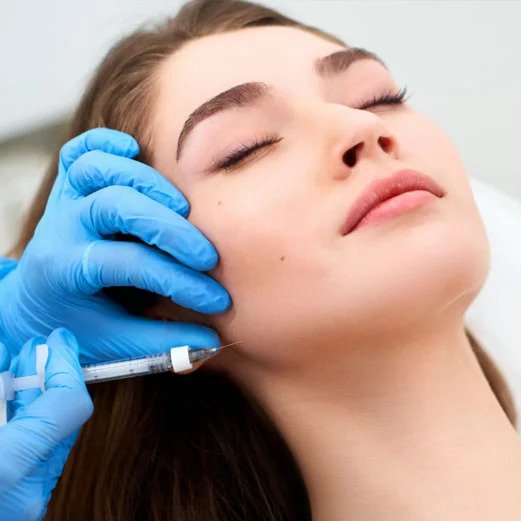
Dermal Fillers in Dubai are sold as quick solutions, yet the patients who stay happiest with them are told the truth about their limits before the first syringe is opened. Fillers restore volume, soften lines, and shape contours, and nothing else is their real job. Understanding precisely where the achievable ends is the foundation of a result the patient actually recognises in the mirror.
Fillers in Dubai have become a daily part of modern aesthetics, and the ordinary visibility of the procedure has bred a dangerous assumption that every face is the same job. The realistic conversation begins with how much weakness a filler can address, how much it cannot, and which parts of the ageing face it was never designed to touch.
A Dermal Fillers Treatment in Dubai should therefore begin with a map rather than a sales list: what will be added, where it will sit, and what the patient must not expect. This guide draws that map clearly, so that the appointment, the result, and the honest follow-up all live inside realistic expectations.
The Real Job of a Filler
The honest definition of the treatment is architectural: it adds volume to areas where the face has lost it and softens lines that form because that structure is gone. Cheeks that have flattened, temples that have hollowed, and lines that folded across deflated skin are the classic territory where Dermal Fillers in Dubai provide their most convincing work.
What the treatment cannot do is as important as what it can. Deep lines that are partly an expression habit, loose skin that has lost its elasticity, and damage written over decades of sun exposure respond to volume only in part, and an honest clinician refuses to paper over those realities with a larger syringe.
How the Best Results Are Designed
Starting From the Face, Not the Catalogue
The strongest results begin with the clinic asking what the patient does not like, then checking what the face can actually support rather than the reverse order. Photography, movement, and a review of ageing patterns give the plan its shape, and that individual reading of the face is the difference between art and assembly.
The Economics of Volume
Adding volume in the right places changes the reading of the entire face, while adding it in the wrong ones invites the stretched look patients recognise at once. The disciplined practitioner uses the natural shadows and angles of the individual face as the guide, which usually means less product and a better outcome.
The Different Regions and What Each One Needs
The cheeks, the jawline, the undereyes, and the lips are separate jobs with separate rules, and a clinic that treats them with one routine is working from a menu. The undereye, for example, sits directly over thin skin and demands both restraint and precision, while a jawline needs structure that matches the bone beneath it.
Patients should walk away understanding which areas were chosen and why the doctor declined others. A treatment that respects the map of the individual face is usually smaller in volume and larger in effect, and that ratio is the signature of careful work everywhere.
How Perla Dermatology Clinic Can Help
Perla Dermatology Clinic plans every treatment around the individual architecture of the face, and the consultation is where the honest map is drawn. Patients receive a clear description of what will change, what will not, and what the maintenance will look like before a single decision is requested.
The clinic is led by Dr. Inas Musa, a specialist dermatologist with more than fifteen years of experience in aesthetic medicine, so the person who promises the result is the person who plans and performs it. That continuity is the most reliable guarantee in this field and the reason the clinic plans so many treatments year after year.
Every appointment at Perla Dermatology Clinic follows the same standard: genuine product documentation, a careful technique, and a scheduled review so the result can be read in the light of the face rather than the enthusiasm of the day.
Fillers in Dubai: Natural Steps After the Appointment
Fillers in Dubai become memorable for the patients who treat them as part of a maintenance rhythm rather than a single dramatic event. A yearly or two-yearly refresh keeps the architecture of the face consistent, and consistent architecture is what reads as effortless.
The Differences Between Filler and Lifting
The constant confusion in aesthetics is between adding volume and removing slack. Loose skin is addressed by energy-based tightening and lifting techniques, while fillers fill; the two are partners in a full plan, never interchangeable substitutes for one another.
A single treatment rarely contains everything, and the honest clinic says which neighbouring tool belongs in the plan at all. Patients who accept an integrated view of the ageing face protect both their results and their budgets from the fantasy of a single miracle product.
Most faces arrive at a clinic with a mixture of needs rather than a single request, and the plan that respects that mixture travels further than the one selling a universal answer. The combination of volume, tightening, and the daily routine is common, and naming the combination honestly on the first visit protects the patient from imagining that one afternoon can carry a whole decade of change.
The Filler-Free Months and the Decision to Return
The gradual return of the face to its pre-treatment state is the natural end of every plan, and patients who know that shape in advance never blame the clinic later. The review at the maintenance point is the moment the honest plan proves itself again.
The decision to continue should be taken every time, at full information, and a clinic that still explains the alternatives on visit four as clearly as on visit one has earned its place in the patient’s routine. That consistency is rare, and it is exactly what makes a maintained patient a happy one.
Dermal Fillers Treatment in Dubai: Choosing the Place With Care
A Dermal Fillers Treatment in Dubai offered as a transaction rather than a planned procedure deserves caution, while one offered with a stable practitioner, honest photography, and a realistic answer to every question is simply a medical consultation. The difference between the two is visible in a single conversation.
Frequently Asked Questions
How long does a typical result last?
Fillers differ by product and area, but most results are measured in months rather than years, with maintenance visits restoring the architecture of the face at the right distance. The doctor builds the schedule from how the individual face metabolises the product, which is more reliable than a printed average.
What happens during the first appointment?
The consultation covers the concern, the face, the photographs, and the plan before anything is prepared. The patient is invited to ask, the risks are named plainly, and the agreement is reached in full information, so that the treatment itself is the calm conclusion of the conversation rather than its beginning.
Is the treatment painful?
Comfort is managed with modern preparations and careful technique, and the sensation is closer to small pinches than to sharp pain. The bigger difference is made by the doctor’s pacing, which is why a practitioner who treats the appointment as a calm routine rather than a race produces noticeably more relaxed patients.
What are the signs of a bad result?
Swelling, bruising, and a temporary unevenness have natural explanations, while persistent itching, an unnatural shape, or pain beyond the norm requires prompt review rather than patience. A responsible clinic asks to be informed early, because early attention is the cheapest form of correction.
Can earlier filler be removed if I change my mind?
Some product families can be dissolved, which makes a poorly placed result a problem with a solution rather than a sentence. The careful plan remains the better strategy, because removal is an extra step where none needed to happen.
How should I choose between clinics?
The comparison points are not the price per syringe but the physician, the documentation, and the follow-up. Patients who move through that list in order tend to make the same calm choice every time, and the choice usually costs less than the average marketing offer.
Conclusion
The honest map of this treatment is short and easy to keep: it adds what is missing, softens lines that formed over lost structure, and leaves everything else to its proper tool. Patients who arrive already knowing that frontier choose well and stay satisfied.
The checklist of a careful appointment is equally short: a named physician, a documented product, written instructions, and a scheduled review. Those four details cost nothing to verify and their presence changes the character of the decision from a purchase into a medical plan.
The face ages as an integrated landscape, not as a list of separate annoyances, and the plans that respect that unity tend to be the ones that read as natural. Adding the right volume in the right place remains the quiet signature of the field.
Patients who keep the maintenance rhythm, compare day-old photographs, and ask the same questions on the fourth visit as on the first protect their results from drift. The disciplined routine is cheaper in money and in worry than any emergency correction.
Perla Dermatology Clinic is comfortable with honest questions, because honest questions produce informed patients and informed patients produce the natural results the clinic is known for. The face is mapped, the plan is stated, and the review is kept.
Choosing the treatment from a position of knowledge rather than persuasion is the entire difference between an aesthetic decision and a commercial one. The honest map drawn before the syringe becomes the satisfied face seen in the mirror long after it.
