
Building Waterproofing: Effective Solutions for Long-Lasting Building Protection
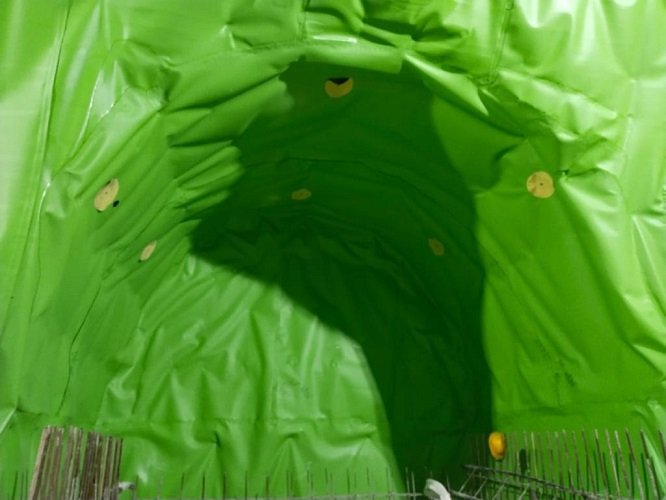
Building waterproofing is an essential part of construction and property maintenance. It helps prevent unwanted water penetration through foundations, basements, roofs, terraces, external walls, and other vulnerable building areas. Effective waterproofing can reduce dampness, protect interior finishes, and help preserve the durability of building materials. Residential properties, commercial complexes, industrial facilities, and infrastructure projects may all require appropriate waterproofing systems. Selecting the right solution depends on the building design, site conditions, water exposure, construction materials, and project specifications.
What Is Building Waterproofing?
Building waterproofing involves applying or installing materials designed to reduce water penetration into building structures. Common systems include liquid-applied coatings, bituminous membranes, cementitious waterproofing products, polymer-based membranes, and suitable sheet-based lining materials.
Each system is designed for particular applications. For example, a basement exposed to groundwater may require a different waterproofing design from an exposed terrace or an internal bathroom. The selection process should consider water pressure, surface movement, chemical exposure, drainage, and compatibility with the existing substrate. A suitable system should be selected according to the actual building conditions rather than using the same material for every application.
Common Areas That Require Building Waterproofing
Foundations and basements can be vulnerable to groundwater and moisture moving through surrounding soil. Appropriate waterproofing and drainage measures can help protect these areas, particularly where water pressure or persistent dampness is a concern.
Roofs and terraces are exposed to rain, sunlight, and temperature changes. Waterproofing systems can help reduce leakage through cracks, joints, and surface defects. Bathrooms, kitchens, balconies, and utility areas may also require waterproofing to limit water penetration into adjoining walls, floors, and rooms.
External walls and retaining structures can be affected by rainwater, soil moisture, and construction joints. The correct waterproofing approach depends on the structure’s design, the direction of water exposure, and the available drainage arrangements.
Benefits of Effective Building Waterproofing
A properly designed and installed waterproofing system helps limit water ingress and reduce the risk of moisture-related damage. This can help protect plaster, paint, flooring, insulation, concrete, and other building components from deterioration associated with persistent dampness.
Waterproofing can also support better building maintenance by addressing leakage pathways before they cause more extensive damage. In below-ground structures, a suitable system can form part of a broader strategy for managing groundwater and protecting usable interior space. Performance depends on material suitability, workmanship, detailing, and maintenance, so waterproofing should be treated as part of the overall building design.
Choosing the Right Waterproofing Material
Choosing a building waterproofing material requires an understanding of where it will be installed and the conditions it must withstand. Important considerations include the substrate, expected water pressure, exposure to sunlight, structural movement, temperature changes, and contact with chemicals or soil.
Liquid-applied products can be useful for certain complex surfaces and detailed areas. Sheet membranes may be suitable where a continuous lining can be installed with properly designed seams and terminations. Cementitious systems may be considered for selected concrete and masonry applications. Geomembranes are low-permeability sheet materials that may be suitable for specific building or infrastructure applications when their properties and installation requirements match the design.
Before choosing a product, review its technical documentation, application instructions, compatibility, and intended use. For complex projects, consult a qualified waterproofing specialist or building professional to determine the appropriate system.
Importance of Proper Installation
Correct installation is crucial to the performance of any building waterproofing system. The substrate should be inspected and prepared according to the selected product’s requirements. Loose material, dust, oil, and other contaminants should be removed, while cracks, weak areas, and defective joints should be repaired using suitable methods.
Special attention should be given to construction joints, pipe penetrations, wall-to-floor junctions, roof outlets, parapets, and other transitions. These areas can become common leakage points if they are not detailed correctly. Waterproofing materials should be installed at the specified coverage or thickness and allowed to cure as required by the manufacturer’s instructions.
The completed system should be inspected for gaps, damage, incomplete coverage, and other defects. Any water testing should follow the approved project procedure and account for structural loading and safety requirements.
Building Waterproofing for Residential and Commercial Projects
Residential buildings often require waterproofing for bathrooms, balconies, terraces, foundations, and basement areas. Choosing a suitable system can help protect living spaces and reduce the risk of damp walls, peeling paint, and water-damaged finishes.
Commercial buildings, offices, hospitals, warehouses, and industrial properties may require waterproofing across larger or more complex areas. These projects can involve basements, service rooms, roofs, retaining walls, and water-related infrastructure. A project-specific assessment helps establish the correct materials, installation sequence, and inspection requirements.
Why Consider D L Millar and Company Limited?
D L Millar and Company Limited, associated with the Dr. Millars name, has a business history dating back to 1929 and supplies geomembrane solutions for infrastructure and waterproofing applications. Customers planning building waterproofing work can contact the company to discuss project needs and request information about available products.
The right product depends on the intended application, building materials, exposure conditions, and project specifications. When enquiring, provide details about the area to be waterproofed, the type of structure, existing leakage issues, and any technical requirements. Confirm current product availability, documented specifications, and suitability for the proposed use directly with the company before placing an order.
Conclusion
Building waterproofing plays an important role in protecting structures from water penetration and moisture-related damage. Effective results depend on selecting an appropriate waterproofing system, preparing the surface correctly, installing the material according to its technical requirements, and maintaining suitable drainage.
From foundations and basements to roofs and terraces, each area requires a solution suited to its particular conditions. D L Millar and Company Limited can be contacted for information about available geomembrane and waterproofing products. Always confirm that the selected material is suitable for the specific building application.
Frequently Asked Questions
1. What is building waterproofing?
Building waterproofing is the process of using suitable materials and construction methods to help prevent water from penetrating foundations, walls, roofs, basements, and other building areas.
2. Why is waterproofing important in construction?
Waterproofing helps reduce leakage, dampness, and moisture-related deterioration. It can protect building finishes and components when the system is correctly selected and installed.
3. Which areas of a building need waterproofing?
Common areas include roofs, terraces, basements, foundations, bathrooms, balconies, retaining walls, and other locations exposed to water or moisture.
4. Can geomembranes be used for building waterproofing?
Certain geomembranes may be suitable for specific building or infrastructure applications. Their use depends on the material specifications, installation method, and requirements of the project.
5. How can I choose a suitable building waterproofing solution?
Assess the location, substrate, water exposure, structural movement, and drainage conditions. Consult a qualified professional and confirm the product’s technical specifications before installation.
Contact D L Millar and Company Limited
Company: D L Millar and Company Limited (Dr. Millars)
Address: Flat No. 303, 3rd Floor, Elite House-36, Community Center, Zamroodpur, New Delhi-110048, India
Phone: +91 8700518400
Email: dlmillars@gmail.com
Website: https://drmillars.co.in/
