
What Are the Warning Signs of a Failing Electrical System?
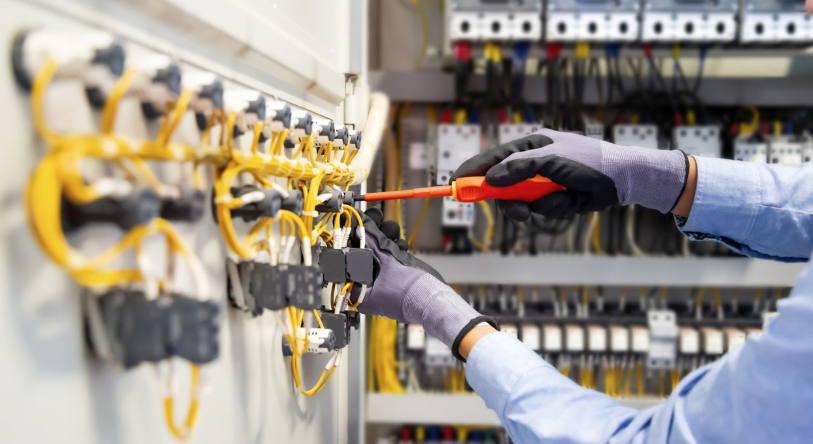
Electrical problems can develop gradually, making them easy to overlook until they become serious. Homeowners who notice unusual electrical behavior should consider professional Electrical troubleshooting Longview, TX to identify potential problems early. Flickering lights, frequent breaker trips, burning smells, and damaged outlets can all indicate that an electrical system needs attention. Recognizing these warning signs can help protect your home, appliances, and family from electrical hazards.
Flickering or Dimming Lights
Lights that flicker, dim, or suddenly become brighter may indicate an electrical issue. A loose connection, overloaded circuit, faulty switch, or wiring problem can cause inconsistent power. While an occasional flicker may be related to a temporary issue, repeated changes should not be ignored.
Pay attention to whether the problem affects one light or several fixtures throughout the home. If multiple lights flicker at the same time, the issue may involve a larger part of the electrical system. A qualified electrician can inspect the wiring and connections to determine the cause.
Frequent Circuit Breaker Trips
Circuit breakers are designed to protect electrical circuits from excessive current. If a breaker trips occasionally because several high-powered appliances are operating at once, the circuit may simply be overloaded. However, frequent trips can indicate a more serious problem.
Repeated breaker trips may result from faulty appliances, short circuits, damaged wiring, or circuits that cannot safely handle the electrical load. Resetting the breaker repeatedly without identifying the underlying cause can create additional risks. Professional inspection can help determine why the breaker is activating.
Burning Smells or Scorch Marks
A burning odor near an outlet, switch, electrical panel, or appliance should be treated as an urgent warning sign. Electrical components can become overheated when connections are loose, circuits are overloaded, or wiring is damaged.
Scorch marks, discoloration, melted plastic, or visible heat damage around outlets and switches can also indicate overheating. These signs should not be covered or ignored. If you notice smoke or an active electrical fire, leave the area and contact emergency services rather than attempting to handle the situation yourself.
Buzzing or Crackling Sounds
Electrical systems should generally operate quietly. Buzzing, humming, sizzling, or crackling sounds coming from outlets, switches, fixtures, or the electrical panel may indicate loose connections, damaged components, or other electrical faults.
Even if the sound is faint, it is worth investigating when it happens repeatedly. Electrical arcing can produce unusual sounds and generate heat. A professional electrician can inspect the affected area and determine whether repairs are necessary.
Warm or Shocking Outlets
Outlets and switches should not normally feel hot to the touch. Warmth may indicate an overloaded circuit, loose wiring, or a problem with the electrical device. An outlet that gives even a mild shock when touched is another warning sign that should not be dismissed.
Avoid using an outlet that appears damaged, feels unusually warm, or produces a shock. Professional evaluation can help identify whether the problem involves grounding, wiring, or the outlet itself.
Damaged or Outdated Wiring
Old, cracked, frayed, or exposed wiring can create serious electrical concerns. Wiring insulation may deteriorate over time due to age, heat, pests, moisture, or physical damage.
Older homes may also have electrical systems that were designed for lower power demands than modern households require. Today’s homes often use numerous computers, kitchen appliances, entertainment devices, heating and cooling equipment, and charging systems. An outdated electrical system may need improvements to safely support these demands.
Sparks From Outlets or Switches
A small spark can sometimes occur when certain electrical devices are plugged in or unplugged. However, large sparks, sparks accompanied by smoke or burning odors, or sparks that happen repeatedly should be investigated.
Sparking may result from damaged outlets, loose connections, faulty appliances, or wiring problems. Avoid repeatedly using a problematic outlet until it has been inspected.
Loose Outlets and Switches
Outlets or switches that move when plugs are inserted or removed may have loose mounting or internal connections. Movement can place stress on wiring and electrical components.
Loose outlets should not simply be tightened without determining whether the wiring behind them is secure. A professional can check the connection and ensure the device is installed correctly.
Power Surges and Electrical Interruptions
Unexpected power surges, brief outages, or recurring interruptions inside the home may also indicate electrical problems. These issues can sometimes originate from the utility supply, but they can also involve internal wiring, panels, connections, or overloaded circuits.
Frequent disruptions can affect sensitive electronics and appliances. If interruptions happen repeatedly, documenting when they occur can help an electrician identify possible patterns.
Why Early Electrical Inspections Matter
Ignoring electrical warning signs can allow a minor problem to become more complicated. Loose connections, damaged wiring, and overloaded circuits may continue to deteriorate when they are not addressed.
An electrical inspection can help identify unsafe components and determine whether repairs, replacements, or system upgrades are appropriate. Professionals can also evaluate the electrical panel, outlets, switches, wiring, grounding, and circuit capacity.
Protect Your Home by Acting Early
Electrical problems rarely improve when warning signs are repeatedly ignored. Flickering lights, tripping breakers, burning odors, buzzing sounds, hot outlets, damaged wiring, and unexplained power interruptions deserve attention.
Homeowners should avoid attempting complex electrical repairs without the appropriate training and equipment. Instead, professional electrical troubleshooting can help locate the source of a problem and determine the safest solution. Addressing electrical concerns early can improve system reliability while reducing the possibility of property damage and electrical hazards.

