
7 Winter Maintenance Tips to Keep Commercial Refrigeration Systems Running Efficiently
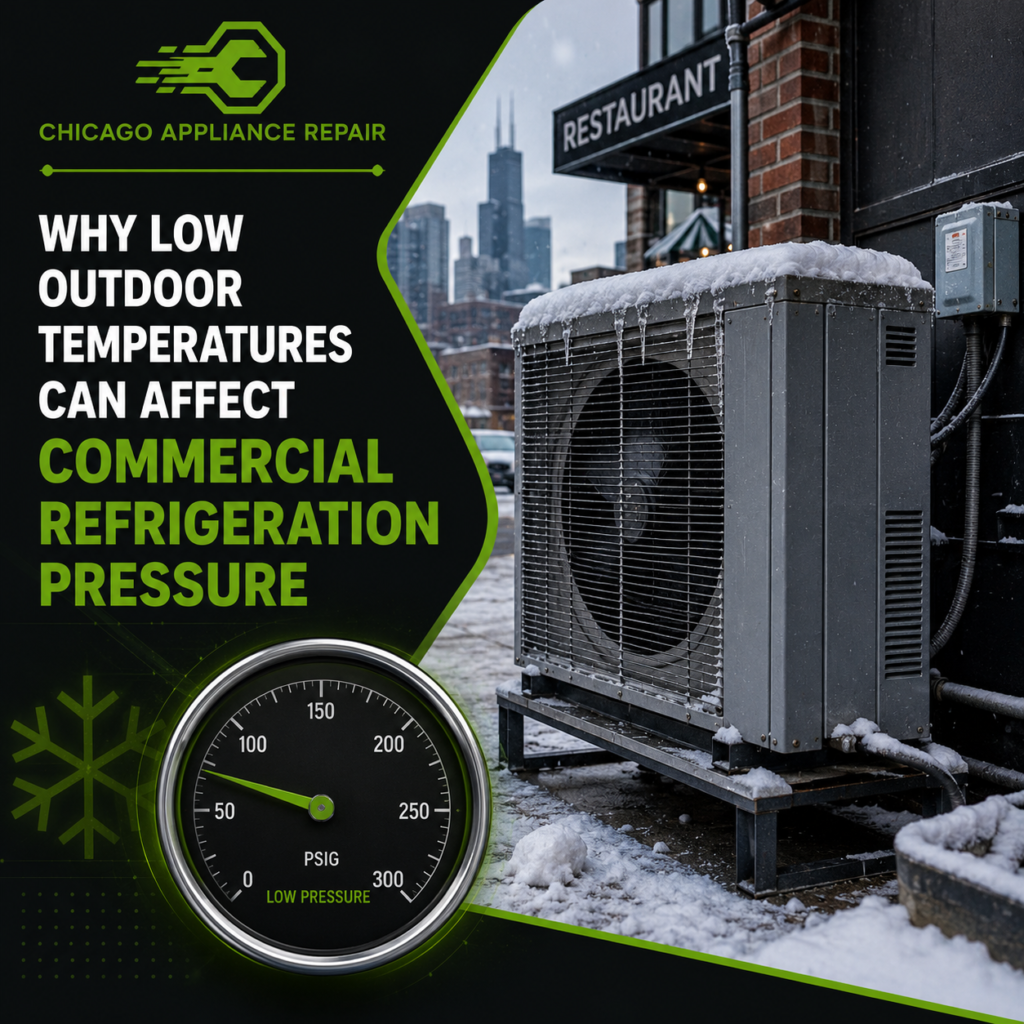
Commercial refrigeration systems play an important role in restaurants, grocery stores, hotels, bars, and commercial kitchens. During winter, changing outdoor temperatures can create additional challenges for refrigeration equipment.
Although refrigeration systems are designed to operate throughout the year, cold weather can affect their operating conditions, components, and overall performance. Regular inspections and preventive maintenance can help businesses avoid unexpected equipment problems.
Here are seven important winter maintenance tips for commercial refrigeration systems.
1. Inspect Outdoor Condenser Units
Outdoor condenser units are exposed to changing weather conditions. Snow, ice, dirt, and debris can interfere with proper airflow and equipment operation.
Inspect outdoor units regularly and keep the surrounding area clear. Follow manufacturer recommendations when cleaning or servicing condenser equipment.
2. Monitor Refrigeration System Pressure
Low outdoor temperatures can affect condenser pressure and refrigeration system operation. Systems without suitable low-ambient controls may experience operating difficulties.
Professional technicians can inspect pressure controls and verify that the refrigeration system operates within manufacturer specifications.
3. Check Refrigeration Drain Lines
Drain lines help remove condensation and water produced during normal equipment operation. In freezing conditions, exposed drain lines may become blocked by ice.
Inspect drain lines and verify proper drainage to reduce the risk of water accumulation and related equipment issues.
4. Monitor Walk-In Cooler and Freezer Temperatures
Consistent temperature monitoring is essential for commercial refrigeration equipment.
Businesses should regularly check temperature readings, inspect door seals, and investigate unexpected temperature fluctuations. Keeping accurate temperature records can also help identify developing problems.
5. Inspect Door Gaskets and Seals
Damaged or worn door gaskets can allow outside air to enter refrigeration equipment. This can affect temperature stability and increase the workload on refrigeration components.
Check door seals regularly and replace damaged gaskets when necessary.
6. Schedule Preventive Refrigeration Maintenance
Preventive maintenance helps identify equipment issues before they become major problems.
A professional inspection may include checking electrical connections, condenser components, evaporator operation, refrigerant conditions, drainage, and temperature controls.
Regular maintenance is especially important for businesses that depend on refrigeration every day.
7. Address Unusual Equipment Behavior Early
Unusual noises, frequent cycling, inconsistent cooling, and unexpected temperature changes should not be ignored.
Addressing these warning signs early can help prevent more serious equipment breakdowns and business interruptions.
Why Winter Refrigeration Maintenance Matters
Commercial refrigeration equipment is an important investment. Restaurants and food businesses depend on reliable cooling to protect inventory and maintain daily operations.
Understanding how outdoor temperatures influence refrigeration performance can help business owners prepare for seasonal challenges.
For additional information, read our related guide:
How Cold Weather Affects Commercial Refrigeration Systems
https://chicagoappliancefix.com/how-cold-weather-affects-commercial-refrigeration-systems/
Chicago Appliance Repair provides appliance and commercial refrigeration repair services in Chicago. Businesses experiencing refrigeration problems can contact the company for assistance.
Business: Chicago Appliance Repair
Phone: (872) 250-4424
Website: https://chicagoappliancefix.com/

