
Unlock Your Land’s Potential with Professional Clearing and Excavation in DFW TX
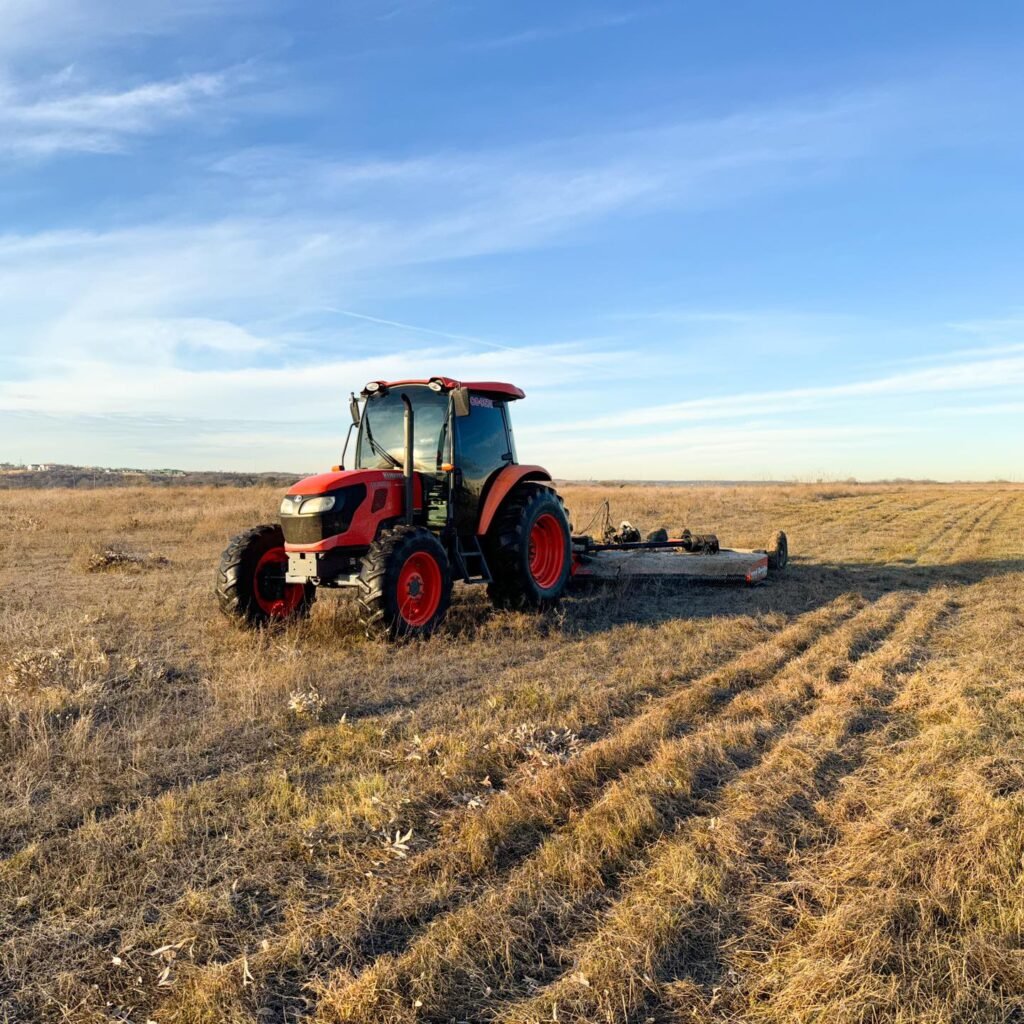
Every property has potential, but making the most of that space often requires proper preparation. Whether you own undeveloped acreage, manage a commercial property, or plan to build a new home, the condition of your land can affect the entire project. Thick vegetation, unwanted trees, uneven ground, and drainage concerns can create obstacles that make construction and property improvements more challenging.
Land clearing and excavation are important services that help prepare properties for their next stage of development. Clearing removes unwanted vegetation and debris, while excavation involves moving soil and shaping the ground for construction. When these services are planned properly, property owners can create more usable space and establish suitable conditions for future improvements.
For property owners throughout the Dallas Fort Worth area, understanding the preparation process can help make development decisions easier and more effective.
Why Land Clearing Is Essential for Property Development
Overgrown land can be difficult to access, maintain, and develop. Thick brush, fallen trees, unwanted vegetation, and large stumps may cover areas that could otherwise be used for construction or outdoor improvements.
Professional land clearing DFW TX services help remove these obstacles and prepare the property according to its intended use. The amount of clearing required depends on the site’s condition, size, and development goals.
Improving Property Access
One of the first benefits of land clearing is improved accessibility. Dense vegetation can prevent workers and heavy equipment from reaching important sections of a property.
Removing unwanted growth creates open pathways and makes it easier to move machinery, transport materials, and inspect the ground. Improved access can also help contractors complete additional preparation work more efficiently.
Creating Space for Construction
Construction projects require a suitable working area. Before installing foundations, building structures, or creating driveways, contractors may need to remove trees, brush, roots, and other obstacles.
Proper clearing gives construction teams more room to work and makes it easier to identify potential ground conditions that need attention.
Making Unused Land More Functional
Unused properties often contain areas that are difficult to reach because of uncontrolled vegetation. Clearing selected sections can make the land more practical for residential development, commercial construction, agriculture, or outdoor improvements.
Property owners should consider their long-term plans before removing vegetation so that useful trees and natural features can be preserved whenever possible.
Understanding the Different Land Clearing Services
Every property has unique requirements. Some projects involve removing a small amount of brush, while others require extensive vegetation removal and site preparation.
A professional assessment helps determine the right approach for the property.
Tree and Brush Removal
Unwanted trees and thick brush can limit available space and make property maintenance difficult. Removing selected vegetation helps open the area and prepares it for future improvements.
The process should consider tree locations, property boundaries, nearby structures, and environmental concerns. Not every tree needs to be removed, especially when it provides shade, privacy, or other benefits.
Stump and Root Removal
Tree removal often leaves stumps and underground roots behind. These materials can interfere with construction, grading, driveway installation, and landscaping.
Depending on the project, contractors may use stump grinding or complete removal methods. The appropriate option depends on the size of the stump, its root system, and the intended use of the cleared area.
Removing Rocks and Unwanted Debris
Rocks, fallen branches, and other surface materials can create obstacles during property preparation. Removing these materials creates a cleaner working area and helps contractors evaluate the ground more accurately.
How Excavation Services Prepare Land for Construction
Once unwanted vegetation and surface obstacles have been addressed, excavation may be necessary to prepare the ground.
Professional excavation services DFW TX involve digging, moving, and removing soil to create the required space and ground levels for construction and other improvements.
Foundation Excavation
A building needs a properly prepared foundation area. Excavation creates the space required for foundation installation according to the construction plans.
Before starting, contractors should consider soil conditions, measurements, required depth, and the building design. These factors help determine how the ground should be prepared.
Proper excavation is important because unsuitable soil or incorrect measurements can create additional work during later construction stages.
Driveway and Access Road Preparation
Driveways and access roads need suitable ground conditions to support regular vehicle traffic. Uneven surfaces and unstable soil can affect their durability and performance.
Excavation may involve removing unsuitable soil, adjusting ground levels, and preparing the base for gravel, asphalt, or concrete installation.
The preparation method should match the type of finished surface and the expected use of the driveway or road.
Drainage and Utility Excavation
Many residential and commercial projects require underground systems. Excavation helps create trenches for approved drainage pipes, water lines, and other utilities.
Before digging begins, property owners should arrange underground utility locating. Identifying buried infrastructure helps reduce the risk of damage and improves jobsite safety.
The Importance of Proper Grading and Drainage
Grading is the process of shaping the ground to achieve the elevations and slopes required for a particular project. It is often performed alongside excavation and helps prepare the property for construction and landscaping.
Directing Rainwater Away from Buildings
Rainwater can become a problem when it collects around foundations, driveways, and outdoor areas. Standing water may create muddy conditions, contribute to erosion, and affect nearby structures.
Proper grading helps guide surface water toward appropriate drainage areas. Contractors should consider natural slopes, nearby properties, and local drainage requirements when planning the work.
Creating an Even Surface
Uneven ground can make construction and landscaping more difficult. Grading helps create a consistent working surface according to the project’s specifications.
The amount of soil that needs to be moved depends on the existing terrain and the planned improvements.
Protecting Soil from Erosion
Clearing vegetation exposes soil to rainfall and wind. Without proper protection, exposed areas may become vulnerable to erosion.
Depending on the property’s conditions, contractors may recommend erosion control measures, temporary stabilization, or suitable vegetation after the main preparation work is complete.
Common Applications for Residential and Commercial Properties
Land clearing and excavation support different types of property development. The required services depend on the size of the site and the owner’s goals.
Residential Land Preparation
Homeowners may need professional preparation before building a new home, installing a driveway, or improving outdoor areas.
Common residential projects include:
- Removing unwanted trees and overgrown vegetation.
- Clearing space for homes, garages, and additional structures.
- Removing stumps, roots, and surface debris.
- Preparing areas for driveways and access paths.
- Excavating for building foundations and drainage systems.
- Improving uneven ground before landscaping.
Planning these activities early can help make construction more organized.
Commercial Property Development
Commercial properties often require more extensive preparation. Buildings, parking areas, access roads, and utility connections may all require different clearing and excavation activities.
Coordinating these tasks helps contractors complete the work in the correct order. It also allows potential drainage and ground concerns to be identified before major construction begins.
Agricultural and Undeveloped Land
Land clearing can also help property owners improve agricultural areas and manage undeveloped acreage.
Removing selected brush and unwanted vegetation may improve access and make certain sections easier to maintain. The approach should consider soil protection, existing trees, drainage, and the property’s intended use.
How to Prepare for a Land Clearing and Excavation Project
Good planning can help property owners understand the work involved and reduce unnecessary complications.
Inspect the Property
Start by evaluating the condition of the land. Identify thick vegetation, unwanted trees, rocks, uneven areas, and visible drainage concerns.
A professional site inspection can help determine the amount of work required and identify potential obstacles.
Establish Clear Project Goals
Decide how you intend to use the property after preparation. Residential construction, commercial development, and landscaping projects may require different methods.
Sharing your plans with the contractor helps establish a suitable project scope.
Understand Permits and Safety Requirements
Some clearing and excavation activities may require local permits or approvals. Requirements can vary based on the property’s location and the type of work involved.
Before beginning, check applicable regulations related to tree removal, grading, drainage, and protected areas. Underground utilities should also be located before excavation starts.
Choosing a Reliable Land Clearing Contractor
Selecting the right contractor is an important part of any property improvement project. Property owners should consider experience, equipment, communication, and the services included in the estimate.
Review Experience and Equipment
Ask about previous projects involving similar property conditions. Different sites may require different machinery and preparation methods.
A contractor should understand vegetation removal, soil movement, grading, and equipment access.
Request a Detailed Estimate
A clear estimate should explain the expected work, equipment requirements, and services included. Ask about additional costs that could arise from difficult ground conditions or unexpected obstacles.
Understanding the project scope helps you plan your budget more effectively.
Prioritize Safety and Communication
Land clearing and excavation involve heavy equipment and potential site hazards. Contractors should follow appropriate safety procedures and take steps to protect nearby structures and surrounding property.
Clear communication about project expectations, scheduling, and possible challenges also helps keep the work organized.
Conclusion
Proper land preparation is an important part of successful property development. Removing unwanted vegetation, addressing stumps and debris, preparing building areas, and improving ground levels can make residential and commercial projects easier to manage. Professional land clearing DFW TX and excavation services DFW TX also help property owners address important concerns involving drainage, accessibility, grading, and construction preparation.
Whether you are preparing undeveloped acreage or improving an existing property, choosing the right approach can make a meaningful difference. Southern Land Specialist helps property owners prepare their land for upcoming improvements through professional land preparation solutions. With careful planning and the right equipment, you can create a more functional property that is ready for future development.
