
How Vaccination Helps Protect Children’s Health
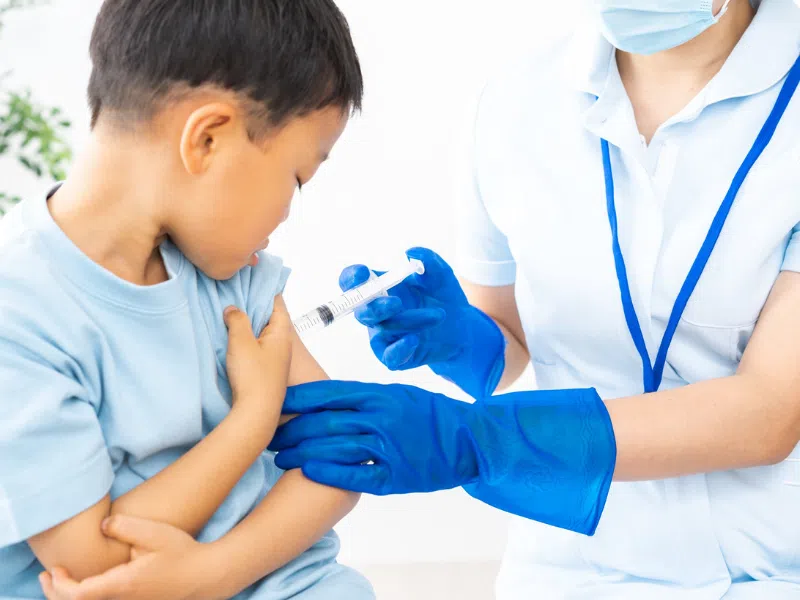
Children need proper care, nutrition and medical attention to support their growth and development. One of the most important ways to protect children from preventable diseases is through vaccination. Vaccines help the immune system recognise harmful germs and prepare the body to fight infections.
Parents often have questions about childhood immunisation, including when children should receive vaccines, how they work and what to expect after an appointment. Understanding these basics can help parents make informed decisions about their child’s health.
For families looking for children vaccination Belconnen, knowing the importance of routine immunisation can make it easier to plan appointments and follow the recommended vaccination schedule.
Understanding Childhood Vaccination
Vaccination is a medical process that helps protect children against certain infectious diseases. A vaccine trains the immune system to recognise specific germs without requiring the child to experience the full disease.
When a child receives a vaccine, their immune system responds by developing protection against the targeted infection. If they come into contact with the same germ in the future, their body may recognise and fight it more effectively.
Childhood vaccines help protect against several serious diseases, including:
Measles
Mumps
Rubella
Whooping cough
Polio
Hepatitis B
Chickenpox
Pneumococcal disease
The vaccines recommended for each child depend on their age, medical history and the current Australian National Immunisation Program.
1. Why Is Vaccination Important for Children?
Vaccination plays an important role in protecting children during their early years. Their immune systems continue to develop as they grow, which makes recommended immunisation an important part of preventive healthcare.
Here are some key reasons why childhood vaccination matters.
Protection Against Preventable Diseases
Vaccines help reduce the risk of children developing certain infectious diseases. Some infections can cause serious complications, hospitalisation or long-term health problems. Following the recommended vaccination schedule helps provide protection at different stages of childhood.
Supports Healthy Growth and Development
When children receive recommended vaccines, they gain protection against several preventable infections. This supports their overall wellbeing and helps reduce the chances of illness disrupting their everyday activities.
Protects the Wider Community
Vaccination does not only protect the individual child. When more people receive recommended vaccines, the spread of certain infectious diseases can decrease. This also helps protect people who cannot receive particular vaccines due to medical reasons.
2. Follow the Recommended Childhood Immunisation Schedule
Children need vaccines at specific ages to build protection at the right time. In Australia, the National Immunisation Program provides a recommended schedule for babies, children and teenagers.
The schedule includes vaccinations at different stages, such as:
At birth: Certain vaccines may be recommended depending on the baby’s circumstances and risk factors.
At 2 months: Babies receive several important vaccines to begin building protection.
At 4 months and 6 months: Additional doses strengthen their immune response.
At 12 months: Children receive further vaccines to protect against various infections.
At 18 months: Recommended vaccines help maintain and extend protection.
At 4 years: Additional doses help strengthen immunity before school age.
The exact schedule and eligibility may change. Parents should check the current Australian immunisation recommendations and discuss their child’s requirements with a healthcare professional.
3. How Do Vaccines Work in a Child’s Body?
Vaccines prepare the immune system to recognise specific infections. They contain weakened or inactive forms of germs, parts of germs or other components that help the body develop an immune response.
After vaccination, the immune system produces antibodies and develops immune memory. These help the body respond more effectively if it encounters the infection later.
Some vaccines require more than one dose to provide adequate protection. Booster doses may also become necessary as children grow.
Parents should follow the recommended schedule and avoid delaying doses without discussing the situation with their healthcare provider.
4. What Should Parents Expect After Vaccination?
It is normal for some children to experience mild reactions after receiving a vaccine. These reactions usually settle within a short time as the immune system responds.
Common side effects may include:
Mild pain, redness or swelling around the injection site.
A slight fever.
Feeling tired or unsettled.
Temporary loss of appetite.
Mild irritability in younger children.
Parents can help their children feel comfortable by offering fluids, allowing them to rest and following the healthcare professional’s advice.
If your child develops unusual symptoms, experiences a severe reaction or you have concerns about their condition, seek medical advice promptly. Serious allergic reactions are rare but require immediate medical attention.
5. How Can Parents Prepare Children for Vaccination?
Some children feel nervous before receiving an injection. A little preparation can make the appointment easier for both parents and children.
Here are some helpful tips:
Explain the Process Simply
Tell your child that the vaccine is a small injection that helps protect their body from certain illnesses. Use simple and reassuring words according to their age.
Bring Their Immunisation Records
Carry your child’s vaccination history or immunisation record to help the healthcare professional check previous doses and identify any upcoming vaccinations.
Keep Your Child Comfortable
Bring a favourite toy, book or comfort item. Holding younger children close can also help them feel more secure during the appointment.
Follow Medical Advice
Ask the healthcare professional about possible side effects and aftercare. Follow their recommendations rather than giving medicines without appropriate advice.
6. What If Your Child Misses a Vaccination?
Sometimes children miss scheduled vaccinations because of illness, travel, family commitments or other circumstances. Parents should not panic if this happens.
In many cases, children can receive catch-up vaccinations to complete their recommended immunisation schedule.
If your child has missed one or more doses, speak with a healthcare professional. They can review the immunisation history and explain which vaccines are due.
Parents should avoid restarting the entire vaccination schedule unless a healthcare professional recommends it. Keeping vaccination records updated also makes it easier to track future appointments.
7. Choosing a Clinic for Children’s Vaccination in Belconnen
Choosing a suitable medical practice is an important part of managing your child’s healthcare. Parents should look for a clinic that provides clear information, professional guidance and a comfortable environment for children and families.
When selecting a clinic, consider:
Availability of childhood immunisation services.
Qualified healthcare professionals.
Clear guidance about vaccination schedules.
Support with missed or catch-up vaccinations.
Convenient appointment arrangements.
Information about possible side effects and aftercare.
Families seeking children vaccination Belconnen can contact a local medical practice to understand available immunisation services and appointment requirements.
Building a regular relationship with a healthcare provider can also help parents manage routine health checks, vaccinations and other childhood healthcare needs.
Frequently Asked Questions
1. At what age should children start receiving vaccinations?
Babies generally begin their routine vaccinations at 2 months of age under Australia’s National Immunisation Program. Some vaccines may be recommended at birth depending on individual circumstances.
2. Are childhood vaccines safe?
Vaccines approved for use in Australia undergo safety and quality assessments. Most side effects are mild and temporary. A healthcare professional can explain the benefits and possible risks of each vaccine.
3. Can my child receive multiple vaccines during one visit?
Yes, several recommended vaccines can be given during the same appointment when appropriate. Your healthcare professional can explain which vaccines are suitable for your child’s age and vaccination history.
4. What should I do if my child misses a vaccine?
Contact your healthcare provider to discuss a catch-up vaccination plan. They can review your child’s records and recommend the next steps.
5. Do children need vaccinations before starting school?
Yes, children need to receive age-appropriate vaccinations according to the Australian immunisation schedule. Parents may also need to provide an immunisation history statement when enrolling their child in school or childcare.
Conclusion
Childhood vaccination is an important part of preventive healthcare. Following the recommended immunisation schedule helps protect children against several preventable diseases and supports their overall wellbeing. Parents should keep vaccination records updated, attend routine appointments and seek professional advice whenever they have concerns about their child’s health. Belconnen General Practice supports families with children’s healthcare and immunisation services in Belconnen. Contact the clinic to discuss childhood vaccination requirements and arrange an appointment.