
Key Benefits of Using HDPE Pond Liner for Water Storage
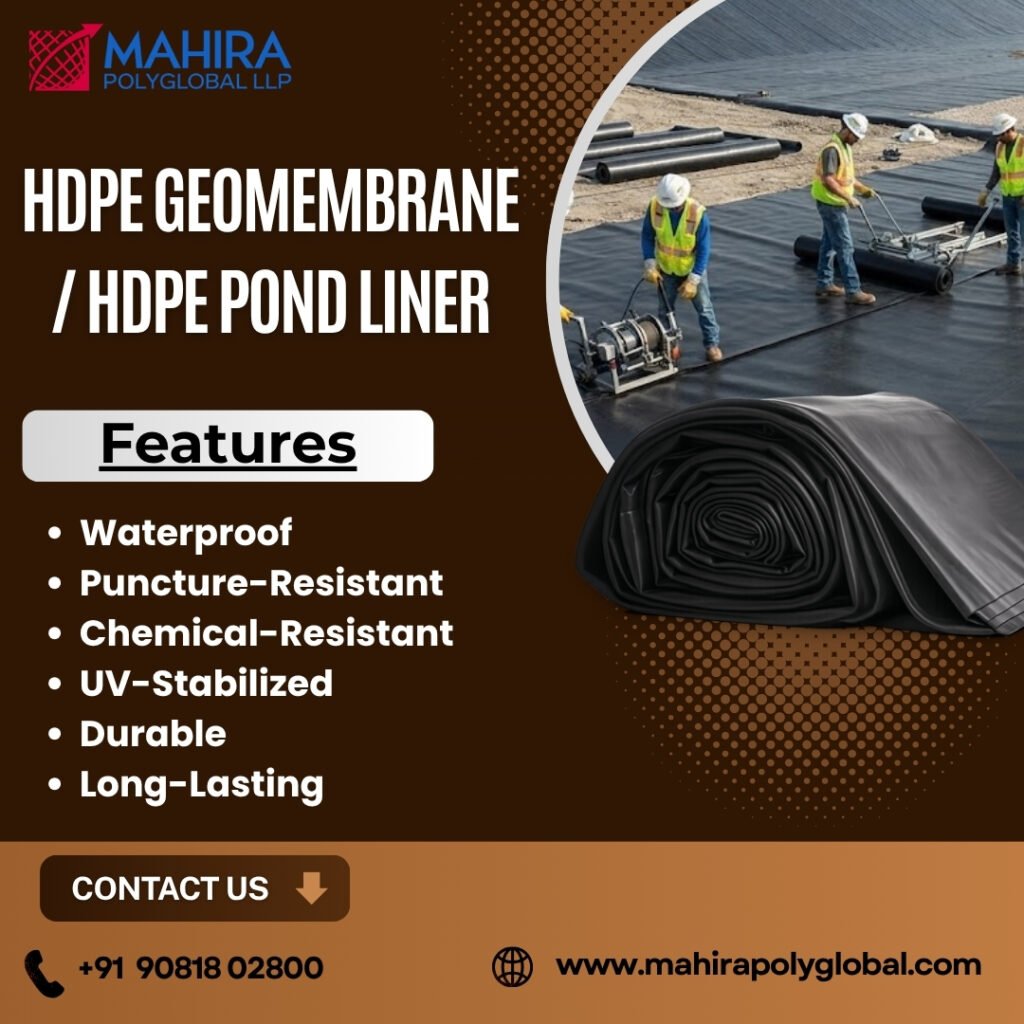
HDPE Pond Liner is one of the most common lining materials that can be applied to preserve ponds, reservoirs and other water storing areas from leaking. It is produced from High Density Polyethylene, which is a highly durable and flexible plastic material resistant to moisture. Water conservation has become a significant issue in modern agriculture, industries and environmental protection. The right choice of a pond liner is able to keep water stored for a longer period and prevent water loss due to water seeping to the ground. As natural surface of the ponds may cause water seeping, an HDPE liner becomes a reliable barrier between water and the ground, protecting water. These liners vary in thickness, width and roll size, so they can be installed not only in small ponds, but in various water storing constructions.
Installation and Maintenance Practices
The HDPE pond liner will provide a high-quality performance only when installed properly. The site should be cleaned from any sharp items including rocks, roots, glass and other elements that can pierce the liner surface. Then the ground must be leveled and compressed in order to make a solid foundation. In case of projects with a rugged or rocky soil, a proper geotextile protective layer can be put under the liner. Then the HDPE sheets should be placed on a prepared surface carefully without creating any folds or stress points. If you need to find out any products available for regional as well as international marketplaces, you can enquire about the same with HDPE Pond Liner Exporter Ahmedabad. However, in any case, before placing an order, it is better to first have the technical data of the products along with their quality.
Key Attributes and Physical Characteristics
Some of the notable physical characteristics of HDPE Pond Liners are useful for outdoor environments. One such attribute is low permeability which ensures that the water does not seep through the liner material. This is helpful in places like agricultural ponds, fish farms, irrigation ponds, and even rainwater harvesting ponds. The liner materials possess good tensile strength which ensures that they can stretch and move well depending on the site conditions. Another attribute of this liner material is puncture resistance although the level of protection offered by the liners is dependent on their thickness and also the state of the underlying soil.
Types and Choices Available
HDPE pond liners are offered in various thicknesses and specification to suit different needs. For smaller ponds in controlled environments, thin liners will work well while thick ones are recommended for larger projects or areas that need mechanical protection. The optimal thickness would depend on several issues such as the size of the pond, state of the soil, amount of water in the pond and purpose of its installation. There are HDPE pond liners that come in roll form and are easy to join together while installing; customized forms of HDPE pond liners could help in reducing joints. Factors such as surface finish, color, flexibility and quality of the material should also be taken into account. Though HDPE is the most popular material used for many projects, other materials such as LLDPE and PVC are also available.
Major Applications Across Various Sectors
HDPE Pond Liner is employed in various sectors due to its water containing capability and reducing of seepage. Agricultural sector is one such industry where the farmers use it for lining the irrigation ponds and water storage reservoirs for ensuring consistent water availability for their agricultural produce. Aquaculture is yet another important sector wherein the proper installation of the liner ensures a controlled pond environment. HDPE geomembrane can be employed for various applications like rainwater harvesting systems, farm ponds, artificial lakes, decorative water features and so on. Industrial water storage and containment facilities might find use for some of the HDPE liner systems for water containment based on the kind of chemicals present in the industrial setting. Wastewater management projects utilize HDPE geomembrane as a tool for controlling the flow of liquids and ensuring protection of the soil around the pond. Mining and construction projects may also make use of specialized liner systems.
Advantages of Using HDPE Pond Liner
The first advantage of the use of HDPE Pond Liner is the ability to reduce water loss caused by seepage. This material will help maximize the use of water resources when dealing with season changes in the availability of water. HDPE Pond Liner is also lighter compared to traditional pond liner materials. Additionally, it is known for its high level of chemical resistance and can be used in cases when the quality of water and environmental conditions matter. Other pros of HDPE Pond Liner include reliability during its service life provided that a proper liner type, installation, and maintenance practices are applied. UV-stabilized linings may be suitable for outdoor applications, whereas protective coatings may help minimize the negative effects of rough terrain on the lining.
Choosing the right product for your project
While selecting the right HDPE pond liner, there are a number of technical and practical aspects to consider. The buyers must have knowledge of the size of the pond, its water depth, soil type, and usage. Though thickness is one aspect, it must not be the only criterion for selection. Other factors that need consideration include material grade, tensile strength, puncture resistance, ultraviolet resistance, and chemical compatibility. Working with a trustworthy HDPE Pond Liner Supplier Ahmedabad will assist you in exploring various specifications and suitable products for your project.
Conclusion
The HDPE Pond Liner is a solution which could be applied in the areas where the storage of water, building agricultural ponds, fish farming, reservoirs and other industrial applications would be required. As far as its impermeability, durability, resistance and existence in different thicknesses, the HDPE Pond Liner is a material which may be considered a worthy option for projects which require reliable water protection. Nevertheless, it is important to keep in mind that only a proper selection of the HDPE Pond Liner specifications and adequate installation will bring about good results. It is never necessary to neglect site preparation, protective layers, proper welding and regular inspection.
Frequently Asked Questions(FAQs)
1. Where is HDPE Pond Liner used?
Use of HDPE Pond Liner is applicable in agricultural pond, fish farm, reservoir, rainwater harvesting, and water storage projects to reduce leakage and loss of water.
2. What makes HDPE Pond Liner ideal for outdoor use?
The resistance to moisture, chemicals, and ultraviolet rays offered by HDPE Pond Liner in its UV stabilized variants makes it suitable for outdoor usage.
3. How can we determine the right thickness of HDPE Pond Liner?
It should be selected on the basis of size of the pond, soil conditions, water depth, installation process, and its end use.
4. How is the HDPE Pond Liner installed?
First, the soil is cleaned, leveled, and compacted and then the HDPE Pond Liner is placed in its place.
5. Who is the largest manufacturer of HDPE Pond Liner ?
One such organization which interested buyers may contact for more information about HDPE Pond Liner is Mahira Polyglobal LLP.

