
Mobile Chargers Manufacturer in India: Quality, Safety and Sourcing Tips
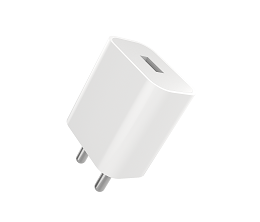
Mobile chargers have become an essential part of everyday life. From smartphones and tablets to wireless accessories and other electronic devices, reliable charging solutions are needed across homes, offices, retail stores, and businesses. As demand grows, choosing the right manufacturing partner has become an important decision for brands, distributors, wholesalers, and electronics businesses.
However, selecting a manufacturer is not just about comparing prices. Product safety, charging performance, compatibility, quality control, and long-term supply reliability all play a role in building a successful charger business.
Understanding the Mobile Charger Manufacturing Process
A mobile charger may look like a simple accessory, but manufacturing one requires careful engineering and testing. A typical charging adapter includes electronic components, a circuit board, a casing, connectors, and safety-related design features.
The manufacturing process generally involves several stages:
- Product design: Defining power output, supported charging protocols, size, and intended use.
- Component sourcing: Selecting suitable electronic components from reliable suppliers.
- Assembly: Placing components, assembling circuit boards, and fitting the enclosure.
- Quality inspection: Checking electrical performance, construction quality, and product consistency.
- Final testing and packaging: Verifying finished units and preparing them for distribution.
The exact process varies depending on the charger’s design, production technology, and manufacturing setup.
For businesses planning to introduce their own charging accessories, understanding these stages helps them ask better questions before placing an order.
What Should Businesses Look for in a Charger Manufacturer?
Finding a suitable manufacturing partner requires more than a product catalogue. A few practical checks can help avoid problems after production begins.
1. Product Quality and Safety
Charger quality should always be a priority. Poorly designed charging adapters can create risks such as overheating, electrical failure, and damage to connected devices.
Ask manufacturers about their quality assurance procedures, electrical safety testing, component traceability, and inspection records. Also verify applicable Indian regulatory requirements, including relevant BIS registration or certification obligations for the specific product category and model.
Do not assume that a certificate for one charger automatically covers every product offered by the same supplier.
2. Charging Compatibility and Performance
Not every charger works in the same way. Some support standard USB charging, while others offer fast charging through protocols such as USB Power Delivery or Quick Charge, depending on the device.
Before finalising a product, check:
- Supported voltage and current combinations
- Maximum rated power output
- Charging protocol compatibility
- USB port type and connector requirements
- Thermal performance under expected operating conditions
For example, a business targeting customers with newer smartphones may need USB-C chargers with suitable Power Delivery support. A basic charging adapter may be more appropriate for other applications.
The important point is to match the product specifications with the actual needs of the target customer.
3. Production Capacity and Delivery Timelines
A manufacturer should be able to handle the expected order volume without compromising quality.
Ask about monthly production capacity, minimum order quantity, sample availability, lead times, and how repeat orders are managed.
For example, a distributor launching a new product range may prefer a manageable initial order, followed by larger purchases once demand becomes clear. A manufacturer with flexible production planning can make this process easier.
Why Customisation Matters for Charger Brands
Many businesses want charging products that reflect their own brand identity. Depending on the manufacturer’s capabilities, customisation may include:
- Logo printing and packaging design
- Product colour and enclosure finish
- Cable length or bundled accessories
- Port configuration and supported specifications
- Retail packaging and labelling
However, customisation should never come at the cost of electrical safety or product performance.
Any changes to the design, components, ratings, or construction should be evaluated for their effect on compliance and testing requirements. Branding an existing charger does not automatically establish that the modified product is compliant.
Businesses should also clarify ownership of artwork, tooling, product designs, and packaging files before starting a private-label project.
Common Mistakes to Avoid When Sourcing Mobile Chargers
Some sourcing mistakes may appear harmless during negotiations but can create expensive issues later.
Choosing only on price: A lower quotation may exclude packaging, testing, shipping, or other costs. Compare the complete landed cost and product specifications.
Skipping product samples: Approving a large order without evaluating samples can lead to inconsistent finishes, loose connectors, or performance concerns.
Ignoring documentation: Request relevant test reports, product specifications, warranty terms, and applicable compliance documentation.
Overlooking after-sales support: Ask how defective units, customer complaints, replacement requests, and warranty claims will be handled.
Ordering too much inventory: Market demand can change quickly. Start with a realistic forecast and review sales performance before expanding stock.
These precautions are especially useful for first-time importers, distributors, and businesses entering the mobile accessories market.
How to Evaluate a Manufacturing Partner Before Placing an Order
A structured supplier evaluation makes purchasing decisions more practical.
Begin by preparing a product requirement sheet that includes the intended customer segment, required charging power, connector type, packaging needs, estimated order quantity, and target delivery schedule.
Next, shortlist manufacturers and compare them using the same criteria.
Consider the following questions:
- Can the manufacturer provide the exact specifications requested?
- What quality checks are performed during production?
- Which certifications or registrations apply to the proposed model?
- Can the supplier provide samples and relevant documentation?
- What are the payment terms, lead times, and warranty conditions?
- How are production changes and defective batches handled?
A written agreement covering specifications, acceptance criteria, delivery conditions, and quality responsibilities can reduce misunderstandings.
Working with an Indian Charger Manufacturing Partner
India’s electronics manufacturing ecosystem offers opportunities for businesses looking for sourcing, branding, and production partnerships. Still, every manufacturer should be evaluated on its own capabilities rather than location or marketing claims alone.
Businesses researching a Mobile chargers Manufacturer in India can explore Hive Electronics LLP as one potential manufacturing partner and assess whether its charger manufacturing capabilities align with their product requirements.
Before moving forward, buyers should confirm the available product range, manufacturing arrangements, customisation options, production capacity, and relevant compliance documentation directly with the company.
This approach helps keep supplier selection based on verifiable information instead of assumptions.
The Importance of Long-Term Supplier Relationships
A dependable manufacturing relationship can improve more than procurement efficiency. Consistent specifications, better production planning, clearer communication, and organised quality records can help businesses manage inventory and customer expectations.
Regular supplier reviews are useful even after a successful launch. Track defect rates, delivery performance, customer feedback, warranty claims, and changes in component availability.
These indicators can reveal whether the partnership continues to meet business needs.
Conclusion
Choosing a mobile charger manufacturer in India requires a balance of product quality, safety, compatibility, pricing, production capacity, and dependable support.
Businesses should begin with clear product requirements, evaluate samples, verify applicable compliance obligations, and compare suppliers using consistent criteria. Avoid making decisions based solely on low prices or attractive packaging.
A thoughtful sourcing process can help businesses build a more reliable charger product range, protect customer trust, and create a stronger foundation for long-term growth.
