
Choosing a Birth Center: What Expecting Parents Should Consider
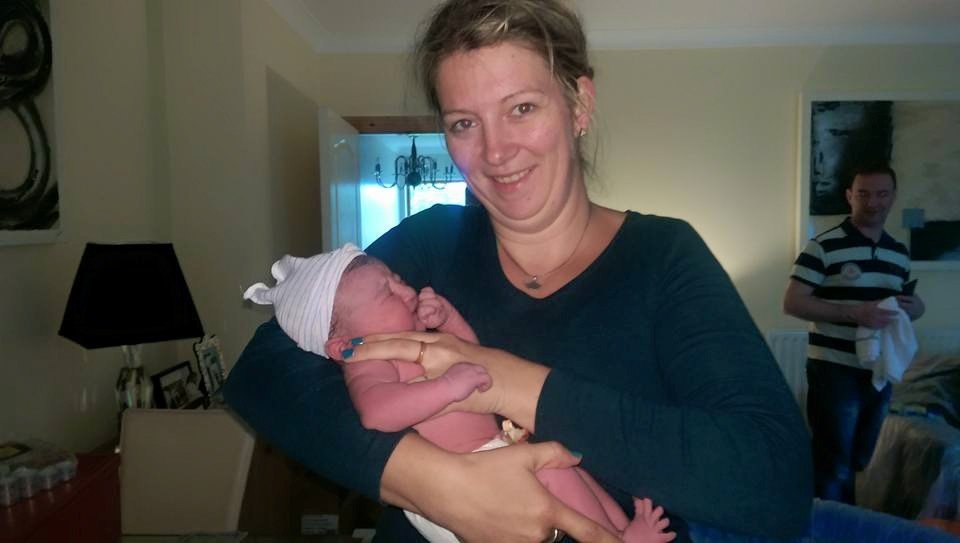
For many expecting parents, a birth center offers a middle ground between a hospital delivery and a home birth. It provides a more home-like environment, personalized prenatal care, and continuous labor support while maintaining access to clinical monitoring and a clear plan for transfer if medically necessary.
If you are researching birthing centers in Dallas, it helps to look beyond décor and amenities. The most important questions involve who provides care, how safety is managed, what services are included, and whether the setting fits your health history and birth preferences.
What a Birth Center Is
A birth center is a dedicated maternity-care setting designed for labor, birth, and immediate postpartum recovery. Unlike a hospital, it often has a calmer, more residential atmosphere. Unlike a home birth, care takes place in a facility equipped for routine low-risk births.
Birth centers generally focus on physiologic birth—supporting the body’s natural labor process when there are no complications requiring a higher level of care. Care commonly includes prenatal visits, labor support, birth care, postpartum follow-up, breastfeeding assistance, and newborn assessments.
A birth center is not appropriate for every pregnancy. Certain medical conditions, prior birth complications, or risk factors identified during pregnancy may make hospital-based care the safer choice. A qualified midwife or physician should help determine whether a birth center is suitable for you.
The Role of a Midwife
Many birth centers are led by midwives. A midwife Dallas families choose may be a certified nurse-midwife or another qualified midwifery professional, depending on state licensure and the practice’s care model.
Midwifery care typically emphasizes:
- Longer prenatal appointments and relationship-based care
- Education about pregnancy, labor, feeding, and recovery
- Monitoring of maternal and fetal well-being
- Individualized comfort measures during labor
- Support for movement, positioning, and hydrotherapy when appropriate
- Postpartum recovery and newborn-care guidance
Midwives also play an important safety role. They monitor labor, identify concerns early, discuss informed decision-making with families, and arrange transfer to hospital care when a situation moves beyond the scope of birth-center care.
Sweet Pea Midwifery, based in Rockwall, provides midwifery-led maternity care for families throughout the eastern Dallas–Fort Worth metroplex, including prenatal care, birth support, postpartum care, and newborn services.
Questions to Ask Before Touring
A tour is useful, but the conversation matters more than the waiting room. Bring a list of questions and take notes.
Care Team and Credentials
Ask who will attend your birth and what credentials they hold. You may also want to know how many people will be present during labor, whether a birth assistant participates, and how the team communicates with collaborating physicians or hospitals.
Eligibility and Risk Screening
Ask how the practice determines whether a client is appropriate for birth-center care. A responsible practice should review your medical history, current pregnancy health, and any developing risk factors throughout prenatal care.
Transfer Plan
This is one of the most important topics. Ask:
- Which hospital would receive a transfer if needed?
- How is transportation arranged?
- What circumstances would lead to a transfer?
- How does the team communicate with the receiving hospital?
- What happens if a concern arises during labor?
A clear, practiced transfer plan is a sign of thoughtful safety planning—not a reason to feel discouraged.
Prenatal and Postpartum Care
Ask how often visits occur, what routine testing is offered, how ultrasound referrals work, and what postpartum support includes. Good maternity care does not end at delivery; the early weeks after birth are a major adjustment for both parent and baby.
Sweet Pea Midwifery describes prenatal visits that may include lab work, blood-pressure monitoring, nutrition counseling, fetal heart-tone assessment, and fundal-height measurement, along with postpartum follow-up and breastfeeding support.
What to Look for During a Tour
The physical space should feel comfortable, but it should also support safe care. During your visit, pay attention to both the environment and the details of the program.
Helpful things to observe or ask about include:
- Cleanliness, privacy, and accessibility of birth rooms
- Availability of a birth tub or hydrotherapy options, if that interests you
- Equipment used for routine maternal and newborn monitoring
- Emergency procedures and transfer protocols
- Policies for support people, doulas, and children
- Feeding support and newborn assessment practices
- Clear information about fees, insurance, and what is included in care
Do not feel pressured to decide during the first visit. A trustworthy provider will welcome questions and give you time to review your options.
Birth Center Care Versus Hospital Birth
Neither setting is universally “better.” The right choice depends on your health, preferences, support system, and the level of care you may need.
| Consideration | Birth Center | Hospital Birth |
| Environment | Often home-like and quieter | Clinical setting with broader resources |
| Care model | Often midwifery-led and continuity-focused | May involve obstetricians, nurses, and hospital protocols |
| Best suited for | Many low-risk pregnancies | Higher-risk pregnancies or complications |
| Pain-management options | Often focus on comfort measures; availability varies | Broader medical pain-relief options |
| Transfer | Planned pathway to hospital care if needed | Care remains in the hospital setting |
Birth centers can be an excellent option for healthy, low-risk pregnancies when parents value individualized care and a less intervention-heavy environment. Hospitals remain essential for pregnancies or labors that require specialist care, advanced monitoring, or emergency intervention.
Preparing for a Birth-Center Birth
Once you choose a birth center, preparation can help you feel more confident and informed.
- Attend prenatal appointments consistently and share changes in your health.
- Complete recommended screenings and discuss results openly.
- Create a flexible birth preferences document rather than a rigid plan.
- Learn practical comfort techniques such as breathing, movement, positioning, and hydrotherapy.
- Arrange postpartum help for meals, rest, childcare, and household tasks.
- Discuss newborn feeding preferences and identify lactation support resources.
- Keep emergency contact and transfer information accessible.
Flexibility is especially valuable. You can hold strong preferences while still remaining open to medical recommendations if circumstances change.
How to Evaluate Fit
The best birth setting is one where you feel respected, informed, and safe. That means the provider listens to your concerns, explains recommendations clearly, respects your values, and has transparent safety processes.
If you are comparing birthing centers, schedule consultations with more than one practice if possible. Ask the same questions at each visit and notice how each team responds. A good fit should feel collaborative rather than rushed.
Sweet Pea Midwifery offers midwifery-led, family-centered maternity care and serves families across the eastern DFW midwives metroplex from its Rockwall location. Families interested in learning whether birth-center or midwifery care fits their pregnancy can schedule a consultation to discuss their health history, preferences, and available care options.

