
Circuit Breaker Trouble in Altamonte Springs: Fix It Right
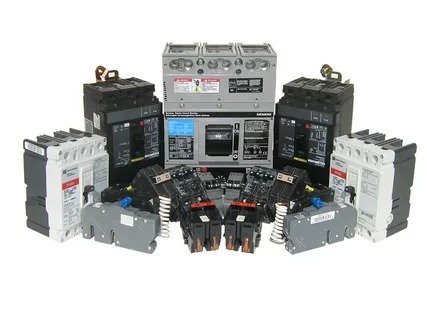
The microwave clicks off, the hallway lights die, and you’re standing in the garage with a phone flashlight, touching a panel that feels warmer than it should. That scene plays out across Altamonte Springs every summer, usually right after an afternoon storm rolls through. A circuit breaker is built to trip when something goes wrong, but repeated trips or a hot panel point to a deeper issue. Our team at Altech Electric of Central Florida hears about this weekly, so we’re sharing what we tell neighbors.
What a Breaker Actually Does Inside Your Panel
Every breaker in your panel is a safety switch matched to a specific wire. A 15-amp breaker protects 14-gauge wire, a 20-amp breaker protects 12-gauge, and the breaker’s only job is to cut power before that wire overheats. Inside, a bimetal strip bends when current runs too high for too long, while an electromagnet snaps the switch open instantly during a short circuit. Newer arc-fault (AFCI) and ground-fault (GFCI) types add sensors for sparks and current leakage, which is why kitchens, bedrooms, garages, and outdoor outlets each carry their own rules under the National Electrical Code.
Most homes around Altamonte Springs went up between the 1970s and 1990s, so plenty of original panels are still on the job. In Altamonte Springs, we’ve noticed that most homeowners never open the panel door until something stops working, and by then those breakers have flexed through thirty-plus Florida summers. Some older panels, including certain Federal Pacific and Zinsco models, have a long-documented reputation among electricians for failing to trip when they should. A breaker that refuses to trip is far more dangerous than one that trips too often.
Breakers also wear out. The internal contacts and springs degrade with every trip and every heavy load, and Florida humidity speeds up corrosion on the metal surfaces. Most last decades under normal use. One that has tripped repeatedly, runs warm, or feels loose in its slot has usually done its share of work.
Why Breakers Trip More Often in Central Florida
Heat is the part most guides skip. Garage and exterior panels here can sit in 100-degree air for months, and a breaker’s thermal trip responds to surrounding temperature as well as current. A 20-amp breaker can nuisance-trip well below its rating on an August afternoon, right when the air conditioner, a pool pump, and the dryer all compete for power. Add daily thunderstorms, damp air creeping into outdoor panels, and surges from nearby lightning, and breakers take a beating that homes in cooler states rarely see.
When a circuit breaker keeps tripping in Altamonte Springs, FL , the cause usually falls into one of four groups: an overloaded circuit, a short or ground fault in the wiring or an appliance, an air conditioner component pulling extra amps, or a worn breaker that has lost its calibration. Resetting it over and over without finding out which one you have is how small problems become scorched panels.
A client in Altamonte Springs reached out when their kitchen breaker kept dropping out whenever the microwave and coffee maker ran together. A handyman had already swapped the breaker twice with no change. Our electrician found discoloration on the bus bar behind that slot, a sign of a loose, overheating connection. Correcting the connection and giving the microwave its own circuit ended the tripping.
The question we hear most, usually asked a little nervously, is whether a simple breaker problem is a setup for a full panel sale. That’s a fair worry. Most trouble comes down to a single breaker, a loose lug, or an overloaded circuit, and a panel upgrade only makes sense when the panel itself is recalled, corroded, undersized, or out of open slots. A good electrician shows you the evidence, such as heat marks or a cracked bus bar, before suggesting anything bigger.
How Altech Electric Approaches Breaker Problems Differently
We start with a load test instead of a new part. A clamp meter shows how many amps the circuit pulls during real use, and an infrared thermometer reveals hot spots on lugs and bus connections that the eye can’t see. If the numbers show an overload, we redistribute loads or add a dedicated circuit. When a breaker is worn or damaged, circuit breaker replacement with a listed breaker made for that exact panel brand is the fix.
One point most online articles never mention: you can’t put a bigger breaker on a tripping circuit and call it solved. Swapping a 15-amp for a 20-amp on 14-gauge wire removes the protection while leaving the heat in the wire. It’s the mistake we find most often inside Central Florida panels, and it’s the one that causes real fires.
We also look at where the panel lives. A panel on a sun-baked garage wall behaves differently than one in a cool hallway closet, and that affects which breaker type and which fix makes sense. For AFCI breakers that trip with no obvious cause, we trace the circuit for an old vacuum, a worn fan motor, or a damaged cord before condemning the breaker.
Practical Tips: What to Know Before You Decide
Working with clients in Altamonte Springs, our team found that nuisance trips cluster between June and September, and a surprising share trace back to a tired air conditioner capacitor or a struggling compressor rather than the breaker itself. If the breaker only trips when the AC kicks on, mention that on the first call.
Call an electrician promptly if you notice any of these:
- A burning smell or scorch marks near the panel
- A panel cover that feels warm to the touch
- Buzzing or crackling from inside the panel
- A breaker that won’t stay reset
- Flickering lights alongside repeated trips
Here’s a local tip. Florida insurers often ask for a four-point inspection on older homes, and Federal Pacific or Zinsco panels can lead to a denied policy or a surcharge. If you’re buying or renewing in Seminole County, check your panel brand before the inspector does.
Ask about permits, too. A like-for-like single breaker swap often doesn’t need one, but panel replacements and service changes typically go through a permit and inspection. Confirm the rules with the city or county before work begins, and be wary of anyone who skips a permit on a panel job. Before the visit, snap a photo of the panel label and write down which breaker trips and when. That saves time and often shortens the diagnosis.
Getting Your Panel Checked Before the Next Summer Storm
A breaker that trips is asking for attention, and a short inspection costs far less than a scorched panel or an insurance headache. Altech Electric of Central Florida provides electrical panel and breaker service across Altamonte Springs, and a quick call is a sensible first step if anything in your panel feels off. Until then, leave the reset switch alone if a breaker won’t hold.
FAQs
Why does my breaker keep tripping in Altamonte Springs?
Usually the circuit is overloaded, a device has a fault, or the breaker has weakened with age. Florida heat adds to it because hot panels trip earlier than rated. If it trips under light use, or won’t stay reset, stop resetting it and have an electrician test the circuit, since repeated resets can damage wiring.
How much does breaker replacement cost in Altamonte Springs?
A standard single-pole breaker swap commonly runs roughly $150 to $300 with labor, depending on the panel brand and how hard the breaker is to source. Specialty AFCI or GFCI breakers cost more, and older discontinued panels can push the price higher. Replacing the whole panel is a separate, larger project, often $1,500 to $4,000.
Can I replace a breaker myself?
Mistakes here are serious. The main lugs stay live even with the main switch off, and a breaker that doesn’t match the panel brand can fail to trip during a fault. Permit rules may also apply. Unless you’re a trained electrician, this job is worth hiring out.
How do I know an Altamonte Springs electrician is legit?
Ask for a Florida state certified or registered electrical contractor license number and look it up on the Florida DBPR website. Confirm liability insurance and workers’ compensation coverage, and ask for a written estimate. Reputable electricians pull permits when required, explain what they found, and will show you the faulty part rather than pressure you.
Is a warm or buzzing breaker an emergency?
Treat it as urgent. Warmth, buzzing, a burning smell, or discoloration at the panel points to loose connections or arcing, which can start a fire. Turn off the affected circuit if you can do so safely, stay away from the panel if you see scorching, and call an electrician the same day. Call 911 for smoke or flames.
