
Sewer & Drain Problems on Staten Island: Signs Not to Ignore
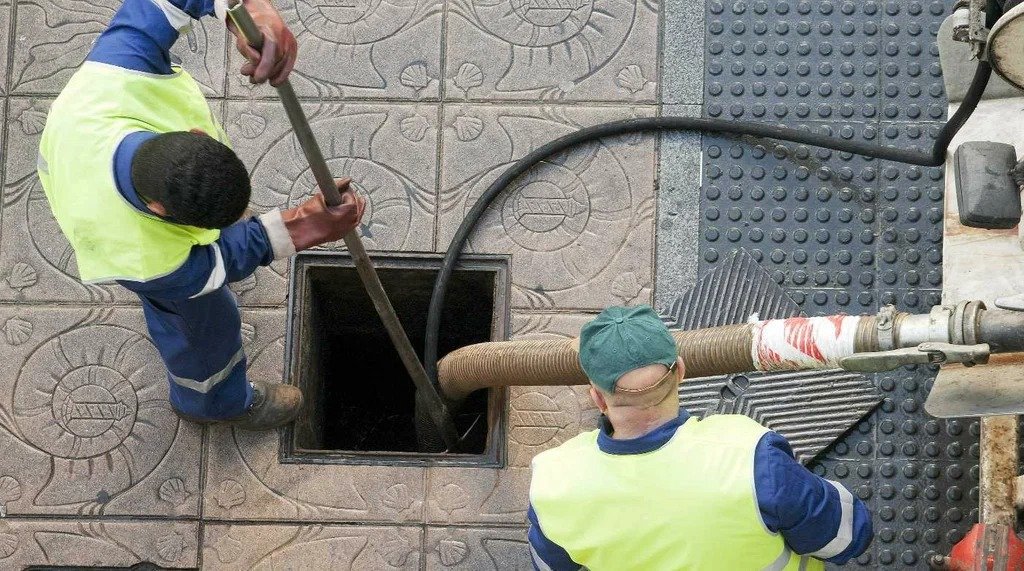
The first sign is usually small: a gurgle from the basement floor drain after the washing machine drains, or a toilet that takes a second flush to clear. On Staten Island, that gurgle often arrives on a rainy Tuesday, right when nobody has time for it. The crew at AAA Sewer & Drain has traced enough of these calls back to the same few causes that we wanted to put the pattern in writing, so you can recognize trouble before it reaches your finished basement. Most of these jobs get expensive only because the early signs were ignored.
Two Different Pipes, Two Different Problems
Your home has two layers of plumbing that homeowners tend to lump together. Drains are the branch lines under sinks, tubs, showers, and the laundry hookup. The sewer lateral is the single larger pipe that carries everything from the house out to the city main under the street. A clogged tub is a drain problem. Backups in several fixtures at once, or a floor drain bubbling when someone flushes upstairs, point to the lateral.
The fixes differ too. A cable or hydro jet clears most drain blockages in a single visit. Lateral work starts with a video camera pushed through the clean out, which shows whether you are dealing with grease, roots, a sag, or a collapsed section. Professional sewer cleaning services range from simple cable work to hydro jetting, which scrubs the pipe wall with high-pressure water instead of just punching a hole through the clog.
Chemical drain openers deserve a warning here. They sit in a standing line instead of clearing it, they can soften older pipe joints, and they leave a hazard for the technician who opens the line afterward.
In Staten Island, we’ve noticed that most homeowners don’t know where their cleanout is until the day they need it. It is usually a capped pipe in the basement, near the front foundation wall, or in the front yard, and it is the access point that makes a camera inspection fast and inexpensive.
The Real Challenge on Staten Island: Age, Roots, and Rain
Much of the borough’s housing stock went up between the 1920s and the 1960s, and the pipes under those lawns show their age. Clay tile joints let roots in. Cast iron scales from the inside. Postwar homes sometimes have Orange burg, a tar-and-fiber pipe that softens and deforms over the decades until it collapses. Add mature street trees in neighborhoods like Great Kills and New Dorp, plus a high water table along parts of the South Shore, and the pipe takes pressure from every side.
Heavy storms add another layer. Some older neighborhoods are served by combined sewers, so intense rain can push more flow through the system than it was built to carry. The weakest connection backs up first, and it is often a basement drain.
A client in Staten Island reached out when they noticed the basement floor drain gurgling every time the dishwasher ran, followed by a damp patch near the laundry area after a nor’easter. Cable cleaning bought two quiet weeks before the symptoms returned. The camera showed a root mass at a clay joint about 40 feet from the house and a slight belly in the pipe just beyond it. Rather than keep cutting roots on a schedule, the homeowner repaired that section and had the rest of the line cleaned, and the backups stopped.
The objection we hear most is some version of “isn’t this the city’s problem?” Usually, it isn’t. The city maintains the main under the street, but the homeowner owns the lateral from the house to that main, including the stretch under the sidewalk and roadway. Work in the street requires city permits and a licensed master plumber, so a quote that skips the permit conversation deserves a second look.
When sewage is coming up through a floor drain, call for emergency sewer repair in Staten Island, NY rather than waiting for the next business day. Every hour of backflow puts more contaminated water into finished space, and cleanup costs climb with it.
How AAA Sewer & Drain Approaches It Differently
The process starts with a camera, not a cable. Cutting through a clog in a pipe you have never seen is guesswork, and guesswork is how a root problem ends up billed as a clog three times in one year. With the camera, the crew marks the depth and distance of each defect, saves the footage, and walks the homeowner through it before anyone talks price.
From there, the options get laid out from least to most invasive: cleaning, spot repair, trenchless lining, and full replacement. Lining and pipe bursting can often be done through small access pits, which matters on a Staten Island lot where a driveway, a retaining wall, or a mature maple sits right on top of the line. Excavation still makes sense when a pipe has collapsed or lost its slope, and a straight answer about that beats a pitch for the fanciest method.
Most contractors dodge the question homeowners care about most: how long will this fix last? Lined pipe often holds for decades. A line cleared of roots but otherwise untouched can fill back up within a year, and in that case regular sewer cleaning services or a repair at the entry joint will cost less than repeated rescue visits.
One detail generic guides skip: slope matters as much as pipe condition. A belly, meaning a low spot that holds water, causes repeat clogs even when the pipe wall is intact, and no amount of cleaning corrects it. Only a camera paired with a locator shows it.
Practical Tips: What to Know Before You Decide
Working with clients in Staten Island, our team found that most people call after the third backup, not the first. By then the cheaper options have usually narrowed, so the best time to learn your pipe’s condition is while it still drains.
A few low-cost steps help more than most people expect:
- Locate your clean out and keep it clear. Direct access cuts inspection time and cost.
- Ask to see the footage and get the scope of work in writing before anything starts.
- Verify that a licensed master plumber is doing or supervising the work and pulling the permits.
- Review your homeowner’s policy now. Wear and root damage are commonly excluded, and some insurers sell an add-on.
- Skip flush able wipes and keep grease out of the sink. Both build blockages that no jet can stop from returning.
On the South Shore and other low-lying blocks, ask whether a backwater valve makes sense for your home. The valve closes when flow reverses in the city line, which keeps storm surge from pushing sewage into your basement, though it needs a periodic check to stay reliable.
Buying an older house changes the calculation. Add a lateral camera inspection to your list before closing, because a seller’s clean-looking basement tells you nothing about the pipe under the lawn.
Before the Fall and Spring Storms, Know What Is Under Your Lawn
A camera inspection costs far less than a flooded basement, and it turns a guess into a plan. Find your clean out, note any slow drains or odd smells, and have the line looked at before the heavy storm seasons arrive. AAA Sewer & Drain handles sewer inspection and cleaning for homeowners across Staten Island, so a phone call is a reasonable first step if something already feels off. Whoever you hire, ask to see the footage.
FAQs
How much does sewer line repair cost on Staten Island?
Prices swing with depth and access. Drain cleaning often runs a few hundred dollars. Spot repairs cost more, and trenchless lining or full replacement can reach five figures when the street needs opening. A camera inspection should come first, and a written quote should name the method, pipe length, and permits.
Who is responsible for the sewer line, me or the city?
The city maintains the main sewer under the street. You own the house connection, the lateral from your foundation to that main, including the portion under the sidewalk and roadway. If you are not sure where the boundary falls, ask a licensed plumber to inspect the line on camera and confirm before you assume the city will cover it.
How do I know a sewer contractor is legit?
In New York City, plumbing work must be done under a licensed master plumber, and you can verify a license with the Department of Buildings. Ask for proof of insurance, a written estimate, and the camera footage behind any repair recommendation. A contractor who rushes you to sign without showing the pipe deserves caution.
What are the signs of a main sewer line clog?
Several fixtures backing up at once is the clearest sign, especially a basement floor drain gurgling when you flush upstairs or run the washer. Slow drains throughout the house, sewage odors in the yard, and unusually green, fast-growing patches over the line also point to the lateral. Active sewage backup calls for emergency sewer repair.
Can tree roots be removed without digging up my yard?
Often, yes. Hydro jetting or a cutting head on a cable clears roots from the pipe, and trenchless lining can seal the joints they came through. Roots will return if the pipe stays cracked, so the cleaning only buys time. A camera shows whether the pipe is sound enough for lining.
