
Industrial Waste Disposal: Methods, Benefits, and Best Practices
What Is Industrial Waste Disposal?
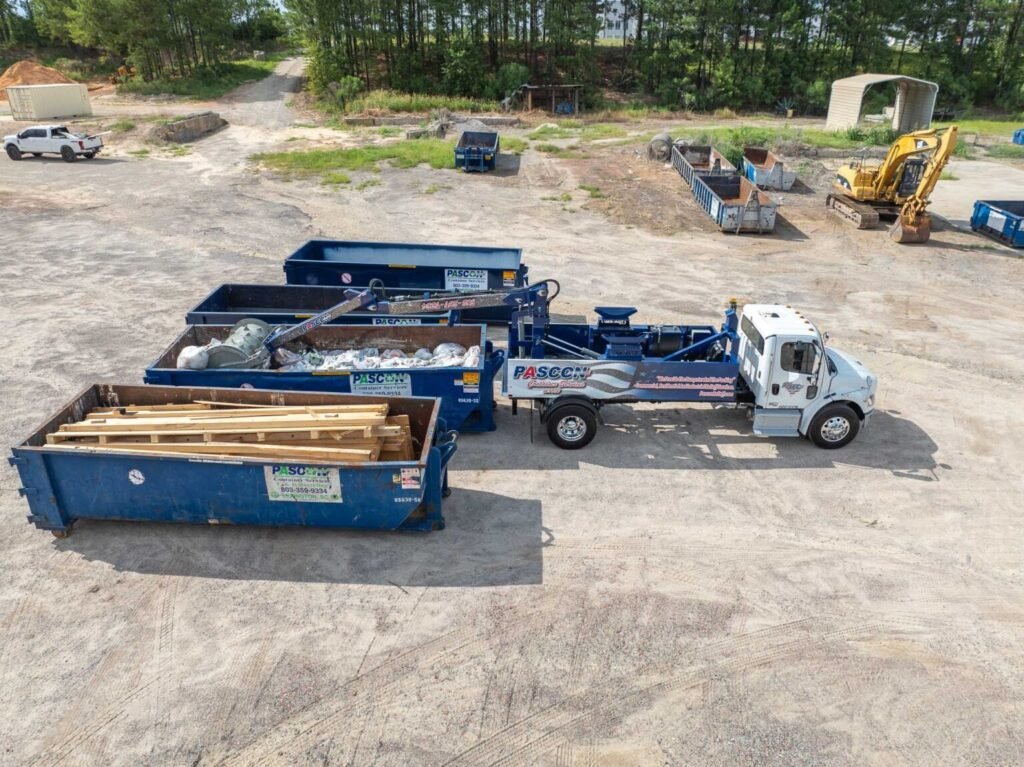
Industrial waste disposal refers to the collection, segregation, transportation, treatment, recovery, and final management of waste generated by industrial and manufacturing activities.
These activities may involve factories, textile mills, food-processing plants, chemical facilities, metalworking operations, pharmaceutical manufacturers, and other production environments.
Industrial waste can be solid, liquid, or gaseous. Some materials can be recovered and reused, while others require specialized treatment because they may contain toxic substances, corrosive chemicals, pathogens, or other harmful contaminants.
Why Industrial Waste Disposal Matters
Poorly managed industrial waste can contaminate soil and water, contribute to air pollution, and expose workers and nearby communities to health risks.
A structured disposal system helps organizations:
Reduce environmental pollution and contamination.
Maintain safer working conditions.
Improve compliance with applicable environmental regulations.
Recover reusable materials and reduce raw-material consumption.
Control waste storage and transportation risks.
Improve operational efficiency and waste-related cost management.
Responsible industrial waste disposal protects the environment while supporting more efficient and sustainable business operations.
Types of Industrial Waste
Understanding the different categories of industrial waste is the first step toward selecting an appropriate management method.
Solid Industrial Waste
Some materials can be recycled or reused, depending on their condition and contamination level. Proper segregation helps prevent recyclable materials from becoming mixed with unsuitable waste.
Hazardous Industrial Waste
Hazardous industrial waste may contain substances that are toxic, corrosive, reactive, flammable, or otherwise dangerous.
Examples can include certain chemical residues, contaminated solvents, used industrial oils, and specific manufacturing by-products. Not every chemical or used oil automatically qualifies as hazardous; classification depends on its properties and applicable rules.
Hazardous waste requires appropriate identification, compatible storage, trained handling, and treatment or disposal through authorized channels.
Liquid Industrial Waste
Liquid waste may originate from equipment cleaning, manufacturing processes, industrial washing, and other production activities.
It can contain oils, suspended solids, dissolved chemicals, or other contaminants. Depending on its composition, it may require physical separation, chemical treatment, biological treatment, or a combination of processes before discharge or further management.
Untreated industrial liquids should not be released into drains, waterways, or soil without confirming that the discharge is permitted and properly controlled.
Industrial Wastewater and Sludge
Wastewater treatment generates liquid effluent and sometimes sludge containing concentrated contaminants.
Sludge may contain organic matter, metals, oils, or treatment chemicals. Its composition determines whether it can be recovered, treated further, or sent to an appropriate disposal facility.
Electronic and Specialized Industrial Waste
Manufacturing facilities may also generate discarded electronic components, electrical equipment, batteries, and machinery parts.
These materials can contain recoverable metals and other valuable resources, but some also contain hazardous substances. Specialized recycling or treatment may therefore be necessary.
Common Industrial Waste Disposal Methods
Different waste streams require different handling procedures. A suitable management plan considers environmental risks, material recovery opportunities, treatment requirements, and the availability of authorized facilities.
Recycling and Material Recovery
Recycling involves collecting and processing discarded materials so they can be used again in manufacturing or other applications.
Common recyclable industrial materials include metals, cardboard, selected plastics, glass, and uncontaminated production scraps.
Benefits of industrial recycling include:
Reducing the volume of waste sent to disposal facilities.
Recovering valuable raw materials.
Reducing demand for newly extracted resources.
Supporting more efficient material use.
Successful recycling depends on clean segregation, consistent material quality, and access to suitable recovery facilities.
Physical and Chemical Treatment
Physical treatment methods separate or remove contaminants from industrial waste. Examples include filtration, sedimentation, screening, and oil-water separation.
Chemical treatment may use neutralization, precipitation, oxidation, or other controlled processes to change or remove specific contaminants.
These methods are particularly relevant to industrial wastewater and certain chemical waste streams. The treatment process must be selected according to the waste’s characteristics and the required treatment outcome.
Biological Treatment
Biological treatment uses microorganisms to break down biodegradable pollutants under controlled conditions.
It is commonly used for suitable industrial wastewater from food processing and other industries with biodegradable organic waste. Some facilities combine biological treatment with physical and chemical processes.
However, biological treatment is not appropriate for every waste stream, particularly where toxic chemicals or other substances inhibit microbial activity.
Incineration and Specialized Thermal Treatment
Incineration and other thermal treatment methods use heat to process certain waste materials under controlled conditions.
These processes may reduce waste volume or destroy specific contaminants when the waste is suitable for treatment. They require appropriate equipment, emissions controls, operational monitoring, and compliance with applicable requirements.
Open burning is not a substitute for controlled industrial waste treatment. It can release harmful pollutants and create serious environmental and health risks.
Secure Landfill Disposal
Some industrial waste cannot be economically recovered or treated further. Suitable landfill disposal may be necessary when the waste has been characterized and meets the facility’s acceptance requirements.
Hazardous and non-hazardous waste may require different landfill standards and handling procedures. Waste should never be sent to an unsuitable site simply because it is cheaper.
The waste generator should confirm that the receiving facility is authorized to accept the specific material.
Benefits of Professional Industrial Waste Management
A well-designed industrial waste management program can improve environmental performance and help organizations manage their operations more effectively.
Improved Environmental Protection
Appropriate containment, transportation, treatment, and disposal reduce the likelihood of uncontrolled releases into the environment.
Preventing spills and separating incompatible materials can also reduce risks during temporary storage and handling.
Better Workplace Safety
Industrial waste can create hazards through sharp objects, chemical exposure, fire risks, dust, and contaminated surfaces.
Clear procedures, appropriate protective equipment, employee training, and suitable storage arrangements help reduce these risks.
Lower Operating Costs
Waste management costs can increase when materials are mixed, treatment requirements are misunderstood, or waste is transported unnecessarily.
Businesses can often improve cost control by identifying waste-generating processes, reducing material losses, and recovering reusable resources.
Practical cost-saving measures include:
Tracking waste quantities by department or production line.
Reducing packaging and unnecessary raw-material use.
Separating recyclable materials at the source.
Reviewing collection schedules and container capacity.
Preventing spills and rejected production batches.
Comparing service proposals based on total costs and required treatment.
Stronger Regulatory Compliance
Industrial waste requirements depend on the jurisdiction, waste category, facility type, and disposal method.
Organizations may need to maintain waste records, use approved transporters, meet storage standards, or demonstrate that waste has reached an appropriate treatment or disposal facility.
A documented waste management process helps businesses demonstrate accountability and identify problems before they become more serious.
Industrial Waste Disposal Regulations and Compliance
Environmental compliance is an important consideration for every industrial facility. Applicable requirements may govern waste classification, storage, labeling, transportation, treatment, discharge, and final disposal.
Waste Identification and Documentation
Facilities should identify their waste streams before selecting a disposal method. Where necessary, this may involve reviewing safety data sheets, analyzing waste samples, or obtaining professional classification advice.
Useful records can include:
Waste descriptions and estimated quantities.
Classification and relevant hazard information.
Collection and transportation records.
Treatment or disposal documentation.
Incident reports and corrective actions.
Documentation requirements vary by jurisdiction, so businesses should confirm which records are legally required for their operations.
Environmental Compliance in Pakistan
In Pakistan, industrial waste management can involve federal environmental legislation, provincial environmental laws, and requirements administered by the relevant environmental protection authorities.
For businesses operating in Punjab, applicable provincial requirements and any relevant approvals should be verified with the Punjab Environmental Protection Department or other competent authority.
Requirements may differ depending on the industrial activity, waste characteristics, wastewater discharge, and location.
Businesses should confirm current legal obligations with the relevant authority before storing, transporting, treating, or disposing of regulated industrial waste.
How to Choose an Industrial Waste Disposal Provider
Selecting an appropriate waste management provider requires more than comparing prices. The provider should have the necessary approvals, equipment, technical capabilities, and experience to manage the facility’s specific waste streams.
Evaluate Services and Technical Capabilities
Businesses should first determine whether a provider can handle their waste safely and legally.
Important considerations include:
Waste expertise: Experience managing the specific industrial materials involved.
Appropriate authorization: Relevant permits, licenses, or approvals where required.
Treatment capabilities: Access to suitable recycling, treatment, or disposal facilities.
Transportation arrangements: Appropriate vehicles, containers, and handling procedures.
Documentation: Clear records showing where waste is collected and how it is managed.
Emergency procedures: Defined arrangements for spills, accidents, and other incidents.
Compare Total Service Costs
The lowest quotation may not offer the best overall value. A proper comparison should account for collection frequency, transport distance, waste volume, treatment requirements, and documentation.
Evaluation factor | What to check |
|---|---|
| Collection | Frequency, scheduling, and container availability |
| Pricing | Collection, transport, treatment, and additional charges |
| Compliance | Applicable permits and waste acceptance requirements |
| Reporting | Waste quantities and treatment or disposal records |
| Reliability | Service continuity and emergency response arrangements |
A provider should clearly explain the proposed management method and any restrictions on the waste it accepts.
Best Practices for Reducing Industrial Waste
Industrial waste reduction begins before materials become waste. Improving purchasing, production processes, storage, and material handling can reduce both environmental impact and disposal expenses.
Introduce Waste Segregation
Separate recyclable materials, general waste, chemical residues, and other specialized waste streams at the point where they are generated.
Clearly identified containers and employee training help prevent contamination and simplify subsequent treatment.
Improve Production Efficiency
Regularly reviewing production processes can identify sources of avoidable waste, including defective products, excess raw materials, equipment leaks, and unnecessary packaging.
Corrective measures can improve product quality while reducing waste generation.
Monitor and Review Waste Performance
Businesses can track waste generation over time using indicators such as kilograms of waste per unit produced, the percentage of materials recycled, and the cost of waste management per production batch.
These measurements help management identify inefficiencies and assess whether waste reduction initiatives are working.
The most effective industrial waste strategy prevents unnecessary waste at its source rather than relying entirely on disposal after production.
Frequently Asked Questions
What is the best method of industrial waste disposal?
The best method depends on the waste’s composition and hazards. Recycling is appropriate for recoverable materials, while suitable wastewater may require physical, chemical, or biological treatment. Waste that cannot be recovered may require specialized treatment or authorized landfill disposal.
Why is industrial waste disposal important?
Proper disposal reduces pollution, protects workers and surrounding communities, supports regulatory compliance, and helps businesses manage waste-related costs.
Can industrial waste be recycled?
Yes. Many industrial materials, including metals, cardboard, selected plastics, and some production residues, can be recycled. Contaminated or hazardous materials may require additional treatment before recovery is possible.
How can businesses reduce industrial waste disposal costs?
Businesses can reduce costs by improving production efficiency, segregating recyclable materials, preventing contamination, optimizing collection schedules, and comparing service proposals based on total costs.
What happens if industrial waste is disposed of improperly?
Improper disposal can contaminate soil and water, pollute the air, expose people to harmful substances, and lead to enforcement action or financial penalties where applicable.
Is industrial wastewater considered industrial waste?
Industrial wastewater is a form of industrial waste that requires appropriate management. Its treatment and discharge requirements depend on its composition, the receiving system, and applicable environmental standards.
Conclusion
Industrial waste disposal is a critical component of responsible industrial operations. Effective management combines waste identification, segregation, collection, recycling, treatment, and appropriate final disposal.
By adopting waste reduction practices, maintaining accurate records, selecting qualified service providers, and following applicable environmental requirements, industrial facilities can reduce risks and improve resource efficiency.
A sustainable industrial waste management program prioritizes prevention and recovery while ensuring that remaining waste is handled safely and disposed of through appropriate channels.
