
Preparing Your Belongings for a Safe Journey to a New Home
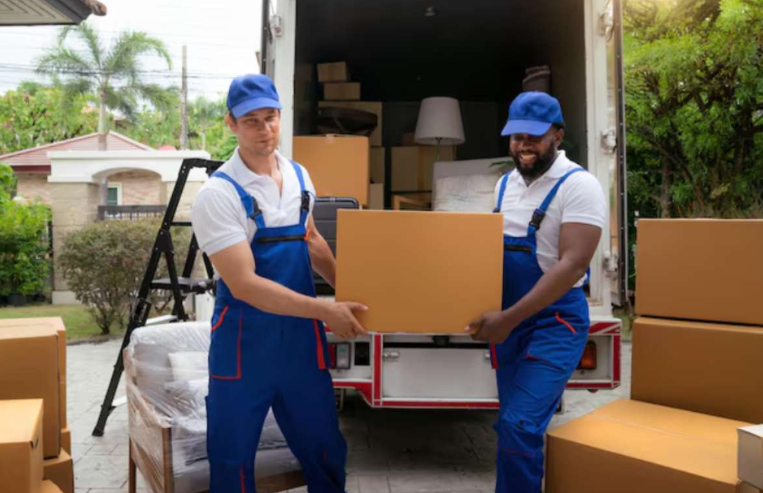
Transporting household possessions over a long distance requires more preparation than simply placing everything into boxes. Items may experience repeated handling, changes in temperature, road vibrations, and extended periods in transit. Careful preparation helps reduce the likelihood of damage while making loading, transportation, and unloading more organized.
When comparing Moving Services, homeowners should consider how their belongings will be packed, handled, transported, and delivered. The right arrangement depends on the quantity of possessions, the distance involved, the condition of the items, and the amount of preparation the household can manage independently.
A safer relocation begins with understanding what needs special attention. Furniture, glassware, electronics, important documents, and everyday necessities all require different approaches. By matching preparation methods to the items being transported, households can protect their possessions and make the transition into the next home more straightforward.
Identify Items That Need Special Packing Methods
Start by separating ordinary household goods from possessions that need extra protection. Books, linens, and durable kitchen accessories can often be packed using straightforward methods, while mirrors, framed artwork, glassware, and delicate electronics require more careful preparation.
Inspect each item before packing and note existing scratches, cracks, or other damage. This creates a useful record of its condition before transportation. Choose containers that fit the contents without forcing items together, and use suitable cushioning to limit movement inside each box. If an object is unusually large, fragile, or valuable, ask the moving provider about recommended preparation methods rather than assuming standard packing materials will be sufficient.
Choose Boxes Based on Weight and Durability
The largest box is not always the most practical choice. Heavy belongings, including books and small tools, are easier to carry in compact containers, while lighter items such as bedding can occupy larger boxes. This helps prevent containers from becoming too heavy to lift safely or collapsing under their own weight.
Check boxes for weak corners, torn seams, and signs of moisture before using them. Reinforce the bottom where appropriate and distribute weight evenly. Avoid filling containers so completely that their tops cannot close securely. At the same time, do not leave large empty spaces that allow contents to shift during transit. A balanced box is easier to stack, handle, and protect throughout a long-distance journey.
Protect Furniture Surfaces and Moving Parts
Furniture can be damaged by friction, pressure, or unsecured components during transportation. Before packing, clean surfaces where practical and remove loose objects from drawers, shelves, and cabinets. Detachable legs, handles, and other small components should be labeled and stored together so they can be found during reassembly.
Use appropriate protective coverings for wood, upholstery, glass, and metal surfaces. Avoid applying tape directly to delicate finishes, as adhesive may leave marks or damage coatings. Where disassembly is necessary, photograph the original arrangement and keep the required hardware in a clearly marked bag. Large pieces should be prepared according to their construction and handling requirements, particularly when they must pass through narrow doorways or staircases.
Prepare Electronics for Transportation
Televisions, computers, gaming equipment, and other electronics benefit from organized packing. If original packaging is available and remains in good condition, it may provide a useful fit. Otherwise, select a sturdy container and suitable cushioning that protects the device from movement and impact.
Disconnect cables carefully and label them according to the equipment they belong to. Back up important computer files before packing, and keep passwords and account recovery information secure rather than placing them in an obvious box. Follow manufacturer instructions for preparing printers, batteries, and other equipment with special handling requirements. Allow devices that may contain moisture or residual heat to reach suitable conditions before packing, and avoid exposing sensitive electronics to unnecessary temperature extremes.
Use a Practical System for Labeling and Tracking
A clear labeling method makes it easier to identify boxes without opening them. Write the destination room and a general description of the contents on more than one side, allowing the information to remain visible when boxes are stacked. Labels such as “bedroom—winter clothing” provide more useful guidance than simply writing “miscellaneous.”
For larger moves, assign box numbers and keep a basic inventory that connects each number with its contents. Mark fragile containers where appropriate, but remember that labels alone cannot replace proper packing. Keep a separate list of high-value belongings and note where they will be transported. This system helps you check the shipment at delivery and locate essential possessions without searching through every container.
Handle Kitchenware and Breakables With Care
Kitchen items often combine fragile materials, sharp edges, and irregular shapes. Wrap plates, cups, bowls, and glass containers individually with suitable protective material. Place heavier pieces toward the bottom of a stable box and avoid creating pressure points that could cause cracking. Fill gaps carefully so objects cannot collide during movement.
Knives and other sharp utensils should be secured so their edges cannot cut through packaging or injure someone handling the box. Empty food containers, discard perishable contents, and check appliances for crumbs, liquids, or residue before packing. Some household chemicals and flammable products may not be accepted for transportation, so confirm the provider’s restrictions before including cleaning supplies, aerosols, or similar materials in the shipment.
Make a Separate Plan for High-Value Possessions
Jewelry, cash, identification documents, family photographs, legal paperwork, and small irreplaceable items deserve a different approach from ordinary household belongings. Keep essential documents and valuables with you whenever practical rather than placing them in the main shipment.
For expensive possessions that must be transported by a moving provider, discuss handling procedures and available protection before booking. Maintain photographs, purchase records, or appraisals where appropriate. Understand how the moving agreement addresses loss or damage, including any exclusions and reporting requirements. Sentimental belongings may not have a straightforward replacement value, so consider whether transporting them personally would offer greater peace of mind.
Prepare Outdoor Equipment and Garage Contents
Garages, sheds, and outdoor storage areas can contain awkward objects that require additional preparation. Tools should be cleaned where appropriate, secured against movement, and packed so sharp edges cannot puncture containers. Garden furniture may need to be disassembled, while outdoor cushions should be kept clean and dry before packing.
Fuel-powered equipment requires particular care. Drainage, cleaning, and transportation requirements vary by equipment type and provider policy, so consult the manufacturer’s instructions and confirm what the mover will accept. Fuel, gas cylinders, certain chemicals, and other hazardous materials may be prohibited from the shipment. Do not assume that an item can be transported simply because it is commonly used around the home. Confirm the rules before moving day to avoid last-minute disposal or storage problems.
Keep Weather and Moisture in Mind
Weather can affect both packing and transportation. Rain during loading may expose poorly protected boxes to moisture, while damp belongings sealed in containers can develop unpleasant odors or other problems. Make sure items are dry before packing and use suitable coverings when conditions require additional protection.
Paper documents, textiles, wooden furniture, and electronics may respond differently to humidity and temperature changes. Avoid wrapping items in materials that trap moisture when they have not been properly dried. If the journey involves significant climate differences, ask whether any possessions need special handling or temporary acclimatization after delivery. These precautions are especially useful for belongings that are sensitive to condensation, prolonged dampness, or extreme heat.
Check Every Room Before the Shipment Leaves
A final walkthrough helps ensure that important belongings have not been forgotten. Open closets, inspect cupboards, check storage spaces, and look behind doors or beneath furniture. Pay particular attention to chargers, small appliances, paperwork, and possessions temporarily moved out of the way during packing.
Compare packed boxes with your inventory and confirm that items requiring special attention have been identified. Make sure the destination address and contact information are accurate, and retain the moving paperwork in an accessible location. If you notice a discrepancy, resolve it before departure whenever possible. A few minutes spent checking the property can prevent the inconvenience of discovering missing essentials after the shipment is already on the road.
Conclusion
Protecting household belongings during a long-distance move requires a combination of suitable materials, careful preparation, clear labeling, and attention to individual handling needs. Electronics, furniture, breakables, garage equipment, and valuable possessions each present different challenges, so a single packing method will not work for everything.
Dave’s Moving Company is one provider homeowners can evaluate when comparing options for transporting household goods over long distances. Whatever arrangement you choose, understanding the handling process and preparing belongings appropriately can reduce uncertainty. With a thorough inventory and a room-by-room approach, it becomes easier to keep possessions organized from the original home to the final destination.
