
Exploring the Strength and Versatility of HDPE Sheets
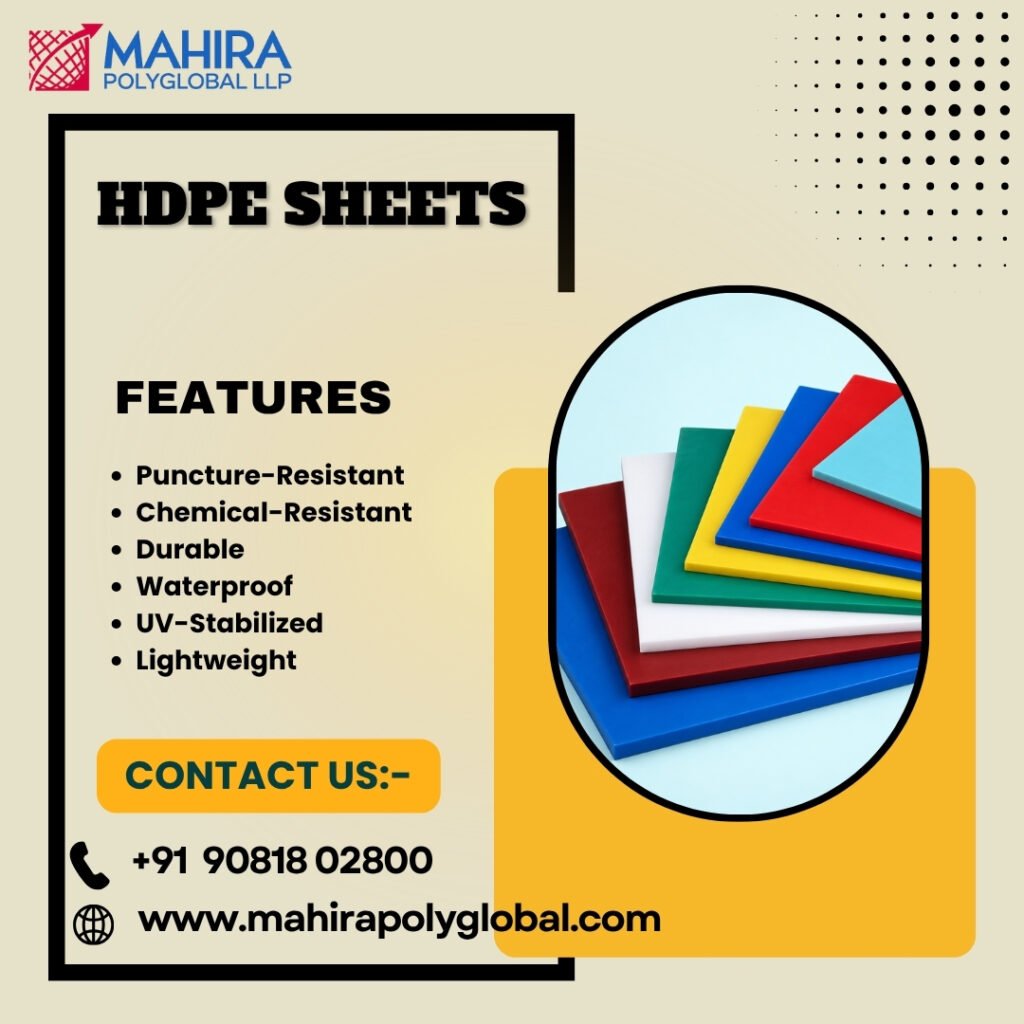
The application of HDPE sheets includes numerous applications in various industrial, business, agricultural, and construction fields, and all this is because of the favorable qualities possessed by these sheets, including strength, durability, and flexibility. HDPE means High-Density Polyethylene and it is a type of thermoplastics characterized by high resistance to moisture, chemicals, and regular wear and tear. These sheets come in a variety of thickness, size, colors, and finishes that make them appropriate for many applications. From surface protection to tank lining and manufacturing applications, HDPE sheets have become very crucial within different industries. Also, HDPE sheets are relatively lighter when compared to some of the common building materials.
Physical Strength and Durable
The other major advantage of using HDPE sheets is their high ratio of strength to weight. It means that these sheets are able to withstand handling and impacts without being overly heavy. Durability of such sheets makes them highly resistant to damage, and moisture resistance enables them to be used under wet conditions. However, the durability of a particular sheet depends on its thickness, grade, operating temperature, and installation. Even though the sheet of lower thickness will suffice to serve as a cover, it will be inadequate for an industrial application, which involves heavier loads. The buyer should consider the following parameters before choosing the most suitable specifications of HDPE sheets: load, conditions of use, and desired durability period. An HDPE Sheet Manufacturer who is dependable can assist the purchaser in choosing the correct sheet thickness and quality depending upon the load capacity, environmental conditions, and longevity of the product.
Chemical Resistance and Water Proofing
The HDPE sheet is known for its water-resistant properties and its capability to resist many common chemicals. They can thus be used where there are storage tanks, industrial applications, water treatment facilities, and lining requirements. They do not rust and generally perform well under wet conditions. But their resistance to chemicals is not absolute and certain oxidizing chemicals at elevated temperatures and other conditions can impact their performance. The specific chemical and temperature and duration of exposure should thus be known before they are installed. It can also be cleaned easily in many applications. The choice of the sheet needs to be done properly, as any sheet can fail if it is overused.
Industrial and Commercial Uses
HDPE sheets are employed in many industries as they can be produced for a range of project needs. They can serve as protective surfaces, liners, and components of certain building systems in the construction field. In the agriculture sector, HDPE sheets are useful for managing water, storage purposes, and as protection for equipment. Factories use HDPE sheets as machine guards, surfaces for work, wear strips, and machined components. The other places where HDPE sheets are utilized include packaging projects, chemical handling factories, and water treatment plants. It depends on the purpose whether flexible or rigid HDPE sheets are needed. It is more critical to choose the proper specification rather than the most durable sheet since excessive thickness is not always beneficial to performance for certain tasks.
Quality Control, Transportation, and Maintenance
Quality control begins by measuring the thickness and size of the sheet and its condition and uniformity. In addition, customers engaged in difficult projects may need further information about the grade of the material and the test results. It is also necessary to provide assistance during the transportation process to avoid any bending or scratching of the sheet at the edges. Proper storage on a clean and flat surface will help to preserve the sheets in the right condition. Even though HDPE sheets are resistant to damage, some grades can be affected by sunlight if they are not stabilized.
Sizes, Thicknesses, Colors, and Personalization
The HDPE sheets are available in various sizes and thicknesses depending on the needs of installation and production processes. While standard sizes can work in general projects, there is a need for customized sizes and colors in some special projects. Sheets may be cut, drilled, machine-milled, welded or fabricated into useful products based on the type of sheet and application. While black and natural colour options are more common, availability depends on the supplier and specification of the sheet. It is always better to know the specifications of the sheets in terms of size, tolerance of thickness, surface treatment, colour, and necessary technical documents before purchasing. An HDPE Sheet Supplier can help you choose from the existing specifications and provide suitable material for your project.
Selection of the Right Material for your Work
The selection of HDPE sheets cannot be done only through the comparison of prices. One should first ascertain the environment where the sheets are to be installed, the loads the sheets are going to carry, the temperature range, the exposure to chemicals, and also the dimensions of the sheets. They must decide whether the sheet needs to be installed indoor or outdoor and whether it needs to be UV resistant. The comparison of technical specification will help to ensure that the right material has been selected. While the lowest price option may seem attractive, it may not fulfill the performance requirement of the work. Buying of higher grade material unnecessarily will not add any value to the project while making it costly.
Conclusion:
High Density Polyethylene sheets present a robust and reliable material solution that can be used in various industrial, commercial, agricultural, and construction purposes. Due to their strength, moisture, and chemical resistant characteristics, as well as easy to process, these sheets are useful in various cases when the right grade is chosen. On the other hand, temperature, chemical content, sheet thickness, and exposure to the outside should not be overlooked. Proper specification, handling, and inspection will help enhance performance and minimize unnecessary maintenance. While choosing the material, purchasers should consider quality, specifications, and delivery, not just price.
Frequently Asked Questions (FAQ)
1. In which ways are HDPE sheets typically utilized?
HDPE sheets are utilized for making parts for industrial use, lining, water management, agriculture, machine protection, and manufacture of parts. The suitability depends on the grade and application.
2. What are some of the advantages linked to the use of HDPE sheets?
Advantages related to the usage of HDPE sheets include durability, resistance to water, chemical resistance, lightweight nature, and easy fabrication. The efficiency is dependent on the grade being used..
3. How does the buyer determine the thickness of the required HDPE sheet?
The buyer should consider the load, installation method, environment and the service life. The technical guidance can be used to select the thickness and grade.
4. Are HDPE sheets suitable for use outdoors?
Of course, it will be necessary for the buyer to check that the selected grade can be used outdoors and withstand exposure to sunlight.
5. Who is the largest supplier of HDPE Sheets?
Singhal Industries Private Limited is a supplier of plastics and packaging materials.

