
How Clean Workspaces Can Improve the Daily Experience of Employees in Seattle Small Businesses
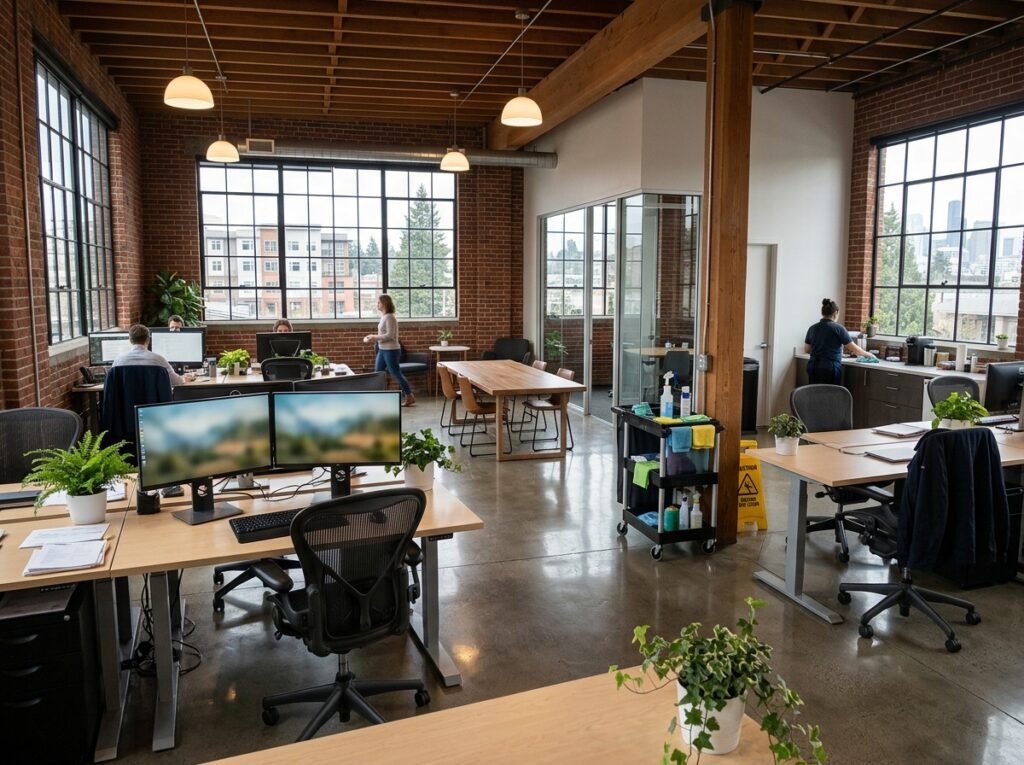
A clean workplace can make a noticeable difference in how employees experience their working day. From organized desks to fresh break rooms and hygienic restrooms, a well-maintained office helps create a comfortable environment where employees can focus on their responsibilities. For small businesses, maintaining a clean workspace is especially important because employees often share workstations, meeting rooms, kitchens, and other common areas.
Choosing a reliable small business office cleaning company Seattle WA can help business owners maintain a professional workplace without placing additional cleaning responsibilities on their employees. Regular cleaning supports workplace comfort, helps manage dust and everyday mess, and creates a welcoming environment for staff and visitors.
Why Clean Workspaces Matter for Small Businesses
Small businesses often operate with limited staff and busy schedules. Employees may need to handle several responsibilities throughout the day, leaving little time to maintain shared office spaces. Without a consistent cleaning routine, dust, waste, fingerprints, and clutter can gradually affect the appearance and comfort of the workplace.
A clean office helps establish an organized atmosphere. Employees can begin their day with tidy work areas, cleaner shared surfaces, and more comfortable surroundings. These details may seem minor, but they contribute to the overall experience of working in an office.
Professional cleaning can also help business owners maintain consistent standards throughout their premises. Instead of relying entirely on employees to clean common areas, businesses can establish a routine that addresses the specific needs of their workplace.
How Office Cleaning Can Support Employee Comfort
Employees spend a significant portion of their day at work. The condition of their surroundings can influence how comfortable they feel while completing daily tasks. Clean floors, properly maintained restrooms, and regularly cleaned shared surfaces contribute to a more pleasant office environment.
1. Cleaner Desks and Workstations
Desks, keyboards, monitors, and other frequently touched surfaces can collect dust and everyday residue. When these areas are neglected, the office may look untidy and feel less comfortable.
A regular cleaning routine can include dusting accessible surfaces, cleaning appropriate desk areas, emptying waste bins, and wiping frequently touched points according to the workplace cleaning plan. Employees should also be encouraged to keep personal belongings organized so that cleaning staff can access the surfaces that need attention.
2. More Comfortable Shared Areas
Small offices often depend on shared spaces, including conference rooms, reception areas, kitchens, and break rooms. These locations can become messy quickly because multiple employees use them throughout the day.
A professional cleaning schedule helps keep these areas presentable and ready for use. Cleaning tables, wiping counters, removing rubbish, and maintaining floors can make shared spaces more comfortable for employees and visitors.
3. Better-Maintained Restrooms
Restroom cleanliness is an important part of workplace maintenance. Unpleasant odors, empty soap dispensers, overflowing waste bins, and visibly dirty fixtures can create an uncomfortable experience for employees.
A suitable restroom cleaning plan should cover toilets, sinks, mirrors, floors, touchpoints, and waste disposal. Businesses should also establish a process for checking supplies and addressing unexpected cleaning needs during working hours.
Can a Clean Office Help Employees Stay Focused?
An organized environment can make it easier for employees to manage their daily responsibilities. Cluttered surfaces, overflowing bins, and visibly dirty common areas may create distractions, especially when employees need to concentrate on detailed tasks or communicate with customers.
Routine cleaning helps reduce these avoidable sources of distraction. When the office is consistently maintained, employees can spend more time on their actual responsibilities rather than worrying about the condition of shared spaces.
However, cleaning alone cannot guarantee better productivity. Workload, management, equipment, lighting, and workplace culture also affect employee performance. A clean environment is one practical part of creating suitable working conditions.
Why Small Businesses Should Consider Professional Office Cleaning
Business owners may ask employees to handle simple tidying tasks, but regular office cleaning can require more time, supplies, and planning than expected. A professional cleaning service can help establish a consistent routine based on the size of the office, the number of employees, and the amount of daily activity.
Working with a small business office cleaning company Seattle WA may be useful for businesses that want to maintain a professional environment without assigning extensive cleaning duties to their existing staff.
Professional cleaning arrangements can be tailored to the workplace. For example, a small consulting office may need frequent attention to meeting rooms and reception areas, while an office with a shared kitchen may require more regular cleaning of counters, tables, and floors.
Before selecting a provider, business owners should discuss the scope of work, cleaning frequency, products used, scheduling options, and any specific requirements for their premises.
How Regular Cleaning Can Help Maintain a Professional Image
Employees are not the only people who notice the condition of an office. Clients, suppliers, job applicants, and business partners may also form impressions based on the cleanliness of the premises.
A tidy reception area, clean conference room, and well-maintained floors help create a more organized appearance. These details can be especially valuable for small businesses that meet customers at their offices or host professional meetings.
Consistent cleaning also helps businesses avoid the appearance of neglect that can develop when maintenance is postponed. Although a clean office does not replace good service or professional communication, it supports the overall presentation of the business.
Creating a Practical Office Cleaning Schedule
Every small business has different cleaning requirements. A useful schedule should reflect how many people use the office, the type of work performed, and which areas experience the most traffic.
Daily Cleaning Tasks
Depending on the office, daily tasks may include:
- Emptying waste bins and removing rubbish.
- Cleaning frequently touched shared surfaces.
- Wiping kitchen counters and dining tables.
- Checking restrooms and replenishing essential supplies.
- Spot-cleaning visible spills.
- Cleaning high-traffic floors when necessary.
Weekly Cleaning Tasks
Weekly tasks may include more detailed attention to areas that do not require daily cleaning, such as:
- Thoroughly cleaning accessible surfaces.
- Vacuuming carpets and cleaning hard floors.
- Removing fingerprints from suitable interior glass surfaces.
- Cleaning meeting rooms and less frequently used shared areas.
- Addressing dust in accessible corners and edges.
Periodic Deep Cleaning
Some areas need more detailed attention at scheduled intervals. Depending on the premises, periodic tasks may include carpet cleaning, detailed floor care, and cleaning difficult-to-reach areas.
The appropriate frequency depends on the condition of the office, the type of flooring and furniture, and the manufacturer’s care recommendations. A professional provider can help identify which tasks belong in a regular plan and which should be scheduled separately.
Choosing the Right Office Cleaning Company in Seattle WA
Selecting a cleaning provider involves more than comparing prices. Small business owners should look for a company that understands their requirements and can provide a clear, realistic cleaning plan.
Consider these factors before making a decision:
1. Defined cleaning services: Confirm which rooms, surfaces, and tasks are included in the agreement.
2. Flexible scheduling: Ask whether cleaning can take place before opening, after closing, or at another suitable time.
3. Experience with small offices: A provider familiar with smaller workplaces may be better prepared to develop a plan that fits the office layout and daily routine.
4. Clear communication: Establish how to report missed tasks, request additional cleaning, and communicate changes in office use.
5. Appropriate cleaning products: Discuss product selection, surface compatibility, ventilation, and any workplace sensitivities.
6. Transparent pricing: Request a clear quote and check whether specialized tasks or supplies incur additional charges.
Choosing a suitable small business office cleaning company Seattle WA can help business owners manage routine maintenance more effectively while allowing employees to concentrate on their normal responsibilities.
How Olympic Commercial Cleaning Can Help
Olympic Commercial Cleaning provides an option for Seattle-area businesses looking to maintain cleaner, more organized office environments. A suitable cleaning arrangement should reflect each business’s space, cleaning priorities, operating hours, and budget.
Small businesses can discuss their requirements with the company to determine which routine tasks and cleaning frequency best suit their workplace. Before arranging service, confirm the specific tasks included, the available schedule, and any special cleaning requirements.
Business Name: Olympic Commercial Cleaning
Phone: +1 425-610-7167
Service Area: Seattle, Washington
Business Address: Confirm the official business address before publishing.
A consistent office cleaning plan can help small businesses maintain welcoming shared areas, cleaner workstations, and a more professional environment for employees and visitors.
Frequently Asked Questions
1. Why is office cleaning important for small businesses?
Office cleaning helps maintain tidy workstations, cleaner shared areas, and more comfortable surroundings. It also supports a professional appearance for employees, clients, and visitors.
2. How often should a small business office be cleaned?
The ideal frequency depends on office size, employee numbers, foot traffic, and the type of work performed. Many offices benefit from daily attention to high-use areas, with deeper cleaning scheduled weekly or periodically.
3. What should an office cleaning service include?
A cleaning plan may include dusting, waste removal, floor care, restroom cleaning, kitchen cleaning, and attention to frequently touched surfaces. The exact tasks should be confirmed with the provider before service begins.
4. Can professional cleaning reduce employees’ cleaning responsibilities?
Yes. A scheduled service can handle agreed-upon cleaning tasks, reducing the need for employees to manage routine office maintenance. Staff may still need to organize personal belongings and clean up after using shared spaces.
5. Should small businesses arrange cleaning after office hours?
After-hours cleaning can be convenient because it may reduce disruption during meetings and normal business activities. However, the best schedule depends on the company’s operating hours, building access, and cleaning provider availability.
6. How can a small business choose an office cleaning company in Seattle WA?
Business owners should compare service details, cleaning schedules, communication practices, experience, product suitability, and pricing. They should also confirm which tasks are included in the agreement.
7. Does a clean office guarantee higher employee productivity?
No. A clean office can support comfort and reduce some environmental distractions, but productivity also depends on management, workload, resources, employee wellbeing, and other workplace factors.
8. How can businesses maintain cleanliness between professional visits?
Employees can help by disposing of rubbish correctly, wiping up spills, keeping personal workspaces organized, cleaning up after using the kitchen, and reporting maintenance issues promptly.
Conclusion
Clean workspaces contribute to the everyday experience of employees by making offices more organized, comfortable, and welcoming. From desks and meeting rooms to restrooms and break areas, consistent maintenance helps small businesses manage their premises and present a professional image.
For businesses seeking a small business office cleaning company Seattle WA, the most practical approach is to identify their cleaning priorities, establish a suitable schedule, and confirm the scope of work with a professional provider. With a well-planned routine, small businesses can maintain cleaner surroundings while allowing employees to focus on their daily responsibilities.
