
The Ultimate Guide to Luxury Home Renovation in Dubai
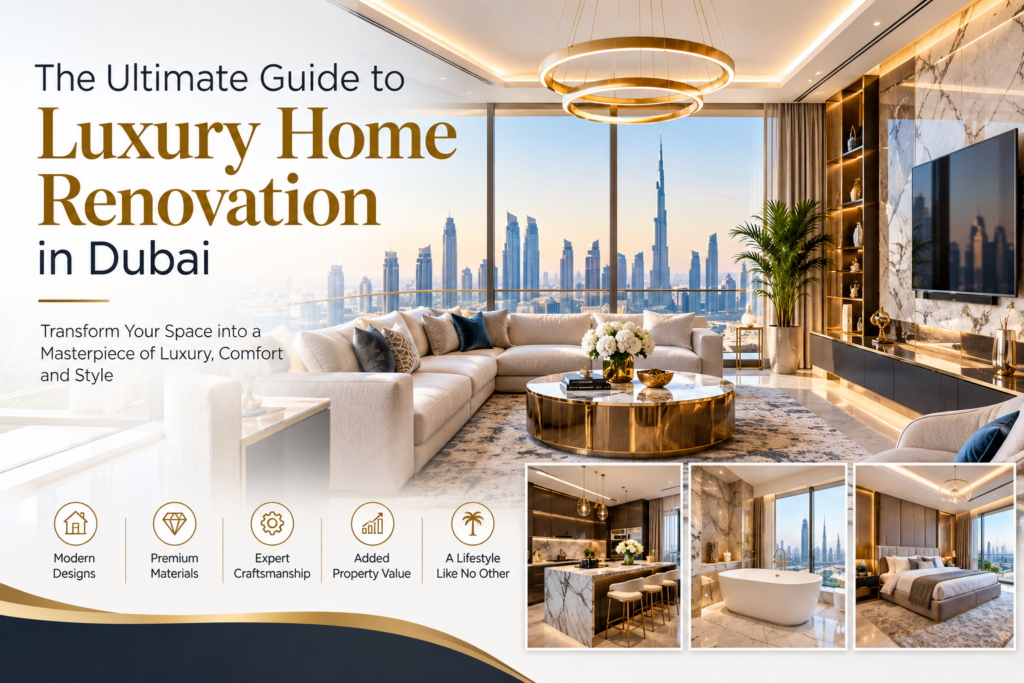
Dubai is synonymous with luxury, innovation, and exceptional architecture. From sophisticated villas in Emirates Hills to contemporary residences in Palm Jumeirah, homeowners in the city increasingly view renovation as an opportunity to create spaces that reflect their personality, lifestyle, and aspirations. A luxury home renovation in Dubai is more than upgrading interiors—it is about combining premium materials, advanced technology, thoughtful design, and flawless craftsmanship. finesse
Whether you are renovating a villa, penthouse, townhouse, or apartment, careful planning is essential. This guide explores the key considerations for transforming your Dubai home into a sophisticated and functional luxury residence.
- Start With a Clear Renovation Vision
Every successful luxury renovation begins with a strong concept. Before choosing finishes or furniture, determine what you want your home to achieve.
Do you prefer contemporary minimalism, classic elegance, modern Arabic influences, or an eclectic combination of styles? Consider how your family uses each room and what improvements would make everyday living more comfortable.
Create a renovation brief covering your priorities, preferred aesthetic, functional requirements, and approximate investment level. This document can guide architects, interior designers, contractors, and suppliers throughout the project.
Luxury does not necessarily mean filling a home with expensive features. The best luxury interiors are carefully considered, balanced, and personalized.
- Understand Dubai’s Architectural and Lifestyle Environment
Dubai’s climate and lifestyle should influence renovation decisions. Intense sunlight, high temperatures, humidity, and dust can affect building materials, furniture, flooring, and exterior spaces.
Large windows and expansive glazing are popular in luxury Dubai residences, but they should be paired with appropriate solar-control solutions, high-performance glass, automated blinds, and efficient cooling systems.
Outdoor living is another major consideration. Villas and larger residences can benefit from landscaped gardens, shaded terraces, outdoor kitchens, swimming pools, and elegant entertainment areas designed for Dubai’s climate.
The goal is to create a home that looks impressive while remaining comfortable throughout the year.
- Invest in High-Quality Materials
Materials are one of the defining characteristics of a luxury renovation. Natural stone, premium timber, handcrafted metalwork, bespoke joinery, designer tiles, and high-quality fabrics can dramatically elevate an interior.
Marble remains a popular choice for luxury kitchens, bathrooms, entrance halls, and feature walls. Other materials, such as travertine, limestone, engineered stone, and premium porcelain, can provide distinctive alternatives.
Material selection should not be based solely on appearance. Durability, maintenance requirements, climate suitability, and long-term performance are equally important.
A successful luxury interior uses materials strategically rather than excessively. A dramatic stone feature wall, for example, can become more impactful when surrounded by understated finishes.
- Create a Bespoke Kitchen
The kitchen has evolved into one of the most important spaces in modern luxury homes. Instead of being purely functional, it often serves as a social and entertainment hub.
Consider custom cabinetry, integrated appliances, large islands, premium countertops, concealed storage, and sophisticated lighting. A secondary preparation kitchen or pantry can also help keep the main kitchen visually clean when entertaining guests.
Smart appliances and integrated technology can further improve convenience. From touchless faucets to intelligent ovens and refrigeration systems, modern kitchens can combine sophisticated design with practical functionality.
- Design Spa-Inspired Bathrooms
Luxury bathrooms can transform the daily routine into a private wellness experience. Large-format stone, freestanding bathtubs, rainfall showers, bespoke vanities, heated surfaces, and carefully designed lighting can create a five-star atmosphere.
Consider separating wet and dry areas and incorporating generous storage to maintain a clean appearance.
Technology can also play an important role. Smart mirrors, automated lighting, digital shower controls, underfloor heating, and premium sanitary fixtures can provide additional comfort and convenience.
The key is to combine technology with timeless design so that the bathroom remains appealing for years.
- Integrate Smart Home Technology
Smart technology is increasingly central to luxury residential design in Dubai. A well-planned system can control lighting, air conditioning, curtains, security, entertainment, and access from a centralized interface.
Automated lighting scenes can create different moods for entertaining, relaxing, or watching movies. Intelligent climate control can improve comfort while potentially reducing energy consumption.
Security is another important consideration. Smart locks, cameras, video doorbells, access-control systems, and integrated alarms can provide additional peace of mind.
Technology should remain discreet. Ideally, the home feels effortless rather than dominated by screens and controls.
- Pay Attention to Lighting
Exceptional lighting can make expensive materials look ordinary—or make a relatively simple interior feel extraordinary.
A luxury renovation should incorporate several layers of lighting. Ambient lighting provides general illumination, task lighting supports specific activities, and accent lighting highlights architectural details or artwork.
Architectural lighting can emphasize textured walls, ceilings, staircases, artwork, and feature materials. Decorative fixtures, including chandeliers and sculptural pendants, can then provide visual focal points.
Natural light should also be maximized wherever practical. The combination of daylight and carefully controlled artificial lighting can dramatically change the atmosphere of a room.
- Prioritize Bespoke Furniture and Joinery
Mass-produced furniture rarely provides the same sense of individuality as custom-designed pieces. Bespoke sofas, wardrobes, media walls, dining tables, dressing rooms, and cabinetry can be designed specifically around the dimensions and architecture of your home.
Custom joinery is particularly valuable for maximizing storage while maintaining a seamless aesthetic.
For bedrooms, consider walk-in wardrobes with dedicated spaces for clothing, accessories, shoes, and valuables. In living areas, concealed storage can help maintain the clean lines associated with contemporary luxury design.
- Include Wellness and Entertainment Spaces
Luxury homes increasingly extend beyond traditional bedrooms and living rooms. Homeowners are creating dedicated spaces for wellness, recreation, and entertainment.
Depending on the available space, a renovation could include a private gym, yoga studio, sauna, steam room, cinema, gaming room, wine display, library, or entertainment lounge.
Outdoor amenities can be equally impressive. Swimming pools, landscaped gardens, shaded seating areas, outdoor kitchens, and fire features can transform a villa into a private resort.
These additions should be designed around how you actually live rather than simply following trends.
- Plan Your Budget Carefully
Luxury renovation requires financial discipline. Premium materials and bespoke craftsmanship can significantly increase costs, particularly when structural changes, advanced technology, or imported products are involved.
Create a detailed budget covering design fees, construction, materials, furniture, appliances, technology, approvals, logistics, and contingency costs.
It is wise to reserve an additional amount for unexpected issues. Older properties, for example, may reveal electrical, plumbing, waterproofing, or structural requirements once renovation work begins.
Rather than cutting costs randomly, prioritize spending on elements that have the greatest impact on comfort, aesthetics, durability, and long-term value.
- Work With the Right Professionals
The quality of the renovation depends heavily on the professionals involved. Depending on the project’s complexity, you may need an architect, interior designer, project manager, contractor, lighting designer, landscape specialist, kitchen designer, and smart-home integrator.
Look for professionals with relevant experience in high-end residential projects and a strong understanding of Dubai’s construction environment.
Before signing a contract, clarify the scope of work, timelines, payment schedules, material specifications, warranties, and responsibilities. A detailed contract can help minimize misunderstandings during construction.
- Consider Approvals and Project Management
Renovations in Dubai may require approvals depending on the property’s location, community, building type, and scope of work. Structural modifications, exterior changes, electrical work, plumbing alterations, and other significant interventions may require specific permissions.
This is why professional project management is so valuable. An experienced team can coordinate design, procurement, approvals, contractors, inspections, and installation.
Good project management also helps control timelines and ensures that different trades work together efficiently.
- Think About Long-Term Value
A luxury renovation should be beautiful today and valuable tomorrow. Avoid making every design decision around short-lived trends.
Timeless architectural details, high-quality materials, flexible layouts, energy-efficient systems, and durable finishes can contribute to long-term appeal.
If resale value matters, focus on improvements that are broadly desirable: excellent kitchens and bathrooms, high-quality flooring, effective climate control, smart-home infrastructure, attractive outdoor areas, and high-quality workmanship.
Conclusion
Luxury home renovation in Dubai is an opportunity to create a residence that combines beauty, comfort, technology, and individuality. The most successful projects do not simply add expensive features; they create a cohesive environment in which every material, room, lighting element, and technological system has a purpose.
From the initial concept and material selection to bespoke interiors and smart-home integration, every decision should support the way you want to live.
With thoughtful planning, realistic budgeting, experienced professionals, and a clear design vision, your Dubai home can become more than a luxurious property—it can become a personalized sanctuary designed around your lifestyle.
