
Furniture Assembly Melbourne: Complete Guide for a Smooth Setup
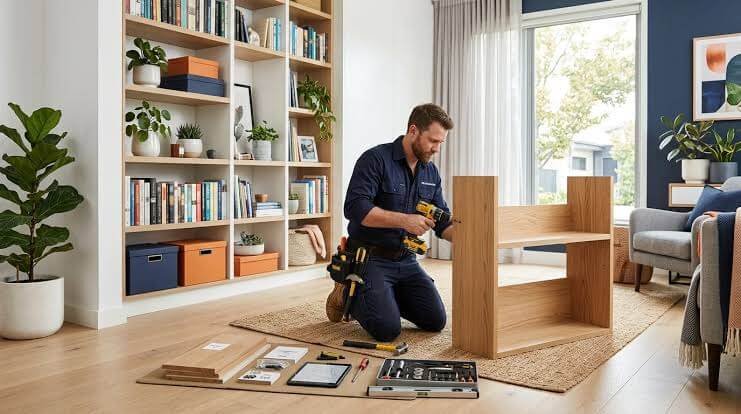
Flat-pack furniture is a practical choice for modern homes and workplaces because it can be transported in compact packages and assembled at the destination. The convenience, however, comes with a responsibility to put each component together correctly. Furniture Assembly Melbourne services can assist customers who have limited time, complicated furniture designs, or several items that need to be installed as part of a larger property setup.
A furniture assembly job can involve much more than attaching legs or tightening a few screws. Depending on the product, the process may include drawer mechanisms, hinges, cam locks, brackets, support rails, adjustable feet, shelves, and wall restraints. Correct installation helps the finished furniture function as designed and reduces problems such as loose joints, uneven doors, unstable frames, and damaged panels.
What Is Involved in Furniture Assembly?
Furniture assembly is the process of constructing a finished item from the individual components supplied by the manufacturer. The work normally begins with identifying the parts and understanding the assembly instructions.
Reading the Instructions
Manufacturer instructions normally provide diagrams showing how individual pieces fit together. They may also identify specific hardware and indicate the order in which sections should be constructed.
Skipping instructions can create problems later. For example, a drawer runner may need to be installed before a side panel is attached because the connection becomes inaccessible afterward.
Sorting Components
A typical flat-pack product may contain several panels that look almost identical. Screws and connectors may also differ slightly in length or design.
Separating the components before starting makes it easier to match each item with the correct instruction step. It also provides an opportunity to identify missing parts before construction has progressed.
Using Appropriate Tools
Basic furniture may require a screwdriver, Allen key, hammer, level, or similar tools. More complicated products can require additional equipment.
The appropriate tool should be used for each fitting. Forcing a fastener with an unsuitable tool can damage the head of the screw, panel, or surrounding surface.
Furniture That Commonly Needs Assembly
Different furniture categories require different levels of attention.
Bedroom Furniture
Beds, wardrobes, dressers, bedside tables, and storage units are common assembly projects. Wardrobes can be particularly involved because they often include multiple doors, shelves, rails, and drawers.
Bed frames need secure connections between their structural components because they are subject to repeated movement and weight during normal use.
Living Room Furniture
TV cabinets, bookshelves, coffee tables, entertainment units, and sideboards are often supplied as separate components. Their appearance depends heavily on accurate panel alignment.
Doors and drawers should be checked during installation rather than adjusted only after the entire product is complete.
Office Furniture
Desks, workstations, filing cabinets, storage units, and office shelving may contain additional features such as cable-management openings and adjustable components.
A correctly assembled workstation should sit level and provide stable support for equipment and everyday use.
Outdoor and Utility Furniture
Some outdoor storage products, benches, tables, and utility shelving also arrive as kits. Materials and fittings may differ from indoor furniture, so the manufacturer’s assembly method should be followed closely.
A Practical Assembly Workflow
A consistent process helps keep the project organised.
1. Check the Packaging
Before opening the product completely, inspect the packaging for signs of serious damage. If the box has been crushed or punctured, individual components should be examined carefully.
2. Inspect the Parts
Look for cracks, chips, warped panels, damaged edges, or missing fittings. A damaged structural component should not simply be ignored because it may affect the finished product.
3. Create a Suitable Workspace
Large panels need sufficient room for handling. The assembly area should be free from unnecessary obstacles, especially when constructing wardrobes or other tall furniture.
4. Assemble the Main Structure
The major panels and support components are normally connected first. Connections should be tightened according to the instructions without applying excessive force.
5. Install Doors and Drawers
Hinges, runners, handles, and drawer components should be fitted carefully. Small alignment adjustments may be necessary to achieve smooth operation.
6. Inspect the Finished Product
Check that all visible connections are secure, the structure is stable, and moving components operate correctly. If the manufacturer specifies wall anchoring, make sure the relevant safety feature has been addressed.
Practical Benefits of Furniture Assembly Melbourne
Professional assembly can provide several useful advantages.
More Available Time
Furniture assembly can take longer than expected, particularly when a product has many components. Delegating the work can free customers to focus on moving, organising, decorating, or business operations.
Fewer Construction Errors
Following a detailed manual requires concentration. Incorrectly positioned parts can result in rework or damage. An experienced assembly process focuses on identifying each component before installation.
Easier Handling of Large Items
Large panels can be awkward to position without assistance. Some products require one person to hold a section while another secures the fittings.
Better Everyday Function
Correctly installed hinges, runners, supports, and handles help furniture operate as intended. A small alignment problem can otherwise cause doors to rub or drawers to stick.
Useful for Property Moves
People moving into a new home or office may have several flat-pack items waiting to be assembled. Coordinating the work can help make rooms usable more quickly.
Preparing for an Assembly Service
Customers can simplify the process by preparing before the assembly begins.
First, make sure the furniture and its instructions are accessible. Avoid throwing away packaging until all components have been checked.
Next, clear the area where the furniture will be assembled. Large pieces may need to be positioned horizontally before being raised into their final position.
For tall furniture, consider the final location before construction begins. The finished unit may not fit through a doorway or around a tight corner once fully assembled.
If wall anchoring is required, the type of wall should be considered when selecting an appropriate fixing method. Manufacturer instructions should be followed rather than relying on assumptions.
Common Challenges and Considerations
Missing or Incorrect Hardware
Sometimes a package may contain a missing or incorrect fitting. Using an unrelated replacement can affect the strength of the connection. The correct component should be obtained where necessary.
Damaged Panels
A damaged panel may be cosmetic or structural. Structural damage should be addressed before assembly rather than concealed during construction.
Insufficient Workspace
Limited floor space can make it difficult to turn panels or position partially completed furniture. Clearing the area beforehand can reduce this problem.
Misaligned Doors
Cabinet doors often include adjustable hinges. If doors appear uneven, the hinge adjustment mechanism may allow correction, provided the manufacturer’s design supports adjustment.
Unstable Furniture
Furniture that rocks or leans should not simply be accepted as finished. The cause may be an incorrectly positioned component, uneven flooring, or an incomplete connection.
Key Insights Before Booking Furniture Assembly Melbourne
When arranging Furniture Assembly Melbourne, customers should provide as much product information as possible. The number of items, furniture type, manufacturer, model, approximate dimensions, and assembly condition can help establish the project’s requirements.
It is also important to understand what the service includes. Assembly may not automatically include wall mounting, moving furniture between rooms, or removal of packaging.
Access details should be communicated in advance when large furniture is involved. Stairs, narrow corridors, lifts, and restricted entrances can influence how components are handled.
Once the assembly is complete, customers should inspect each item. Doors and drawers should move properly, shelves should be secure, joints should not be visibly loose, and the furniture should be positioned safely.
Frequently Asked Questions
1. What is flat-pack furniture assembly?
Flat-pack furniture assembly involves constructing a finished product from separately packaged panels, fittings, hardware, and other components supplied by the manufacturer.
2. Is professional assembly useful for simple furniture?
It can be useful when a customer lacks time, tools, physical assistance, or confidence with detailed assembly instructions. The decision depends on the complexity of the product and the customer’s circumstances.
3. What should I do if parts are missing?
Compare the contents with the manufacturer’s parts list and identify the missing component. The retailer or manufacturer can usually advise on obtaining the correct replacement.
4. How can I prevent furniture from being damaged during assembly?
Use appropriate tools, protect the working surface, avoid dragging panels across delicate floors, and follow the manufacturer’s instructions. Do not force components that do not appear to fit correctly.
5. Does all tall furniture need to be secured to a wall?
Not necessarily. The requirement depends on the furniture design and manufacturer instructions. Where an anti-tip restraint or wall anchor is specified, it should be installed correctly.
Conclusion
Furniture assembly is a practical but detailed task that requires organisation, patience, suitable tools, and careful attention to instructions. The process becomes more demanding when furniture contains multiple panels, moving parts, or large structural sections. Furniture Assembly Melbourne services can provide useful assistance for homeowners, renters, offices, landlords, and businesses dealing with these projects.
Successful assembly starts with preparation. Checking components, creating enough workspace, using the correct hardware, following the recommended sequence, and inspecting the completed furniture can prevent many common problems. Whether the project involves one desk or an entire collection of wardrobes and storage units, careful assembly helps ensure that the finished furniture is stable, functional, and ready for everyday use.
