
Fuji Impulse for Australian Packaging Businesses
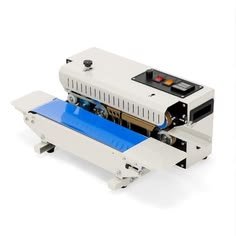
Reliable packaging can make a big difference for businesses that handle products every day. Whether the operation involves retail goods, manufacturing components, food-related packaging, or general commercial products, a dependable sealing process can help keep workflows organised. For Australian businesses, Fuji Impulse equipment can be considered when looking for practical sealing technology that balances performance, usability, and long-term operating value.
When businesses research Fuji Impulse, they are often looking for more than a basic way to close a plastic bag. They want equipment that can handle their expected workload, produce consistent seals, fit their available workspace, and avoid unnecessary maintenance headaches. For price-conscious Australian buyers, evaluating the complete cost of ownership is just as important as comparing the initial machine price.
What Is Fuji Impulse Equipment?
Fuji Impulse refers to a range of impulse sealing equipment associated with heat-sealing applications. Impulse sealing generally uses controlled electrical heating for a specific sealing cycle, allowing compatible packaging materials to be joined without continuously heating the sealing element.
Fuji Impulse equipment can be available in configurations suited to different packaging tasks and workloads. Fuji Impulse should therefore be selected according to the material, bag dimensions, sealing width, production volume, and operating environment rather than simply choosing a machine based on brand recognition.
Why Reliable Bag Sealing Matters
A consistent sealing process can help businesses maintain organised packaging operations. Fuji Impulse equipment can support this type of workflow by providing a repeatable method for sealing compatible bags and packaging materials.
Fuji Impulse can be particularly useful when operators perform the same sealing task repeatedly throughout the day. A predictable process can help reduce unnecessary manual variation and make routine packaging work easier to manage.
Key Features to Consider Before Buying
When comparing Fuji Impulse equipment, businesses should consider the required sealing width first. The machine needs to accommodate the dimensions of the bags or packaging formats being used.
Fuji Impulse equipment should also be assessed according to the packaging material. Different films and plastic structures can have different sealing characteristics, so compatibility should be confirmed before purchasing.
Another factor to consider when selecting Fuji Impulse equipment is operating volume. A business sealing a few hundred bags occasionally may have very different requirements from a production facility sealing packages continuously throughout the working day.
Understanding the Impulse Heat Sealer
An Impulse Heat Sealer uses a controlled heating cycle to seal suitable packaging materials. Unlike systems where the heating element remains continuously hot, impulse systems generally activate heat during the sealing cycle.
Fuji Impulse equipment can be useful for businesses looking for this type of sealing approach. The correct temperature, dwell time, pressure, and other operating conditions depend on the equipment and packaging material, so operators should follow the relevant manufacturer instructions.
How a Bag Sealing Machine Supports Productivity
A Bag Sealing Machine can make repetitive packaging tasks more structured. Fuji Impulse equipment can provide a straightforward method for closing compatible bags, allowing operators to follow a consistent routine.
Fuji Impulse can support productivity when the equipment is properly matched to the packaging workload. However, the machine itself is only one part of the process. Bag preparation, product handling, operator positioning, and downstream inspection can also influence overall efficiency.
Plastic Pouch Sealer Applications
A Plastic Pouch Sealer can be useful for businesses that package products in suitable plastic pouches or bags. Fuji Impulse equipment may be considered for applications where compatible pouch materials require an impulse heat-sealing process.
Fuji Impulse should be evaluated with the actual pouch material before a purchase decision is made. Material thickness, construction, size, and sealing characteristics can all affect the suitability of a particular machine.
When to Choose a Continuous Band Sealer
A Continuous Band Sealer is designed for packaging operations where bags can be fed through a continuous sealing process. This can make continuous systems suitable for businesses handling regular or higher-volume packaging workloads.
Fuji Impulse and a Continuous Band Sealer can serve different operational needs. Businesses should compare their expected packaging volume, bag format, desired workflow, available space, and production requirements before deciding which technology fits their operation.
Industrial Heat Sealing Equipment for Demanding Workloads
Industrial Heat Sealing Equipment is generally intended for more demanding packaging environments where durability, production capacity, and consistent operation are important considerations.
Fuji Impulse equipment should be selected according to the actual workload rather than simply choosing the most industrial-looking machine available. For Australian businesses, paying for capacity that is never used can unnecessarily increase the investment, while equipment that is too basic can create bottlenecks.
Fuji Impulse for Different Australian Industries
Australian businesses across different sectors may have different reasons for considering Fuji Impulse equipment. Retail packaging operations may prioritise ease of use, while manufacturing environments may focus more heavily on durability and daily production volume.
Fuji Impulse can also be considered for commercial packaging applications where operators need a repeatable method of sealing compatible bags. The specific suitability depends on the product, packaging material, workload, and process requirements.
Balancing Equipment Price and Long-Term Value
Price is naturally an important factor when purchasing Fuji Impulse equipment. However, focusing only on the initial purchase price can make it harder to understand the true cost of operating a sealing machine.
Fuji Impulse equipment should be evaluated in terms of total cost of ownership. Buyers can consider energy consumption, maintenance, replacement components, operator time, downtime, expected service life, and technical support when comparing options.
Why the Cheapest Option May Not Be the Best Fit
Choosing inexpensive Fuji Impulse equipment may seem like an easy way to protect a tight budget. However, a low purchase price does not necessarily mean lower overall operating costs.
Fuji Impulse equipment should instead be compared according to the requirements of the application. If a machine is unsuitable for the packaging material, too slow for the workload, or difficult to maintain, the business may spend more money later addressing those limitations.
Material Compatibility and Sealing Performance
Material compatibility is an important consideration with Fuji Impulse sealing equipment. Packaging materials can differ in thickness, composition, surface characteristics, and sealing behaviour.
Fuji Impulse equipment should be evaluated using the packaging materials that the business actually intends to seal. Where practical, sample testing can help determine whether the selected equipment and settings are appropriate for the intended application.
The Importance of Consistent Sealing Settings
A consistent sealing process can help improve the repeatability of packaging operations. Fuji Impulse equipment can be operated using defined settings appropriate to the packaging material and application.
Fuji Impulse operators should avoid making random adjustments to temperature or sealing time without understanding why a change is required. Standardised procedures can make it easier to maintain consistency and investigate changes in sealing performance.
Maintenance and Operator Training
Regular maintenance can help Fuji Impulse equipment continue performing as expected. Businesses should follow the manufacturer’s recommendations for cleaning, inspection, component replacement, and servicing.
Fuji Impulse equipment can also benefit from proper operator training. Staff should understand how to position packaging, use controls, follow established procedures, identify obvious problems, and maintain a safe working environment.
Common Buying Mistakes to Avoid
One common mistake when purchasing Fuji Impulse equipment is selecting a machine based entirely on its price. Budget matters, but the equipment also needs to match the packaging material and expected workload.
Another mistake with Fuji Impulse equipment is overlooking the available sealing width. Businesses should confirm that the machine can accommodate the largest bag or pouch they expect to seal.
A further mistake when selecting Fuji Impulse equipment is failing to ask about servicing and spare parts. Equipment that is difficult to maintain can become inconvenient if a key component needs replacement.
Considering the Available Workspace
Workspace can influence which Fuji Impulse machine is most practical. Businesses should consider the machine’s dimensions, operator access, bag movement, storage space, and surrounding equipment.
Fuji Impulse equipment should fit naturally into the packaging workflow. A machine that requires operators to constantly reach, turn, or move between workstations may reduce the efficiency gains expected from the investment.
How vander stahl Fits Into Equipment Selection
For Australian businesses researching packaging machinery, vander stahl can be considered as part of the equipment-selection process. The focus should remain on matching the equipment to the customer’s actual application and operational requirements.
Fuji Impulse equipment should be assessed according to material compatibility, sealing requirements, production volume, workspace, maintenance, and budget. vander stahl can naturally be included in this research process when businesses are exploring practical packaging equipment solutions.
Improving Packaging Efficiency
Fuji Impulse can contribute to a more efficient packaging workflow when the equipment is positioned correctly and operators follow consistent procedures. Even small improvements in repetitive tasks can become meaningful when the same activity is performed hundreds or thousands of times.
Fuji Impulse should therefore be considered as part of the entire packaging process rather than as an isolated machine. Businesses can review material preparation, product placement, sealing, inspection, labelling, storage, and transfer between workstations.
Reducing Unnecessary Downtime
Downtime can become expensive for businesses that rely heavily on packaging equipment. Fuji Impulse equipment should therefore be maintained according to the manufacturer’s recommendations and inspected when operators notice changes in performance.
Fuji Impulse users can also benefit from understanding which components are subject to normal wear. Having suitable replacement parts and maintenance procedures available may help businesses respond more efficiently when routine service is required.
When Should a Business Upgrade?
A business may consider replacing or upgrading its Fuji Impulse equipment when packaging volumes increase beyond the machine’s practical capacity. Frequent interruptions, insufficient sealing width, changing packaging materials, or growing production requirements may also prompt a review.
Fuji Impulse equipment should be upgraded based on measurable operational needs. Businesses can compare current maintenance costs, downtime, labour requirements, and production limitations against the expected benefits of a new machine.
Questions to Ask Before Purchasing
Before purchasing Fuji Impulse equipment, Australian buyers should ask which materials the machine is designed to seal and what bag or pouch dimensions it can accommodate.
Fuji Impulse buyers should also ask about sealing speed, machine controls, maintenance requirements, replacement parts, technical support, and warranty information. These questions can help create a clearer picture of the machine’s practical value.
Planning for Future Growth
Fuji Impulse equipment should ideally support realistic business growth without becoming unnecessarily expensive. Businesses can consider whether packaging volumes are expected to increase and whether additional packaging formats may be introduced.
Fuji Impulse buyers should avoid paying for capacity that is unlikely to be used. At the same time, selecting equipment with no room for realistic growth can lead to another investment sooner than expected.
Why Trust Matters When Buying Packaging Equipment
Trust is an important consideration when investing in Fuji Impulse equipment because packaging machinery can become part of an everyday business process. Buyers need accurate information about machine capabilities, limitations, maintenance, and suitable applications.
Fuji Impulse equipment should be selected using transparent specifications and practical advice. Australian businesses can benefit from suppliers who explain how the equipment fits their particular packaging requirements instead of simply pushing the most expensive option.
Making a Practical Equipment Decision
Choosing Fuji Impulse equipment becomes easier when the business first defines its requirements. Packaging material, bag size, daily volume, sealing width, available workspace, operator needs, and budget should all be considered before comparing models.
Fuji Impulse should then be evaluated against those requirements. Looking at performance, usability, durability, maintenance, compatibility, and total ownership costs can provide a much clearer basis for making a purchasing decision.
Final Considerations for Australian Businesses
Fuji Impulse equipment can be a practical option for Australian businesses looking for controlled heat-sealing solutions for compatible packaging materials. From an Impulse Heat Sealer and Bag Sealing Machine to a Plastic Pouch Sealer, Continuous Band Sealer, or broader Industrial Heat Sealing Equipment, the right choice depends on the application’s specific requirements.
